Hisar District - Population, Sex Ratio & Literacy Rate
Hisar is a district in Haryana, India, with 4 tehsils and 269 villages. As per Census 2011, the total population is 1743931, sex ratio is 87.21% females per 1,000 males, and the overall literacy rate is 63.90%.
ℹ️ Source: Office of the Registrar General & Census Commissioner, India — Census 2011
District at a Glance
Hisar
StateHaryana
Area3983.00 sq km
Nearest RailwayHisar Jn. (HSR)
Nearest AirportHisar Airport (HSS)
District Codehr_dis_080
Census Year2011
Total Population
1743931
Sex Ratio
87.21%
Literacy Rate
63.9%
Total Tehsils
4
Total Villages
269
Households
335608
Administrative Overview of Hisar
| District | Hisar |
| State | Haryana |
| Country | India |
| Total Area | 3983.00 |
| Total Tehsils | 4 |
| Total Villages | 269 |
| Total Households | 335608 |
| Nearest Railway Station | Hisar Jn. (HSR) |
| Nearest Airport | Hisar Airport (HSS) |
| Latitude / Longitude | 29.1563157, 75.6731363 |
| Census Year | 2011 |
Population of Hisar - (Census 2011)
| Total (0-6 Yrs) | 215167 |
| Male (0-6 Yrs) | 116229 |
| Female (0-6 Yrs) | 98938 |
|
| ||||||||||||||||||||
Religion Population in Hisar
| Religion | Population Share | Population | % |
|---|---|---|---|
| Hindu | 334 | 97.54% | |
| Muslim | 21650 | 1.24% | |
| Sikh | 12270 | 0.70% | |
| Christian | 1945 | 0.11% | |
| Jain | 3620 | 0.21% | |
| Buddhist | 334 | 0.02% |
Literacy Rate in Hisar
Workers in Hisar
ℹ️ About This Data
Population figures cover all persons usually residing in Hisar district. Literacy rate includes persons aged 7+ who can read and write. Sex ratio = females per 1,000 males. Worker participation rate = workers as % of total population.
Explore Other Districts
Blogs
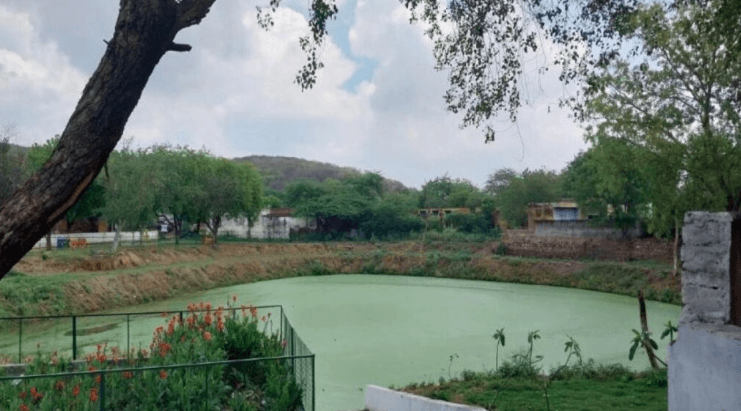
Biggest village in Haryana
Sisai, a rural settlement cluster in Hisar district consisting of two adjoining gram panchayats, is widely regarded as Haryana's biggest village. Together they house over 14,000 residents and command an agricultural footprint that rivals small districts in size.
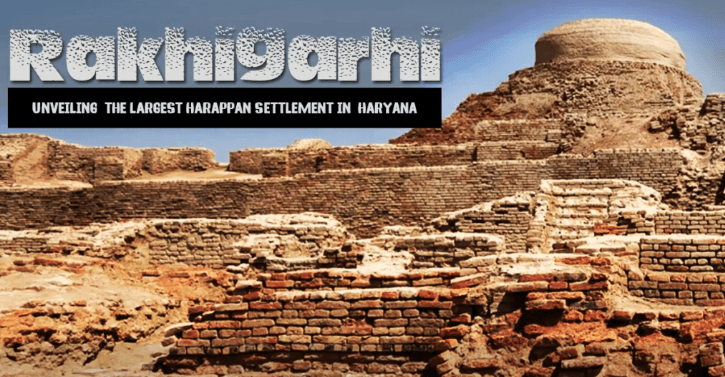
Oldest village in Haryana
In the fields of Rakhi Khas and Rakhi Shahpur, farmers move through ripening wheat and mustard crops, guiding cattle along dusty village paths much as their ancestors did generations ago.