Greenest City in India
Author : adminPublished : September 24, 2026
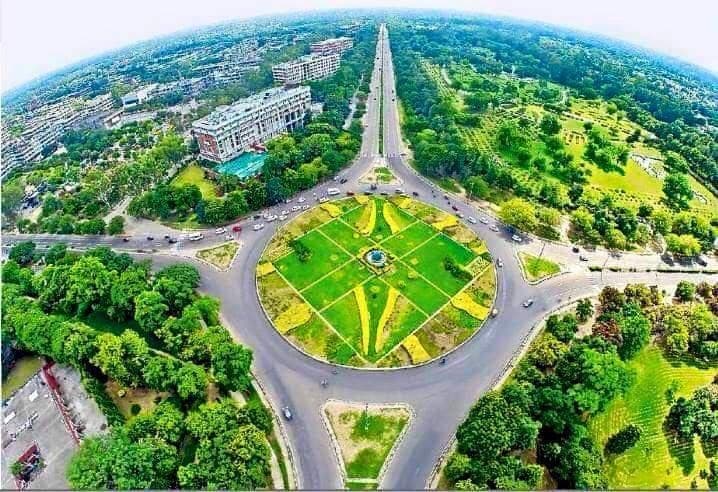
Chandigarh is widely associated with the “Green City” and “City Beautiful” identities because greenery is built into its urban design. The city was planned with parks, sector greens, open spaces, tree-lined roads and landscaped areas instead of treating greenery as an afterthought. The Chandigarh Administration says around 2,000 acres of the land acquired for the city’s first phase were intended for parks.
Today, the city combines beautiful gardens, mature trees, Sukhna Lake, Leisure Valley, forests and wildlife areas with modern architecture. This unusual balance gives Chandigarh a spacious and refreshing character.
🌳 A City Planned Around Greenery

Greenery was part of Chandigarh’s original planning philosophy. The idea of developing a Garden City was considered during the early planning of the new capital. Trees, gardens, green belts and open spaces were planned alongside residential and public areas.
The city’s famous sector system also helped distribute green spaces throughout different neighbourhoods. Instead of having greenery concentrated in just one location, Chandigarh has parks and landscaped areas across its sectors. Wide roads lined with trees further strengthen this impression.
This planned approach is one of the main reasons Chandigarh looks green even while functioning as a modern urban centre. The greenery is not limited to tourist attractions; it forms part of the everyday surroundings of residents.
🌊 Sukhna Lake – Chandigarh’s Natural Escape

Sukhna Lake is one of Chandigarh’s most recognisable landmarks. Located near the Shivalik Hills, this man-made lake provides an attractive combination of water, trees, walking areas and open skies. It is a popular place for morning walks, jogging, boating, photography and spending relaxed time outdoors.
The lake was conceived as an important recreational space and remains one of the city’s favourite places for enjoying nature.
Its surroundings become particularly pleasant during the early morning and evening. The peaceful water, greenery and distant hills create a landscape that feels far removed from the busy parts of the city.
For visitors, Sukhna Lake is more than a sightseeing stop. It is one of the best places to experience Chandigarh’s relaxed and green character.
🌿 Leisure Valley – The Green Spine

Leisure Valley is one of the most distinctive features of Chandigarh’s landscape. It stretches through the city as a long green corridor containing gardens, walking areas and open spaces. It was conceived by Le Corbusier as the “lungs of the city.”
Rather than being just one traditional park, Leisure Valley connects different green areas and creates a continuous natural presence within the urban environment. It gives residents places to walk, exercise and relax while also providing visual breaks between built-up areas.
The Chandigarh Master Plan identifies Leisure Valley as an important natural feature extending for around 8 kilometres.
Its long green stretches demonstrate how Chandigarh’s planners tried to make nature an integral part of city life.
🌹 Chandigarh – A City of Beautiful Gardens

Chandigarh has an impressive collection of gardens, making it especially attractive for people who enjoy flowers and landscaped spaces. The Zakir Hussain Rose Garden is among the city’s best-known green attractions and is located within the Leisure Valley area.
Other notable green spaces include Rajendra Park, Bougainvillea Park, Shanti Kunj, Hibiscus Garden, Garden of Fragrance, Botanical Garden, Smriti Upavan, Topiary Garden and Terraced Garden.
Each garden has its own character. Some focus on colourful flowers, others on landscaping, fragrance or botanical diversity. These spaces provide peaceful places for morning walks, photography, family outings and relaxation.
The large number of gardens means that Chandigarh’s green identity is not dependent on a single attraction. The gardens are spread across the city, making greenery part of everyday life.
🌺 More Than Just One Shade of Green

One of Chandigarh’s biggest attractions is the variety of its green spaces. A visitor can move from a formal flower garden to a quiet tree-lined park, then explore a botanical landscape or a forest area.
The city’s official information lists numerous gardens and parks, while its heritage planning documents identify Sukhna Lake, Leisure Valley, protected forests, forest areas and the Sukhna Wildlife Sanctuary among its important natural features.
This combination gives Chandigarh a richer environmental character than a city consisting only of manicured lawns. There are landscaped spaces for recreation as well as more natural areas supporting biodiversity.
For travellers, this variety also means there is something different to explore in every season. Flowers, mature trees, lakes and forest landscapes create constantly changing views.
🦚 Forests, Birds and Wildlife

Chandigarh’s green landscape also provides space for wildlife and birds. The Sukhna Wildlife Sanctuary and surrounding forest areas form an important part of the city’s ecological environment.
According to the Chandigarh Administration, its forest areas help conserve soil and moisture in the Sukhna Lake catchment and support wildlife habitat. The city also has recreational nature spaces such as Nagar Van, Shivalik Arboretum, Butterfly Park, Peacock Park and City Bird Sanctuary.
These areas show that Chandigarh’s greenery is not limited to decorative landscaping. Forests and natural habitats provide a different kind of experience, allowing visitors to enjoy quieter surroundings and observe birds and other wildlife.
For nature lovers, this side of Chandigarh can be just as interesting as its famous gardens and architecture.
🌱 Botanical Garden – Nature and Learning

The Botanical Garden adds an educational side to Chandigarh’s green landscape. It offers visitors an opportunity to explore plants, walking paths and water bodies in a spacious natural setting.
The Chandigarh Administration says the garden has a 5-kilometre cycle track and around 6 kilometres of pathways. It also includes water bodies designed to harvest rainwater and function as percolation tanks.
This makes the garden useful for more than sightseeing. Visitors can walk, cycle, observe plants and enjoy the peaceful surroundings. The combination of greenery and water also creates an attractive environment for photography.
For Chandigarh, spaces like this demonstrate how a modern city can combine recreation, environmental awareness and landscape planning in one place.
🏙️ Greenery Meets Modern Architecture

Chandigarh is famous for its modernist architecture, but its buildings become even more distinctive because of their relationship with greenery. Wide open spaces, mature trees and landscaped areas surround many important architectural landmarks.
The city’s heritage plan identifies the Shivalik Hills, Sukhna Lake, Leisure Valley and forest areas as significant natural features. It also emphasises preserving important views towards the hills.
This combination of architecture and landscape gives Chandigarh a unique visual identity. Concrete structures, open plazas, trees and gardens appear together rather than existing as separate attractions.
Visitors interested in architecture can therefore enjoy a completely different experience by paying attention to the landscape surrounding the buildings.
📸 Best Things to Do in Chandigarh

Chandigarh is best explored at a relaxed pace. Start the day with a walk beside Sukhna Lake, visit the Rose Garden and then explore one or two sections of Leisure Valley. If you enjoy nature, add the Botanical Garden or one of the city’s other themed gardens to your itinerary.
You can also combine Chandigarh’s green attractions with its famous modern architecture, including the Capitol Complex and Open Hand Monument. Cycling and walking are particularly enjoyable ways to experience the city’s tree-lined sectors.
🌿 Must-Experience
- 🌊 Sukhna Lake
- 🌹 Zakir Hussain Rose Garden
- 🌿 Leisure Valley
- 🌱 Botanical Garden
- 🦚 Wildlife and nature areas
- 🏛️ Capitol Complex
- 🚲 Cycling through green sectors
- 📸 Photography along tree-lined roads
💚 Why Is Chandigarh Called a Green City?
There is no single universally accepted national ranking that officially declares Chandigarh the “greenest city in India.” The description is better understood as a popular identity supported by the city’s extensive green infrastructure.
Chandigarh’s official environmental management plan reports 63.03 sq km of green cover, equivalent to 50.05% of the Union Territory’s total area, while also recording extensive forest areas and numerous parks.
What makes Chandigarh particularly notable is that this greenery is not concentrated in one location. It appears across roads, sectors, gardens, forests, Leisure Valley and the Sukhna Lake landscape.
In simple words, Chandigarh is green not because it has one giant park, but because green spaces are woven throughout the city.
🌿 Final Thoughts
Chandigarh is a city where greenery and urban planning have grown together. Its tree-lined avenues, beautiful gardens, Leisure Valley, Sukhna Lake, forests and open spaces create an environment that feels spacious and refreshing.
The city’s green character was part of its planning from the beginning, and decades later, those ideas remain visible across its neighbourhoods and public spaces. From a peaceful morning at Sukhna Lake to an evening surrounded by flowers, Chandigarh offers many ways to experience nature without leaving the city.
🌱 Chandigarh – Where the City Breathes Through Its Trees, Gardens and Open Spaces.
Latest Post
 Greenest City in India
9/24/2026
 Vegetarian City in India
9/23/2026
 Floating City in India: Srinagar
9/22/2026
 Dry City in India
9/21/2026
 Pink City of India
9/20/2026