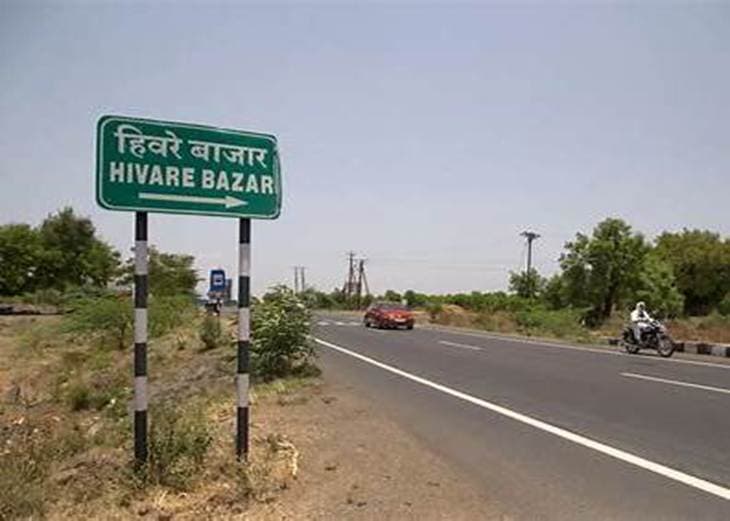
The Richest Village of Maharashtra
Author : adminPublished : January 13, 2026
Hiware Bazar, a village in Ahmednagar district of Maharashtra, is widely known as the richest village in the state and one of the wealthiest villages in India. What makes Hiware Bazar exceptional is not that it always had wealth, but that it transformed itself from a drought-stricken, poverty-ridden settlement into a thriving, prosperous model of rural development. Its success is rooted in collective planning, community action, sustainable agriculture, and financial discipline, creating a story of inspiration for villages across India.

What makes this village truly rich is not only the rising income levels but also the quality of life, education, infrastructure, and social progress that villagers enjoy today.
| population of Maharashtra | literacy rate of Maharashtra | sex ratio of Maharashtra |

Location and Geographical Features

- Hiware Bazar is located in the dry, arid region of Ahmednagar district in Maharashtra. The area receives very low rainfall, especially compared to other parts of the state, and historically suffered from water scarcity and drought conditions.
- Despite being in a region not suited for heavy agriculture due to limited rainfall, the village adopted smart water conservation techniques, rainwater harvesting, and sustainable farming methods that changed its geographical challenges into strengths.
- These changes enabled the land to become fertile and productive, supporting not just basic survival but thriving agriculture and economic activities.
Historical Background

- Decades ago, Hiware Bazar was a village faced with severe drought, topsoil loss, unemployment, and migration of villagers to cities. Water scarcity was so intense that residents struggled for drinking water, and farming was nearly impossible. Many young people left in search of jobs elsewhere.
- Things began to change in the late 1980s and early 1990s, when Popatrao Baguji Pawar, a young and visionary leader, became the sarpanch (village head). He inspired the villagers to take collective action for water conservation, soil improvement, and community welfare. This marked the beginning of a remarkable transformation.
Population and Community Life

- Today, Hiware Bazar has around 300 households, and nearly 80 of them are considered millionaires, meaning they earn more than ₹10 lakh per year — a rare achievement for a rural village.
- The villagers share a strong sense of unity and cooperation. Community participation is a key reason behind the village’s success. Decisions are often made collectively, and people willingly contribute their labor (called shramdaan) toward public works like building water storage structures, roads, and community facilities. This strengthens social bonds and creates an environment of shared responsibility.
Main Sources of Income
The people of Hiware Bazar have developed multiple income sources that together contribute to its prosperity:

- Agriculture: After improving water availability, farming became profitable. The villagers now grow less water-intensive crops, vegetables, and fruits.
- Dairy Farming: Raising cows and buffaloes for milk production brings in steady income.
- Small Businesses: Local services, equipment supply, and small enterprises also add to household earnings.
This combination of income sources has helped families increase their annual earnings significantly and eliminated extreme poverty in the village.
Factors behind the prosperity of Hivare Bazar -:
- Role of Agriculture in Prosperity
- Industrial and Business Activities
- Banking and Financial Strength
- Education and Literacy Rate
- Healthcare and Medical Facilities
- Infrastructure Development
- Role of Local Leadership and Governance
- Women Empowerment and Self-Help Groups
- Social Welfare and Community Projects
Role of Agriculture in Prosperity
- Agriculture once struggled due to lack of water, but with effective rainwater harvesting and watershed management, crops now flourish. Villagers stopped planting water-intensive crops like sugarcane and cotton. Instead, they grow millets, pulses, vegetables, and fruits that use less water and bring higher profits.
- Around 294 water wells and other water storage structures were constructed to capture rainwater and recharge groundwater, significantly improving farming conditions.
These techniques helped reverse soil degradation and allowed agriculture to become more reliable and profitable.

Industrial and Business Activities
- While Hiware Bazar does not have large industrial factories, it benefits from local agribusiness and entrepreneurial ventures. Some villagers run small dairy units, supply agricultural tools, and provide local services that support both farming and villagers’ livelihoods.
These activities not only generate income for families but also reduce the need for villagers to migrate to cities for work.
Banking and Financial Strength
- Hiware Bazar is known for its strong financial habits. Most families maintain bank accounts and save regularly, which was uncommon in rural areas in the past.
- Knowledge about banking and disciplined saving habits helped convert income into long-term wealth.
- With good savings and financial planning, villagers invested in better houses, education, and modern farming methods.
Education and Literacy Rate
- Education has played a key role in the village’s development. Hiware Bazar has a well-functioning school system, and many students have gone on to pursue higher education in engineering, teaching, and other fields.
- The focus on literacy and education helped villagers adopt better farming methods and business ideas, contributing to improved quality of life.
Healthcare and Medical Facilities
- Healthcare and hygiene also improved significantly. Today, every home has access to clean water, sanitation, and basic medical care, which was rare earlier.
- Villagers work together to keep the village clean, which has reduced common diseases. Good health supports productivity and overall well-being.
Infrastructure Development
- Hiware Bazar has good roads, electricity, and housing compared to many other rural areas. Every household has electricity and a toilet, and the village has improved street planning and public facilities.
- These infrastructure benefits boosted the residents’ comfort and helped attract more residents to return from cities — reversing migration.
Role of Local Leadership and Governance
- The transformation of Hiware Bazar started with strong local leadership and community participation.
- The sarpanch and gram sabha (village council) played strategic roles in planning and implementing development programs.
- Programs like water management, farming rules, health improvements, and social discipline were supported by strong governance and transparency.
Women Empowerment and Self-Help Groups
- Women in the village have become an active part of the economic growth. Self-help groups (SHGs) help women manage savings and start small businesses.
- Women’s involvement in social work and income-generating activities has increased household incomes and strengthened families.
Social Welfare and Community Projects
- The village places emphasis on clean, green, and sustainable living. Villagers plant trees, avoid open defecation, ban gambling, alcohol, and tobacco, and maintain community spaces with discipline and care.
- Due to such efforts, Hiware Bazar is one of the cleanest and most organized villages in India.
Comparison with Other Villages
Hiware Bazar stands out from many surrounding villages because it prioritized resource management, education, and social unity. While other villages struggled with drought and poverty, Hiware Bazar developed systems that ensured steady growth.
Today, its success inspires government programs and other villages to replicate similar development models.
Challenges Faced by the Village
Despite its success, Hiware Bazar still faces challenges such as
- continued climate variability,
- managing natural resources sustainably,
- ensuring long-term economic opportunities for young people.
The village must keep innovating to maintain prosperity in the future.
Future Plans and Vision
- The villagers want to continue improving education, economic opportunities, and technology access.
- They aim to enhance agri-technology and renewable energy projects, ensuring overall sustainable development that can benefit future generations.
Lessons for Other Villages in India
Hiware Bazar shows that unity, planning, water conservation, education, and financial discipline can change the future of rural India. Other villages can adopt similar methods to improve their own economic growth and community life.
Impact on Maharashtra’s Economy
The success of Hiware Bazar has drawn state and national recognition as a model village. It contributes to regional productivity and rural confidence while encouraging policymakers to invest in rural development programs inspired by its success.
Conclusion
Hiware Bazar is a shining example of how a village once plagued by drought and poverty became prosperous and self-sufficient. With determination, teamwork, and innovation, the villagers overcame challenges and created a new model of rural success. Their inspiring journey teaches that with the right strategies and collaboration, even the toughest obstacles can be transformed into opportunities — truly making Hiware Bazar the richest village of Maharashtra.
Latest Post
 City Of Peace In India
9/14/2026
 Highest Tax Paying City In India
9/13/2026
 City Of Light In India
9/12/2026
 City Of Hills In India
9/11/2026
 City of Gods in India
9/10/2026