The City of Skyscrapers in India
Author : adminPublished : October 17, 2026
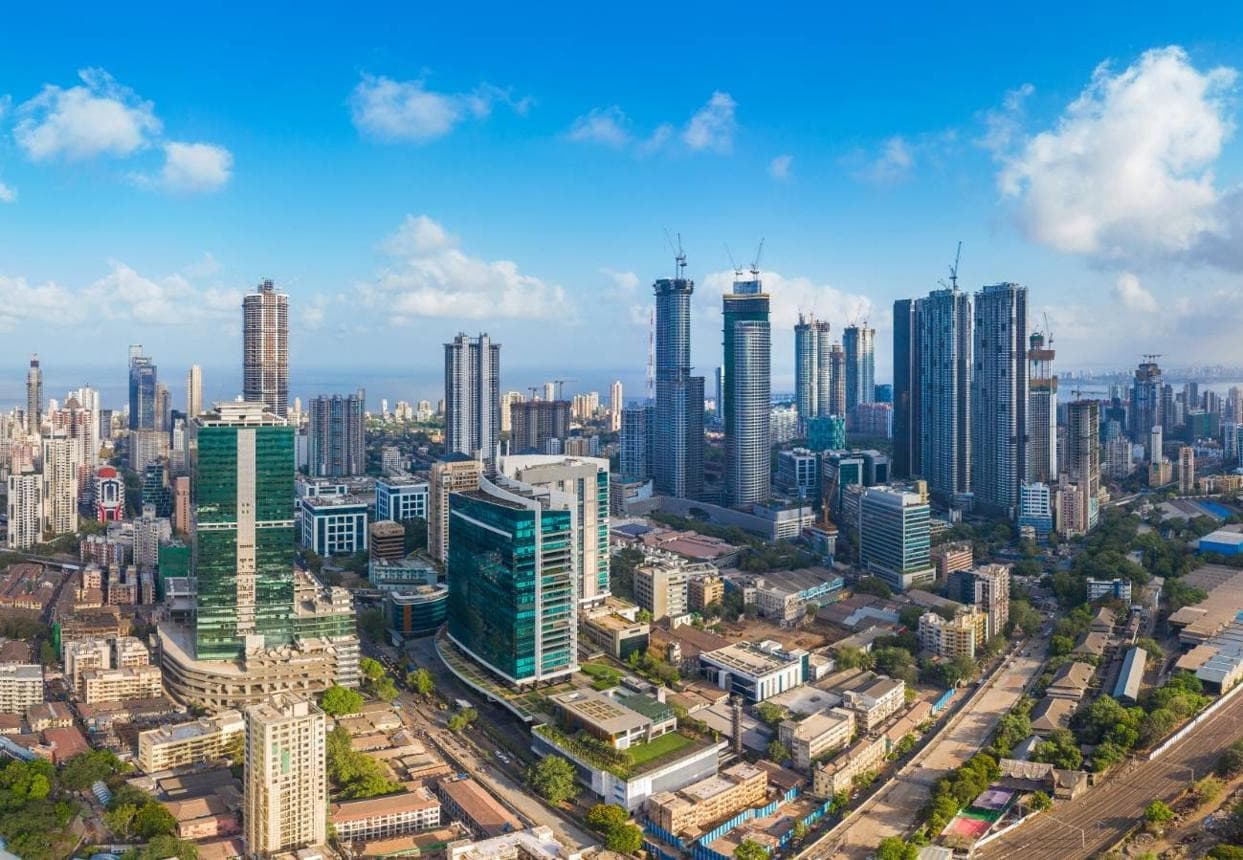
Mumbai, the capital of Maharashtra, is one of India’s most dynamic metropolitan cities and a major centre of finance, commerce, entertainment and modern architecture. Located along the Arabian Sea, the city is famous for its striking skyline, towering residential buildings, glass-fronted office complexes and impressive high-rise developments.
Often regarded as India’s leading skyscraper city, Mumbai combines modern architectural achievements with historic landmarks, colonial-era buildings and vibrant coastal scenery. Its skyline reflects the city’s economic growth, growing urban population and ambition to build vertically in a geographically constrained coastal region.
From the towering residential developments of Lower Parel and Worli to the modern commercial district of Bandra-Kurla Complex, Mumbai offers a fascinating look at India’s changing urban landscape.
1. Why Mumbai Is Called the City of Skyscrapers

Mumbai, the financial capital of India, is renowned for its impressive skyline, modern architecture and rapidly growing high-rise developments. The city’s limited land availability, growing population and economic importance have encouraged vertical construction, transforming its urban landscape over the years.
From premium residential towers in Worli to corporate buildings in Bandra-Kurla Complex, Mumbai showcases the changing face of modern India. Its skyscrapers stand alongside historic Art Deco buildings, Victorian landmarks and the beautiful coastline of the Arabian Sea.
- Impressive Skyline: Home to some of India’s tallest residential and commercial buildings.
- Financial Hub: High-rise offices reflect Mumbai’s importance as a major financial and business centre.
- Luxury Living: Features premium residential towers with modern amenities and panoramic city views.
- Urban Transformation: Former industrial and textile mill areas have evolved into modern commercial and residential districts.
- Architectural Diversity: Glass skyscrapers stand alongside historic Art Deco buildings and Victorian landmarks.
- Coastal Views: Many high-rise developments offer striking views of the Arabian Sea and Mumbai’s bustling waterfront.
2. World One – A Landmark in Mumbai’s Skyline

World One is one of Mumbai’s best-known luxury residential skyscrapers, recognised for its remarkable height and contemporary design. Located in Lower Parel, the tower represents the transformation of Mumbai’s former industrial neighbourhoods into modern residential destinations.
Its sleek structure contributes to the city’s expanding skyline, while its elevated position offers views across the surrounding urban landscape. World One reflects the growing demand for premium apartments, modern amenities and high-rise living in one of India’s most densely populated cities.
- Iconic Tower: Recognised as one of Mumbai’s prominent luxury residential skyscrapers.
- Contemporary Design: Features modern architecture that contributes to the city’s evolving skyline.
- Premium Residences: Designed to accommodate upscale urban living.
- Elevated Views: Offers expansive views of the surrounding cityscape.
- Vertical Living: Demonstrates how residential development is expanding upwards.
- Modern Landmark: Represents Mumbai’s ambition to create internationally recognisable buildings.
3. Lokhandwala Minerva – A Tower Above the City

Lokhandwala Minerva is a prominent supertall residential development in Mumbai, known for its exceptional height and slender architectural form. Situated in the Mahalaxmi area, the tower is an important example of the city’s continuing interest in ambitious high-rise construction.
The building contributes to Mumbai’s distinctive skyline and reflects advances in modern engineering. Its elevated residences provide views across the city, illustrating how tall buildings have become an important part of contemporary urban development.
- Striking Height: Stands among Mumbai’s tallest residential developments.
- Distinctive Structure: Its slender form creates a dramatic presence in the skyline.
- Luxury Apartments: Represents premium residential development in Mumbai.
- Panoramic Views: Its elevated position provides sweeping views of the urban landscape.
- Modern Engineering: Demonstrates advances in high-rise construction and structural design.
- Urban Landmark: Highlights Mumbai’s growing vertical residential architecture.
4. Bandra-Kurla Complex – Mumbai’s Modern Business District

Bandra-Kurla Complex, popularly known as BKC, is one of Mumbai’s leading commercial and financial districts. Developed to accommodate major businesses and corporate institutions, it has become an important destination for financial services, multinational companies and professional organisations.
The district features modern office buildings, landscaped spaces and organised commercial infrastructure. Its contemporary skyline reflects Mumbai’s transition towards planned business centres that support the city’s expanding economy.
- Financial Centre: Serves as a major hub for business and financial activities.
- Corporate Offices: Houses offices of leading companies and financial institutions.
- Modern Architecture: Features contemporary office towers and glass-fronted buildings.
- Business Connectivity: Connects important commercial areas of Mumbai.
- Planned Development: Demonstrates the growth of organised business districts.
- Economic Importance: Strengthens Mumbai’s position as one of India’s leading financial centres.
5. Lower Parel – From Textile Mills to Modern Towers

Lower Parel offers a fascinating example of Mumbai’s urban transformation. Once known for its textile mills and industrial establishments, the neighbourhood has evolved into a prominent destination for modern offices, residential towers, shopping centres and restaurants.
The area’s changing skyline reflects the shift from traditional manufacturing towards finance, services and contemporary urban lifestyles. Its modern buildings stand alongside traces of its industrial past, creating a distinctive contrast between old Mumbai and the rapidly developing city.
- Industrial Heritage: Historically associated with Mumbai’s textile mills.
- Urban Reinvention: Former industrial areas have developed into modern commercial and residential spaces.
- High-Rise Living: Features luxury apartments and contemporary residential towers.
- Business and Retail: Offers offices, shopping destinations and dining options.
- Architectural Contrast: Combines modern skyscrapers with remnants of industrial architecture.
- Changing Mumbai: Reflects the city’s transition towards services, commerce and lifestyle-oriented development.
6. Worli – Luxury Towers Along the Coast
Worli is one of Mumbai’s prominent high-rise neighbourhoods, known for its luxury residences, modern architecture and strategic coastal location. Its skyline includes impressive residential towers that have transformed the area into a symbol of contemporary urban living.
The neighbourhood’s proximity to the Arabian Sea and the Bandra-Worli Sea Link adds to its visual appeal. Worli also enjoys connectivity with several commercial and residential districts, making it an important part of Mumbai’s expanding metropolitan landscape.
- Premium Address: Known for upscale residential developments and prestigious properties.
- Coastal Setting: Many towers benefit from proximity to the Arabian Sea.
- Modern Architecture: Features high-rise buildings that create a distinctive skyline.
- Sea-Link Views: Selected locations offer views of the Bandra-Worli Sea Link.
- Urban Connectivity: Connects important residential and commercial neighbourhoods.
- Luxury Lifestyle: Combines modern housing with premium amenities and urban conveniences.
7. Nariman Point – Mumbai’s Iconic Commercial Skyline

Nariman Point is one of Mumbai’s historic business districts, recognised for its commercial buildings and striking location beside the Arabian Sea. For decades, it has been associated with corporate offices, financial services and major business establishments.
Its towers form an important part of South Mumbai’s skyline, while the nearby Marine Drive creates a memorable combination of urban architecture and coastal scenery. Although newer business districts have grown across the city, Nariman Point remains an important symbol of Mumbai’s commercial history.
- Historic Business District: Long associated with Mumbai’s corporate and financial activities.
- Sea-Facing Offices: Features buildings overlooking the Arabian Sea.
- Recognisable Skyline: Remains an important part of Mumbai’s urban identity.
- Corporate Presence: Has hosted major companies and professional organisations.
- Waterfront Setting: Benefits from its proximity to Marine Drive and the coastline.
- Business Legacy: Represents an important chapter in the development of modern Mumbai.
8. Three Sixty West – Contemporary Luxury Architecture

Three Sixty West is a prominent luxury development in Worli that contributes to Mumbai’s contemporary skyline. Its striking high-rise design reflects the growing popularity of premium residential developments in well-connected parts of the city.
The project represents the increasing emphasis on sophisticated architecture, exclusive residences and elevated urban living. Its location in one of Mumbai’s prominent coastal neighbourhoods adds to its architectural presence and its association with luxury real estate.
- Distinctive Development: Recognised as a prominent luxury high-rise project in Worli.
- Modern Design: Adds to Mumbai’s contemporary architectural landscape.
- Premium Residences: Associated with high-end residential living.
- Elevated Views: Its location and height offer views of the surrounding urban environment.
- Urban Prestige: Reflects demand for exclusive homes in well-connected neighbourhoods.
- Architectural Ambition: Demonstrates the scale of Mumbai’s newer high-rise developments.
9. The Imperial Towers – Twin Icons of Mumbai

The Imperial Towers are among Mumbai’s recognisable twin residential skyscrapers. Their tall structures and coordinated design have made them an established feature of the city’s high-rise landscape.
Located in South Mumbai, the towers reflect the development of premium residential architecture and the growing demand for vertical housing. Their presence illustrates how landmark residential projects have contributed to Mumbai’s transformation into a city defined by increasingly ambitious buildings.
- Twin-Tower Design: Features two prominent residential skyscrapers.
- Landmark Presence: Their height makes them a recognisable part of Mumbai’s skyline.
- Luxury Housing: Associated with premium apartments and upscale urban living.
- Architectural Identity: Their coordinated structures create a distinctive visual impression.
- City Views: Elevated residences offer views across surrounding neighbourhoods.
- High-Rise Milestone: Reflects the development of luxury skyscrapers in Mumbai.
10. Mumbai’s Changing Skyline

Mumbai’s skyline continues to evolve as new residential towers, commercial buildings and mixed-use developments reshape its urban landscape. The city’s limited land availability and economic significance have encouraged greater use of vertical construction, particularly in established residential and business districts.
Former industrial neighbourhoods have experienced significant redevelopment, while new commercial centres have emerged to support the city’s growing economy. Despite these changes, Mumbai retains its historic architectural identity through its heritage buildings, Art Deco structures and Victorian landmarks.
- Rapid Vertical Growth: High-rise construction continues to reshape Mumbai’s urban profile.
- Redeveloped Neighbourhoods: Former industrial districts have evolved into residential and commercial centres.
- Modern Construction: Advances in engineering support increasingly ambitious buildings.
- Mixed-Use Development: Some projects combine homes, workplaces, retail and lifestyle amenities.
- Historic Contrast: Contemporary skyscrapers coexist with heritage architecture.
- Future-Focused City: The changing skyline reflects Mumbai’s continuing urban transformation.
Best Experiences for Exploring Mumbai’s Skyline

Exploring Mumbai’s skyline is an opportunity to experience the city’s architecture, coastline and urban energy. From the curved waterfront of Marine Drive to the impressive towers of Worli and BKC, different neighbourhoods offer varied perspectives on Mumbai’s development.
Visitors can enjoy scenic walks, photograph modern infrastructure and discover the contrast between the city’s historic districts and contemporary high-rise developments. The most rewarding experiences often come from exploring the skyline from publicly accessible waterfronts and designated viewpoints.
- Marine Drive Views: Enjoy Mumbai’s famous waterfront and its surrounding urban skyline.
- Bandra-Worli Sea Link: Admire one of the city’s most recognisable infrastructure landmarks.
- Worli Waterfront: Experience views of high-rise buildings beside the Arabian Sea.
- BKC Exploration: Discover contemporary office architecture in Mumbai’s business district.
- Lower Parel Visit: Observe the transformation of former industrial areas into modern neighbourhoods.
- Sunset Photography: Capture the city’s towers and coastline in changing evening light.
Best Time to Explore Mumbai
The best time to explore Mumbai’s skyline is generally from November to February, when temperatures are comparatively comfortable for outdoor sightseeing. The pleasant winter weather makes it easier to walk along the waterfront, explore different neighbourhoods and photograph the city’s architectural landmarks.
The monsoon season brings dramatic clouds and a distinctive atmosphere to the coastline, although heavy rainfall can affect outdoor plans. During the hotter months, visitors may prefer early mornings and evenings for sightseeing.
- Winter Weather: November to February generally offers comfortable conditions for sightseeing.
- Pleasant Evenings: Cooler evenings are ideal for waterfront walks and skyline viewing.
- Photography Opportunities: Clear weather can provide better visibility for architectural photography.
- Monsoon Atmosphere: June to September brings dramatic skies, though heavy rain may disrupt travel.
- Summer Considerations: March to May can be hot and humid, particularly during midday.
- Flexible Planning: Check local weather conditions before arranging outdoor activities.
Travel Tips for Visiting Mumbai’s Skyscraper Districts
Mumbai’s major skyscraper districts are spread across different parts of the city, so planning your route can make sightseeing more convenient. Areas such as Worli, Lower Parel and BKC can be explored in combinations depending on your starting point and available time.
Public transport, taxis and app-based cabs provide ways to move around the city, although traffic can be heavy during peak hours. Visitors should also remember that many skyscrapers are private residential or commercial properties and do not permit unrestricted public access.
- Plan Your Route: Group nearby areas to reduce travel time.
- Use Public Transport: Consider local trains, Metro services, buses and other transport options.
- Check Building Access: Private residential towers and corporate offices may not be open to visitors.
- Choose Viewpoints Carefully: Use publicly accessible waterfronts and designated viewing areas.
- Allow Extra Time: Traffic congestion can lengthen journeys between districts.
- Respect Private Spaces: Follow security rules and obtain permission before photographing restricted areas.
Conclusion – Mumbai, India’s City of Skyscrapers
Mumbai’s skyscrapers represent much more than tall buildings. They reflect the city’s financial strength, growing population, changing lifestyles and continuing architectural transformation. From the luxury residential towers of Worli to the commercial buildings of BKC and the redeveloped neighbourhoods of Lower Parel, each district contributes to the city’s evolving identity.
What makes Mumbai distinctive is the contrast between its modern skyline, historic architecture and coastal setting. As the city continues to develop, its skyscrapers remain powerful symbols of ambition, opportunity and the dynamic character of urban India.
Latest Post
 The City of Skyscrapers in India
10/17/2026
 The City of Ghats in India
10/16/2026
 Private City in India
10/15/2026
 City of Culture in India
10/14/2026
 Silicon Valley City of India
10/13/2026
 Sponge Cities in India
10/12/2026
 Silent City in India
10/11/2026
 Romantic Cities in India
10/10/2026
 Sports Cities in India
10/9/2026
 French City in India
10/8/2026
 City of Mountains in India
10/7/2026
 French City in India
10/6/2026
 City of Forts in India
10/5/2026
 City of Pearls in India
10/4/2026
 City of Gates in India
10/3/2026