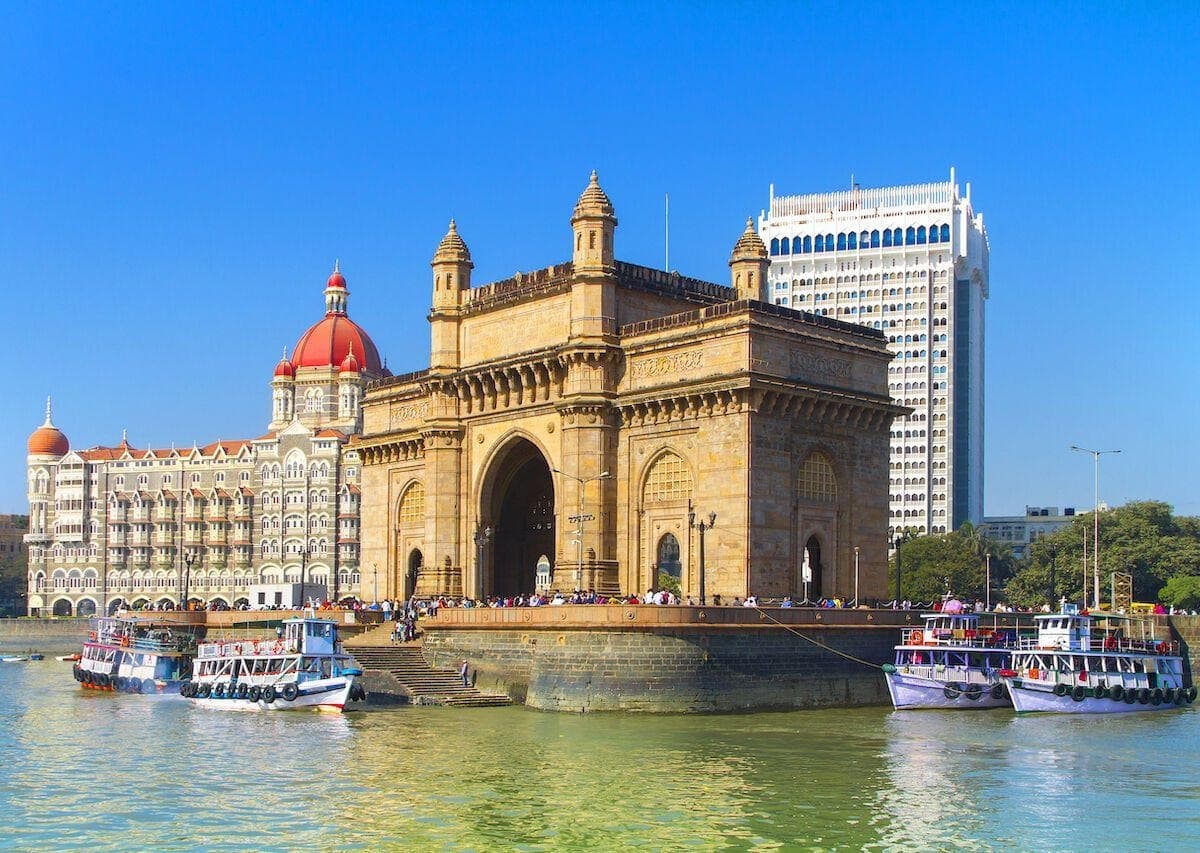
The City of Seven Islands in India
Author : adminPublished : October 24, 2026
Mumbai is famously known as the City of Seven Islands, a name that reflects its fascinating geographical history and remarkable transformation over the centuries.
Mumbai, Maharashtra, is one of India’s most famous metropolitan cities, celebrated for its financial markets, Bollywood film industry, historic landmarks and vibrant coastal culture. But centuries ago, the city looked very different. Before becoming the bustling metropolis we know today, Mumbai consisted of seven separate islands surrounded by the Arabian Sea and tidal creeks. Through land reclamation, causeways and major engineering projects, these islands were gradually connected, creating the foundation of modern Mumbai.
The seven original islands are commonly identified as Bombay Island, Colaba, Little Colaba (Old Woman’s Island), Mahim, Worli, Parel and Mazagaon. Their history is closely linked to fishing communities, maritime trade and the development of Mumbai as an important port under Portuguese and British rule. Today, the legacy of these islands remains an important part of the city’s identity and fascinating history.
From the famous Gateway of India to the historic neighbourhoods of Mahim and Mazagaon, Mumbai offers a unique combination of heritage, modern development and coastal beauty. Exploring the story of the seven islands reveals how geography, trade and human ingenuity transformed a group of islands into one of India’s most influential cities.
𝟭. 𝗕𝗼𝗺𝗯𝗮𝘆 𝗜𝘀𝗹𝗮𝗻𝗱 — 𝗧𝗵𝗲 𝗛𝗶𝘀𝘁𝗼𝗿𝗶𝗰 𝗛𝗲𝗮𝗿𝘁 𝗼𝗳 𝗠𝘂𝗺𝗯𝗮𝗶

Bombay Island was the principal island around which much of modern Mumbai developed. Its natural harbour and strategic coastal position made it an important location for maritime trade, shipping and administration. During British rule, the area around Bombay Fort became the centre of commercial activity and urban development. As the city expanded, reclamation projects gradually connected the island with neighbouring landmasses, helping create the larger city we see today.
- 𝗛𝗶𝘀𝘁𝗼𝗿𝗶𝗰 𝗖𝗲𝗻𝘁𝗿𝗲: The main island around which colonial Bombay developed.
- 𝗡𝗮𝘁𝘂𝗿𝗮𝗹 𝗛𝗮𝗿𝗯𝗼𝘂𝗿: Supported maritime trade and shipping.
- 𝗕𝗼𝗺𝗯𝗮𝘆 𝗙𝗼𝗿𝘁: An important centre of early British administration.
- 𝗛𝗲𝗿𝗶𝘁𝗮𝗴𝗲 𝗕𝘂𝗶𝗹𝗱𝗶𝗻𝗴𝘀: Features historic architecture and commercial landmarks.
- 𝗨𝗿𝗯𝗮𝗻 𝗚𝗿𝗼𝘄𝘁𝗵: Benefited from transport and land reclamation projects.
- 𝗠𝗼𝗱𝗲𝗿𝗻 𝗜𝗱𝗲𝗻𝘁𝗶𝘁𝘆: Forms part of Mumbai’s historic and commercial core.
𝗕𝗲𝘀𝘁 𝗙𝗼𝗿: History • Heritage Architecture • Maritime Trade • Sightseeing
𝟮. 𝗖𝗼𝗹𝗮𝗯𝗮 — 𝗧𝗵𝗲 𝗖𝗼𝗮𝘀𝘁𝗮𝗹 𝗛𝗲𝗿𝗶𝘁𝗮𝗴𝗲 𝗗𝗶𝘀𝘁𝗿𝗶𝗰𝘁

Colaba was one of the southernmost islands of the original Bombay group. Its coastal location eventually became part of a lively neighbourhood associated with tourism, shopping, historic buildings and waterfront attractions. Today, Colaba is best known for the Gateway of India, the Taj Mahal Palace hotel and Colaba Causeway market. Its streets reflect Mumbai’s diverse cultural history and its longstanding connection with international visitors and maritime activity.
- 𝗚𝗮𝘁𝗲𝘄𝗮𝘆 𝗼𝗳 𝗜𝗻𝗱𝗶𝗮: One of Mumbai’s most recognisable landmarks.
- 𝗛𝗶𝘀𝘁𝗼𝗿𝗶𝗰 𝗛𝗼𝘁𝗲𝗹𝘀: Features renowned heritage hospitality.
- 𝗖𝗼𝗹𝗮𝗯𝗮 𝗖𝗮𝘂𝘀𝗲𝘄𝗮𝘆: Popular for shopping, cafés and street markets.
- 𝗖𝗼𝗮𝘀𝘁𝗮𝗹 𝗟𝗼𝗰𝗮𝘁𝗶𝗼𝗻: Offers views of Mumbai Harbour and the Arabian Sea.
- 𝗧𝗼𝘂𝗿𝗶𝘀𝗺: Attracts visitors interested in architecture and culture.
- 𝗖𝗼𝘀𝗺𝗼𝗽𝗼𝗹𝗶𝘁𝗮𝗻 𝗔𝘁𝗺𝗼𝘀𝗽𝗵𝗲𝗿𝗲: Combines historic streets with contemporary city life.
𝗕𝗲𝘀𝘁 𝗙𝗼𝗿: Sightseeing • Shopping • Heritage Hotels • Photography
𝟯. 𝗟𝗶𝘁𝘁𝗹𝗲 𝗖𝗼𝗹𝗮𝗯𝗮 — 𝗧𝗵𝗲 𝗢𝗹𝗱 𝗪𝗼𝗺𝗮𝗻’𝘀 𝗜𝘀𝗹𝗮𝗻𝗱

Little Colaba, commonly known as Old Woman’s Island, was a small island situated near Colaba and Bombay Island. Although it is less widely recognised today as a separate geographical feature, it played a part in the historic landscape of the Bombay archipelago. Over time, coastal connections and land reclamation removed the separation between these areas. Its history illustrates how even small islands contributed to the formation of Mumbai’s present-day geography.
- 𝗛𝗶𝘀𝘁𝗼𝗿𝗶𝗰 𝗡𝗮𝗺𝗲: Also known as Old Woman’s Island.
- 𝗦𝗺𝗮𝗹𝗹 𝗜𝘀𝗹𝗮𝗻𝗱: Located close to Colaba and Bombay Island.
- 𝗖𝗼𝗮𝘀𝘁𝗮𝗹 𝗛𝗶𝘀𝘁𝗼𝗿𝘆: Formed part of the original island geography.
- 𝗟𝗮𝗻𝗱 𝗥𝗲𝗰𝗹𝗮𝗺𝗮𝘁𝗶𝗼𝗻: Gradually became connected with neighbouring areas.
- 𝗠𝗮𝗿𝗶𝘁𝗶𝗺𝗲 𝗦𝗲𝘁𝘁𝗶𝗻𝗴: Belonged to the historic harbour landscape.
- 𝗛𝗶𝘀𝘁𝗼𝗿𝗶𝗰𝗮𝗹 𝗩𝗮𝗹𝘂𝗲: Helps explain the geographical evolution of Mumbai.
𝗕𝗲𝘀𝘁 𝗙𝗼𝗿: Local History • Geography • Heritage Exploration • Coastal History
𝟰. 𝗠𝗮𝘇𝗮𝗴𝗮𝗼𝗻 — 𝗧𝗵𝗲 𝗛𝗮𝗿𝗯𝗼𝘂𝗿 𝗜𝘀𝗹𝗮𝗻𝗱

Mazagaon was an island to the east of Bombay Island and was historically associated with Koli fishing settlements. Its location near the harbour and waterways made it an important part of the region’s maritime landscape. As Bombay grew into a major port, the surrounding areas became increasingly connected with docks, shipping and commercial activity. Modern Mazagaon combines residential neighbourhoods with the industrial and maritime character of eastern Mumbai.
- 𝗞𝗼𝗹𝗶 𝗛𝗲𝗿𝗶𝘁𝗮𝗴𝗲: Traditionally associated with fishing communities.
- 𝗛𝗮𝗿𝗯𝗼𝘂𝗿 𝗟𝗼𝗰𝗮𝘁𝗶𝗼𝗻: Situated near Mumbai’s eastern waterfront.
- 𝗠𝗮𝗿𝗶𝘁𝗶𝗺𝗲 𝗔𝗰𝘁𝗶𝘃𝗶𝘁𝘆: Connected with the city’s historic port development.
- 𝗗𝗼𝗰𝗸𝘀 𝗮𝗻𝗱 𝗦𝗵𝗶𝗽𝗽𝗶𝗻𝗴: The wider area supports important port-related activities.
- 𝗨𝗿𝗯𝗮𝗻 𝗘𝘃𝗼𝗹𝘂𝘁𝗶𝗼𝗻: Changed from a separate island into part of a continuous urban area.
- 𝗟𝗼𝗰𝗮𝗹 𝗖𝘂𝗹𝘁𝘂𝗿𝗲: Retains connections with Mumbai’s coastal identity.
𝗕𝗲𝘀𝘁 𝗙𝗼𝗿: Maritime History • Port Heritage • Local Culture • Urban History
𝟱. 𝗪𝗼𝗿𝗹𝗶 — 𝗧𝗵𝗲 𝗜𝘀𝗹𝗮𝗻𝗱 𝗼𝗳 𝗖𝗼𝗮𝘀𝘁𝗮𝗹 𝗛𝗲𝗿𝗶𝘁𝗮𝗴𝗲

Worli was once separated from Bombay Island by tidal waters known historically as the Great Breach. Its coastal location supported fishing communities and provided a distinctive setting along the Arabian Sea. Today, Worli is known for its historic fort, traditional fishing settlement, modern residential towers and the impressive Bandra–Worli Sea Link. The neighbourhood demonstrates how Mumbai’s coastal heritage and contemporary infrastructure coexist within the same landscape.
- 𝗪𝗼𝗿𝗹𝗶 𝗙𝗼𝗿𝘁: A historic coastal fort overlooking the sea.
- 𝗞𝗼𝗹𝗶𝘄𝗮𝗱𝗮: Reflects the traditional fishing culture of Mumbai.
- 𝗦𝗲𝗮 𝗟𝗶𝗻𝗸: The Bandra–Worli Sea Link is a major infrastructure landmark.
- 𝗔𝗿𝗮𝗯𝗶𝗮𝗻 𝗦𝗲𝗮: Offers striking coastal scenery and sea views.
- 𝗠𝗼𝗱𝗲𝗿𝗻 𝗦𝗸𝘆𝗹𝗶𝗻𝗲: Features contemporary residential and commercial development.
- 𝗖𝗼𝗮𝘀𝘁𝗮𝗹 𝗛𝗶𝘀𝘁𝗼𝗿𝘆: Represents the city’s transition from isolated islands to connected urban land.
𝗕𝗲𝘀𝘁 𝗙𝗼𝗿: Sea Views • Photography • Coastal Heritage • Modern Architecture
𝟲. 𝗣𝗮𝗿𝗲𝗹 — 𝗙𝗿𝗼𝗺 𝗧𝗲𝘅𝘁𝗶𝗹𝗲 𝗠𝗶𝗹𝗹𝘀 𝘁𝗼 𝗠𝗼𝗱𝗲𝗿𝗻 𝗠𝘂𝗺𝗯𝗮𝗶

Parel was one of the northern islands of the original Bombay group. Its history reflects Mumbai’s transformation from a landscape of villages and open land into an industrial and commercial centre. During the nineteenth and twentieth centuries, the wider Parel and central Mumbai area became strongly associated with textile mills, workers’ neighbourhoods and industrial employment. As manufacturing declined in many former mill districts, redevelopment introduced offices, residences, shopping destinations and modern commercial buildings.
- 𝗢𝗿𝗶𝗴𝗶𝗻𝗮𝗹 𝗜𝘀𝗹𝗮𝗻𝗱: Formed part of the historic northern island group.
- 𝗧𝗲𝘅𝘁𝗶𝗹𝗲 𝗠𝗶𝗹𝗹𝘀: Played an important role in Mumbai’s industrial development.
- 𝗪𝗼𝗿𝗸𝗶𝗻𝗴-𝗖𝗹𝗮𝘀𝘀 𝗛𝗶𝘀𝘁𝗼𝗿𝘆: Reflects the contribution of mill workers to the city.
- 𝗥𝗲𝗱𝗲𝘃𝗲𝗹𝗼𝗽𝗺𝗲𝗻𝘁: Former industrial sites have been transformed for new uses.
- 𝗖𝗼𝗺𝗺𝗲𝗿𝗰𝗶𝗮𝗹 𝗚𝗿𝗼𝘄𝘁𝗵: The wider area features offices and modern business facilities.
- 𝗨𝗿𝗯𝗮𝗻 𝗖𝗵𝗮𝗻𝗴𝗲: Illustrates the shift from industrial Mumbai to a service-based economy.
𝗕𝗲𝘀𝘁 𝗙𝗼𝗿: Industrial History • Architecture • Urban Development • Business Districts
𝟳. 𝗠𝗮𝗵𝗶𝗺 — 𝗧𝗵𝗲 𝗜𝘀𝗹𝗮𝗻𝗱 𝗼𝗳 𝗛𝗶𝘀𝘁𝗼𝗿𝘆 𝗮𝗻𝗱 𝗧𝗿𝗮𝗱𝗶𝘁𝗶𝗼𝗻

Mahim was situated in the northwestern part of the original island group. It has a rich history associated with regional rulers, historic settlements and the traditional Koli community. Mahim became an important settlement during the medieval period and is associated with the historic kingdom of Mahikavati. Today, Mahim is known for its fort, religious landmarks, busy neighbourhoods and creek. Its diverse cultural character makes it an important part of Mumbai’s historical and social landscape.
- 𝗠𝗲𝗱𝗶𝗲𝘃𝗮𝗹 𝗛𝗶𝘀𝘁𝗼𝗿𝘆: Associated with the historic settlement of Mahikavati.
- 𝗠𝗮𝗵𝗶𝗺 𝗙𝗼𝗿𝘁: A reminder of the area’s coastal past.
- 𝗞𝗼𝗹𝗶 𝗖𝗼𝗺𝗺𝘂𝗻𝗶𝘁𝘆: Traditional fishing culture remains part of the area’s heritage.
- 𝗠𝗮𝗵𝗶𝗺 𝗖𝗿𝗲𝗲𝗸: An important coastal waterway and mangrove habitat.
- 𝗥𝗲𝗹𝗶𝗴𝗶𝗼𝘂𝘀 𝗛𝗲𝗿𝗶𝘁𝗮𝗴𝗲: Features well-known places of worship and community traditions.
- 𝗨𝗿𝗯𝗮𝗻 𝗖𝗼𝗻𝗻𝗲𝗰𝘁𝗶𝗼𝗻𝘀: Links historic neighbourhoods with the wider Mumbai metropolitan area.
𝗕𝗲𝘀𝘁 𝗙𝗼𝗿: History • Cultural Heritage • Coastal Ecology • Local Exploration
𝗤𝘂𝗶𝗰𝗸 𝗙𝗮𝗰𝘁𝘀 𝗔𝗯𝗼𝘂𝘁 𝗠𝘂𝗺𝗯𝗮𝗶’𝘀 𝗦𝗲𝘃𝗲𝗻 𝗜𝘀𝗹𝗮𝗻𝗱𝘀
Mumbai’s history is closely connected with its original geography. The following facts explain how the seven islands contributed to the city’s growth and present-day identity.
- 𝗢𝗿𝗶𝗴𝗶𝗻𝗮𝗹 𝗦𝗲𝘃𝗲𝗻 𝗜𝘀𝗹𝗮𝗻𝗱𝘀: Bombay, Colaba, Old Woman’s Island, Mazagaon, Worli, Parel and Mahim.
- 𝗘𝗮𝗿𝗹𝘆 𝗜𝗻𝗵𝗮𝗯𝗶𝘁𝗮𝗻𝘁𝘀: The Koli fishing community was among the historic inhabitants of the islands.
- 𝗣𝗼𝗿𝘁𝘂𝗴𝘂𝗲𝘀𝗲 𝗥𝘂𝗹𝗲: The islands came under Portuguese control in the sixteenth century.
- 𝗕𝗿𝗶𝘁𝗶𝘀𝗵 𝗖𝗼𝗻𝗻𝗲𝗰𝘁𝗶𝗼𝗻: The islands passed to the English Crown as part of Catherine of Braganza’s marriage dowry in 1661.
- 𝗛𝗼𝗿𝗻𝗯𝘆 𝗩𝗲𝗹𝗹𝗮𝗿𝗱: A major reclamation initiative helped reshape the city’s geography.
- 𝗟𝗮𝗻𝗱 𝗥𝗲𝗰𝗹𝗮𝗺𝗮𝘁𝗶𝗼𝗻: Causeways, seawalls and reclaimed land gradually joined the islands.
- 𝗠𝗮𝗿𝗶𝘁𝗶𝗺𝗲 𝗚𝗿𝗼𝘄𝘁𝗵: The natural harbour helped Mumbai become a major port.
- 𝗠𝗼𝗱𝗲𝗿𝗻 𝗟𝗲𝗴𝗮𝗰𝘆: The original islands remain part of Mumbai’s historical and geographical identity.
𝗕𝗲𝘀𝘁 𝗧𝗶𝗺𝗲 𝘁𝗼 𝗘𝘅𝗽𝗹𝗼𝗿𝗲 𝗠𝘂𝗺𝗯𝗮𝗶

Mumbai can be explored throughout the year, but the cooler months are generally more comfortable for sightseeing, walking through heritage districts and enjoying the waterfront. The ideal time depends on the activities you want to experience.
- 𝗢𝗰𝘁𝗼𝗯𝗲𝗿 𝘁𝗼 𝗡𝗼𝘃𝗲𝗺𝗯𝗲𝗿: A good period for exploring historic neighbourhoods as the monsoon season retreats.
- 𝗗𝗲𝗰𝗲𝗺𝗯𝗲𝗿 𝘁𝗼 𝗙𝗲𝗯𝗿𝘂𝗮𝗿𝘆: Generally pleasant for sightseeing, heritage walks and coastal attractions.
- 𝗠𝗮𝗿𝗰𝗵 𝘁𝗼 𝗠𝗮𝘆: Warmer weather makes early-morning and evening outings preferable.
- 𝗝𝘂𝗻𝗲 𝘁𝗼 𝗦𝗲𝗽𝘁𝗲𝗺𝗯𝗲𝗿: The monsoon brings heavy rainfall and dramatic coastal scenery, but outdoor plans may be disrupted.
- 𝗛𝗲𝗿𝗶𝘁𝗮𝗴𝗲 𝗪𝗮𝗹𝗸𝘀: Visit Colaba and the historic Fort district during cooler parts of the day.
- 𝗖𝗼𝗮𝘀𝘁𝗮𝗹 𝗩𝗶𝗲𝘄𝘀: Choose clear-weather periods for photography and waterfront sightseeing.
- 𝗕𝗲𝗳𝗼𝗿𝗲 𝗬𝗼𝘂 𝗚𝗼: Check local weather, attraction timings and any restrictions on access to coastal sites.
𝗙𝗶𝗻𝗮𝗹 𝗧𝗵𝗼𝘂𝗴𝗵𝘁𝘀
Mumbai’s transformation from seven separate islands into a connected metropolis is one of India’s most fascinating stories of geography, engineering and urban development. Bombay Island became the historic centre of the city, Colaba developed into a renowned heritage and tourism district, Mazagaon maintained its connection with the harbour, Worli preserved its coastal character, Parel reflected the industrial age, and Mahim retained a rich cultural history. Little Colaba, meanwhile, reminds us of the smaller geographical features that formed the original island group.
Today, Mumbai is far more than a financial and entertainment capital. It is a city shaped by generations of fishing communities, traders, engineers, workers and migrants. Understanding the history of its seven islands helps explain how the city’s landscape evolved and why its coastline remains so important. The legacy of the seven islands continues to make Mumbai a remarkable example of how history and human ambition can shape a modern city.
Latest Post
 Kumbh City in India
10/25/2026
 The City of Seven Islands in India
10/24/2026
 Korean City of India
10/23/2026
 Snowfall Cities in India
10/22/2026
 City of Mangoes in India
10/21/2026
 Zero Waste Cities in India
10/20/2026
 Jain Temple City in India
10/19/2026

 The City of Skyscrapers in India
10/17/2026
 The City of Ghats in India
10/16/2026
 Private City in India
10/15/2026
 City of Culture in India
10/14/2026
 Silicon Valley City of India
10/13/2026
 Sponge Cities in India
10/12/2026
 Silent City in India
10/11/2026