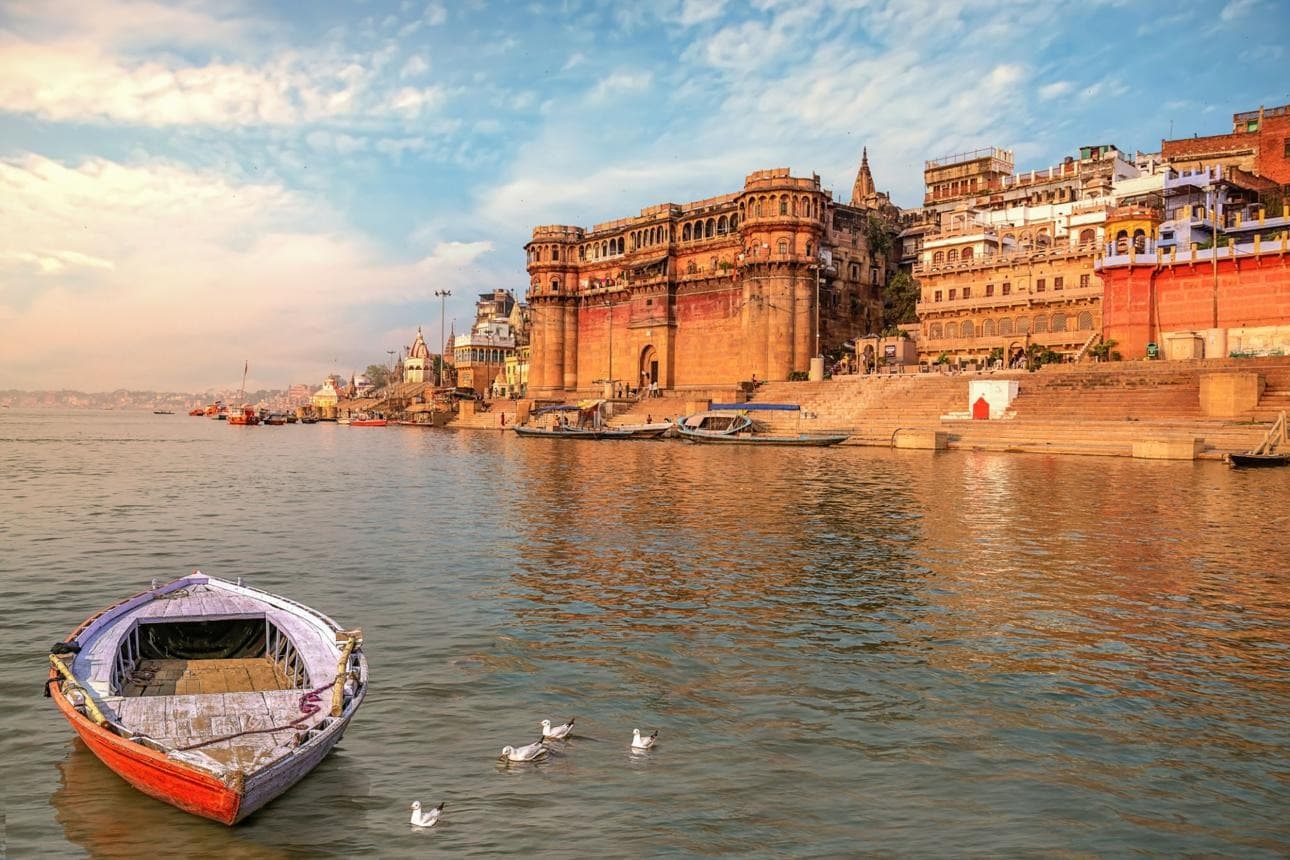
The City of Ghats in India
Author : adminPublished : October 16, 2026
Varanasi, also known as Kashi or Banaras, is one of India’s oldest and most culturally significant cities. Situated on the banks of the sacred River Ganga in Uttar Pradesh, the city is famous for its ancient temples, magnificent riverfront, traditional architecture and spiritual heritage.
The ghats of Varanasi are among its most remarkable attractions. Their historic stone staircases, grand palaces, intricate temples and beautiful riverside views reflect centuries of Indian culture and craftsmanship. From peaceful sunrises to the spectacular Ganga Aarti, every ghat offers a different experience.
Varanasi is not just a destination for pilgrims; it is also a fascinating place for history lovers, architecture enthusiasts, photographers and travellers who want to explore India’s cultural heritage.

1. Why Is Varanasi Called the City of Ghats?
A ghat is a series of steps leading down to a river or another body of water. Varanasi is famous for its numerous historic ghats along the Ganga, each with its own history, religious significance and architectural character.
Many ghats were developed or rebuilt under the patronage of Indian rulers, noble families and religious communities. Their broad staircases, historic shrines, palaces and temples create a distinctive riverfront landscape.
These ghats continue to serve as places for religious ceremonies, cultural gatherings and traditional activities. Together, they represent the enduring relationship between Varanasi, its people and the sacred river.

- Sacred Riverfront: Most ghats stretch along the holy River Ganga.
- Historical Heritage: Many ghats were built or renovated by Indian kings, queens and noble families.
- Religious Importance: Devotees visit for prayers, rituals, holy dips and other ceremonies.
- Unique Architecture: Discover ancient temples, shrines, palaces and impressive stone steps.
- Cultural Traditions: Experience festivals, spiritual gatherings and age-old customs.
- Timeless Beauty: The ghats offer beautiful views of the Ganga, especially at sunrise and sunset.
2. Dashashwamedh Ghat – The Grand Riverfront of Varanasi
Dashashwamedh Ghat is one of Varanasi’s most famous landmarks. Located near the Kashi Vishwanath Temple, it is known for its religious significance, traditional architecture and spectacular evening Ganga Aarti.
The ghat’s broad steps descend towards the river, while historic buildings and shrines create an impressive backdrop. During the evening ceremony, priests perform rituals using large brass lamps, accompanied by devotional chants and the sound of bells.

- Famous Ganga Aarti: Witness the grand evening ritual dedicated to River Ganga.
- Religious Importance: A sacred place where devotees gather for prayers and worship.
- Historic Significance: One of the most prominent and well-known ghats in Varanasi.
- Temple Proximity: Located near the revered Kashi Vishwanath Temple.
- Boat Rides: Enjoy scenic views of the ghat and the riverside from the Ganga.
- Cultural Experience: Observe traditional rituals, devotional chants and the spiritual atmosphere of Varanasi.
3. Assi Ghat – A Peaceful Riverside Retreat
Assi Ghat, situated towards the southern end of Varanasi’s main riverfront, is popular for its relaxed atmosphere and beautiful morning scenery. It is a wonderful place to experience the quieter side of the city.
Early in the morning, visitors gather for yoga, meditation, prayers and cultural programmes. The ghat’s traditional architecture, wide steps and open river views create an appealing setting for watching the sunrise.

- Beautiful Sunrises: Enjoy stunning morning views as the sun rises over the Ganga.
- Yoga and Meditation: Join peaceful yoga sessions and meditation activities by the river.
- Spiritual Atmosphere: Witness morning prayers, rituals and devotional gatherings.
- Cultural Programmes: Experience music, performances and other cultural events held at the ghat.
- Boat Rides: Admire Varanasi’s riverfront and neighbouring ghats from the water.
- Relaxed Ambience: Explore a quieter side of Varanasi, ideal for peaceful walks and reflection.
4. Manikarnika Ghat – An Ancient Centre of Sacred Traditions
Manikarnika Ghat is one of the most sacred cremation grounds in Hindu tradition. It is associated with beliefs about death, the soul and moksha, or liberation from the cycle of rebirth.
According to traditional legends, the ghat’s name is connected with Goddess Parvati’s earring. The historic shrines, traditional buildings and stone steps form an important part of Varanasi’s spiritual landscape.
Visitors should approach this ghat with sensitivity because cremation ceremonies and mourning are part of everyday life here.

- Sacred Cremation Ground: One of Hinduism’s most revered places for last rites.
- Belief in Moksha: Traditionally associated with liberation from the cycle of birth and rebirth.
- Mythological Connection: Local legends link its name to Goddess Parvati’s earring.
- Ancient Heritage: An important part of Varanasi’s centuries-old religious and cultural landscape.
- Traditional Rituals: Last rites are performed here according to Hindu customs.
- Respectful Visiting: Visitors should maintain silence, respect grieving families and avoid photographing ceremonies without permission.
5. Harishchandra Ghat – A Heritage of Truth and Sacrifice
Harishchandra Ghat is another important cremation ghat on the banks of the Ganga. It is traditionally associated with King Harishchandra, a legendary ruler remembered for his unwavering commitment to truth and righteousness.
The ghat represents long-standing religious customs and beliefs surrounding the final rites. Its historic surroundings provide insight into the cultural traditions that remain an important part of Varanasi’s identity.

- Mythological Significance: Associated with King Harishchandra, who symbolizes truth and honesty.
- Sacred Cremation Site: One of Varanasi’s traditional locations for performing Hindu last rites.
- Spiritual Beliefs: Reflects Hindu traditions concerning death, the soul and the cycle of life.
- Historic Heritage: Forms an important part of Varanasi’s ancient riverfront landscape.
- Cultural Traditions: Offers insight into customs and rituals practised across generations.
- Respectful Visit: Visitors should behave sensitively and respect the privacy of grieving families.
6. Panchganga Ghat – A Landmark of Spiritual Heritage
Panchganga Ghat is one of Varanasi’s historically significant riverfront locations. Its name refers to the traditional belief that five sacred rivers meet here, giving it an important place in Hindu sacred geography.
The ghat is admired for its historic temples, traditional balconies and layered architecture. Its buildings reflect the city’s rich religious history and provide a fascinating destination for visitors interested in heritage and craftsmanship.

- Sacred Confluence: Traditionally believed to be the meeting point of five sacred rivers.
- Religious Importance: A revered destination for Hindu prayers, rituals and spiritual activities.
- Historic Temples: Home to temples and shrines that reflect Varanasi’s religious heritage.
- Traditional Architecture: Admire old balconies, stone steps and intricately designed buildings.
- Cultural Heritage: Offers a glimpse into the city’s long-standing traditions and sacred history.
- Peaceful Exploration: An excellent place to appreciate Varanasi’s historic riverfront and architectural beauty.
7. Chet Singh Ghat – A Fort Beside the River
Chet Singh Ghat is distinguished by its imposing fort-like structures overlooking the Ganga. It is associated with Chet Singh, the ruler of Banaras who became involved in a conflict with the British East India Company during the late 18th century.
The massive walls, historic masonry and riverside position give this location a distinctive character. It is especially interesting for visitors who want to explore the political and architectural history of Banaras.

- Historic Fort: Known for its impressive fort-like structure overlooking the River Ganga.
- Connection to Chet Singh: Associated with the ruler of Banaras who resisted the British East India Company in the 18th century.
- Architectural Beauty: Features massive walls, historic masonry and traditional riverside structures.
- Political History: Reflects an important chapter in the history of Banaras and British rule.
- Scenic River Views: Offers beautiful views of the Ganga and the surrounding riverfront.
- Heritage Exploration: An interesting destination for history enthusiasts, architecture lovers and cultural travellers.
8. Tulsi Ghat – Where Literature Meets Spirituality
Tulsi Ghat is associated with the celebrated poet-saint Goswami Tulsidas, whose devotional literature has had a lasting influence on Indian culture. He is traditionally linked with Varanasi and the Ramcharitmanas, his influential retelling of the Ramayana in Awadhi.
The ghat reflects the close relationship between spirituality, literature and cultural memory. Its historic surroundings and devotional associations make it a rewarding stop for visitors interested in India’s literary heritage.

- Connection to Tulsidas: Traditionally associated with the renowned poet-saint Goswami Tulsidas.
- Literary Heritage: Linked with the Ramcharitmanas, a celebrated retelling of the Ramayana in Awadhi.
- Spiritual Significance: Reflects the deep connection between devotion, faith and everyday life in Varanasi.
- Cultural Traditions: Offers a glimpse into the devotional practices and literary traditions of the city.
- Historic Surroundings: Features traditional riverside architecture and the timeless atmosphere of the Ganga.
- Heritage Experience: An appealing destination for visitors interested in Indian literature, mythology and spirituality.
9. Lalita Ghat – A Blend of Indian and Nepali Architecture
Lalita Ghat is especially notable for its association with the Nepali Temple, also known as the Nepali Mandir. The temple is admired for its distinctive pagoda-style architecture and intricate wooden carvings.
Its unusual roofline and craftsmanship reflect historical cultural connections between Nepal and Varanasi. The temple stands out among the city’s many traditional North Indian temple structures.

- Nepali Temple: Home to the famous Nepali Mandir, a distinctive landmark near the Ganga.
- Pagoda-Style Architecture: Features a beautiful multi-tiered roof inspired by traditional Nepalese temples.
- Intricate Wood Carvings: Admire the detailed wooden craftsmanship that makes the temple unique.
- Nepal–Varanasi Connection: Reflects the historical cultural and religious links between Nepal and Varanasi.
- Architectural Heritage: Stands out from the more typical North Indian temple designs found across the city.
- Cultural Exploration: An appealing stop for visitors interested in temple architecture, craftsmanship and spiritual heritage.
10. Scindia Ghat – The Leaning Temple of Varanasi
Scindia Ghat is famous for its unusual riverside architecture and association with the Scindia family. One of its most recognisable features is an old Shiva temple that partially sank into the river, creating a distinctive landmark.
The historic masonry, temple structures and river views make the ghat especially interesting for architecture enthusiasts.

- Partially Submerged Temple: Famous for an old Shiva temple that partially sank into the Ganga.
- Scindia Family Connection: Associated with the Scindia rulers, who contributed to the ghat’s development.
- Unique Architecture: Features historic stonework, traditional shrines and distinctive riverside structures.
- Religious Significance: Reflects Varanasi’s enduring devotion to Lord Shiva.
- Scenic River Views: Offers striking views of the Ganga and the surrounding historic ghats.
- Heritage Exploration: A fascinating destination for visitors interested in history, temple architecture and photography.
11. Raj Ghat – The Ancient Gateway to Varanasi
Raj Ghat lies towards the northern end of Varanasi’s riverfront. The wider area is important for understanding the city’s ancient settlements and historical relationship with the Ganga.
The river has influenced the city’s development through trade, pilgrimage and settlement over many centuries. Raj Ghat provides a different perspective on Varanasi beyond its busiest temple-lined waterfront.

- Northern Riverfront: Located towards the northern end of Varanasi’s historic riverfront.
- Ancient Heritage: The surrounding area is significant for understanding the city’s early settlements and archaeological history.
- Ganga Connection: Reflects the river’s influence on Varanasi’s growth and development over centuries.
- Trade and Pilgrimage: Highlights the role of the Ganga in traditional commerce, travel and religious journeys.
- Historical Perspective: Offers a glimpse into Varanasi’s past beyond its crowded temple-lined ghats.
- Quiet Exploration: A worthwhile stop for visitors interested in archaeology, history and the evolution of this ancient city..
Best Experiences to Enjoy at the Ghats of Varanasi
The ghats offer many ways to experience the beauty and traditions of Varanasi. Beyond visiting temples, travellers can explore historic architecture, enjoy river views and discover the customs that continue to shape the city.

- 1. Witness the Ganga Aarti: Experience the mesmerising evening ceremony at Dashashwamedh Ghat, filled with devotional chants, bells and glowing lamps.
- 2. Enjoy a Sunrise Boat Ride: Watch the first rays of sunlight illuminate the temples, ancient buildings and stone steps along the Ganga.
- 3. Explore Historic Architecture: Discover centuries-old shrines, palaces, temples and beautifully carved structures along the riverfront.
- 4. Experience Morning Rituals: Observe prayers, yoga and meditation at Assi Ghat while enjoying the peaceful atmosphere of early morning.
- 5. Discover Spiritual Traditions: Learn about the religious importance of different ghats, including Manikarnika Ghat and Harishchandra Ghat, with sensitivity and respect.
- 6. Capture the Riverfront Beauty: Photograph the colourful steps, boats, historic buildings and changing light across the Ganga from appropriate public areas.
- 7. Enjoy a Riverside Walk: Stroll along the ghats to discover local life, small shrines, traditional activities and hidden architectural details.
- 8. Explore Local Culture: Experience Varanasi’s devotional music, festivals, traditional crafts and nearby food markets to understand the city’s vibrant heritage.
The Colourful Festivals of Varanasi
Festivals bring a special charm to Varanasi’s historic riverfront. The ghats become centres of devotion, cultural gatherings and traditional ceremonies that attract visitors from across India.
Dev Deepawali, celebrated on Kartik Purnima, is among the city’s most spectacular events. Thousands of earthen lamps illuminate the steps, temples and riverside buildings, creating a magnificent scene reflected in the Ganga.

- Dev Deepawali: Experience the illuminated riverfront.
- Maha Shivaratri: Discover celebrations connected with Lord Shiva.
- Religious ceremonies: Learn about traditions dedicated to the sacred river.
- Cultural performances: Experience devotional music and local customs.
- Festival photography: Capture the lighting and historic architecture respectfully.
Best Time to Visit Varanasi’s Ghats
The best general period to explore Varanasi is October to March, when temperatures are often more comfortable for walking and sightseeing. Morning and evening visits offer attractive lighting and opportunities to experience the riverfront at different times of day.
- October to March: Generally pleasant for sightseeing and heritage walks.
- April to June: Visit early or late in the day to avoid peak heat.
- July to September: Check rainfall and river conditions during the monsoon.
- Sunrise: Ideal for photographing architecture and river reflections.
- Evening: Best known for the Ganga Aarti and illuminated buildings.
Travel Tips for Exploring the Ghats
A little preparation can help make your visit to Varanasi more comfortable and enjoyable. The ghats are historic public spaces, so respecting local customs and protecting the river are essential.
- Wear comfortable footwear: Historic steps can be uneven or slippery.
- Respect religious customs: Remain considerate during prayers and ceremonies.
- Ask before taking photographs: Avoid intrusive photography around cremation ghats.
- Choose authorised boat operators: Follow safety instructions and use life jackets when provided.
- Keep the river clean: Dispose of waste responsibly.
- Plan around crowds: Dashashwamedh Ghat becomes busy during the evening Aarti.
- Carry drinking water: Walking along the riverfront can take several hours.
- Explore slowly: Allow time to appreciate the historic architecture.
Conclusion – Why Varanasi Is the City of Ghats in India
Varanasi is much more than a destination on India’s travel map. Its ghats bring together faith, history, architecture, literature and the timeless beauty of the River Ganga. From the grand riverfront of Dashashwamedh Ghat to the distinctive Nepali Temple at Lalita Ghat and the leaning temple at Scindia Ghat, every location reveals a different aspect of the city’s heritage.
For architecture enthusiasts, the ghats offer historic buildings, stone staircases, shrines and riverside palaces. For pilgrims, they remain places of devotion and spiritual reflection. For travellers, they provide an opportunity to appreciate one of India’s most distinctive cultural landscapes.
The lasting charm of Varanasi lies in its historic architecture and traditions, which continue to shape everyday life. Its ghats are not merely monuments of the past; they are living parts of a city whose identity has evolved over centuries.
That is what makes Varanasi truly deserving of its title as the City of Ghats in India.
Latest Post
 The City of Skyscrapers in India
10/17/2026
 The City of Ghats in India
10/16/2026
 Private City in India
10/15/2026
 City of Culture in India
10/14/2026
 Silicon Valley City of India
10/13/2026
 Sponge Cities in India
10/12/2026
 Silent City in India
10/11/2026
 Romantic Cities in India
10/10/2026
 Sports Cities in India
10/9/2026
 French City in India
10/8/2026
 City of Mountains in India
10/7/2026
 French City in India
10/6/2026
 City of Forts in India
10/5/2026
 City of Pearls in India
10/4/2026
 City of Gates in India
10/3/2026