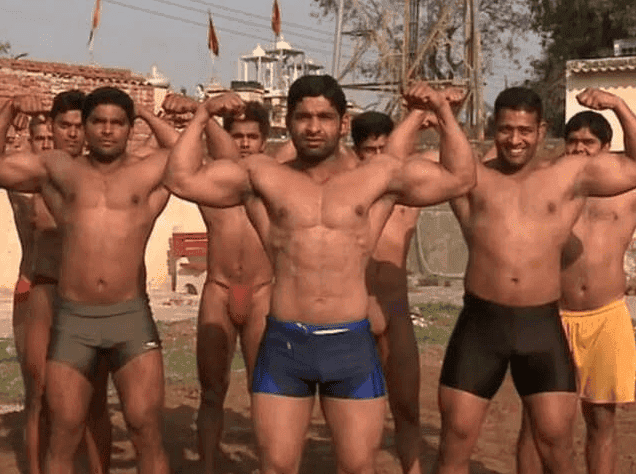
Strongest village in India
Author : adminPublished : February 16, 2026

As the sun sets over South Delhi, luxury cars line up outside nightclubs, wedding venues, and private farmhouses. At the doors stand men with thick necks, broad shoulders, and an unmistakable physical presence. Ask where they are from, and a surprising number will give the same answer: Asola or Fatehpur Beri.
These twin villages on Delhi’s southern edge have earned an unusual national reputation. In popular media, documentaries, and urban folklore, Asola–Fatehpur Beri is often called “India’s strongest village.” The phrase does not come from any government record, but from a lived reality: an extraordinary concentration of bouncers, bodyguards, wrestlers, and gym-trained security professionals whose livelihoods are built on strength, discipline, and physical endurance.
Once primarily agricultural settlements, Asola and Fatehpur Beri today symbolise a distinct rural-urban transformation. Their residents work nights guarding clubs, celebrities, and high-profile events, and return by morning to narrow lanes lined with gyms, akharas, and family homes. Strength here is not just a profession—it is social capital, a source of pride, and a defining identity passed from one generation to the next.
This article explores why Asola–Fatehpur Beri came to be known as India’s strongest village, how geography and community shaped this outcome, what everyday life looks like behind the muscular image, and how the village cluster is negotiating rapid urbanisation at Delhi’s edge.
| population of Delhi | literacy rate of Delhi | sex ratio of Delhi |
2. Where Is Asola–Fatehpur Beri? Location, Demography & Urban Edge
2.1 Exact Location and Administrative Identity
Asola and Fatehpur Beri are located in South and South-West Delhi, close to the Chhatarpur–Mehrauli belt and bordering Haryana. The villages lie adjacent to the Asola Bhatti Wildlife Sanctuary, giving them a rare geography where scrub forests, rocky Aravalli terrain, and dense urban development exist side by side.
Administratively, both are classified as urban villages / census towns under Delhi’s governance system. However, in social organisation, kinship networks, and daily rhythms, they continue to function much like traditional villages—tight-knit, community-oriented, and rooted in clan identity.
Their position on Delhi’s fringe has been crucial. Close enough to the city to access nightlife, private security work, and urban markets, yet culturally insulated enough to retain rural norms, Asola–Fatehpur Beri occupy a peri-urban sweet spot that shaped their economic evolution.
2.2 Population Snapshot (Census-Style Overview)
Based on Census 2011 data and subsequent estimates:
- Fatehpur Beri
- Population (2011): ~10,000+
- Sex ratio: Slightly below Delhi average
- Status: Census town
- Asola
- Population (2011): ~7,000+
- Status: Census town
Combined, the cluster supports tens of thousands of residents, with very high population density compared to rural Haryana villages. Most households have at least one male member engaged in security work, transport, or allied urban services.
This demographic scale allows the villages to sustain multiple gyms, equipment suppliers, coaching setups, and informal recruitment networks for security agencies.
2.3 Urban–Rural Hybrid Character
Walking through Asola–Fatehpur Beri reveals stark contrasts:
- Buffalo sheds and small farms stand beside multi-storey houses and luxury farmhouses.
- Early mornings are quiet; afternoons see gym doors opening; nights are marked by departures to clubs and events across Delhi–NCR.
- Young men rent rooms locally, train intensely, and work night shifts, creating a reverse daily rhythm compared to conventional villages.
This hybrid character—neither fully rural nor fully urban—is central to understanding how the villages became synonymous with strength-based professions.
3. Why It’s Called “India’s Strongest Village”
3.1 Media Narrative and Popular Label
The title “India’s strongest village” is a media-driven description, popularised through news reports, television features, and social-media storytelling. Journalists covering Delhi nightlife and private security repeatedly noticed the same pattern: a disproportionate number of bouncers traced their origins to Asola and Fatehpur Beri.
Over time, this observation solidified into a label. Headlines began referring to the area as “Delhi’s bouncer village” or “the village that guards the capital’s nightlife.” While unofficial, the term stuck because it captured a visible, verifiable trend.
From an E-E-A-T standpoint, it is important to note that this is a descriptive reputation, not an officially certified title—but one supported by consistent reporting and lived experience.
3.2 A Hub of Bouncers and Bodyguards
Security agencies across Delhi–NCR often recruit from these villages because of:
- Physical build and strength culture
- Prior experience passed through family and community networks
- Discipline shaped by akhara training
Men from Asola–Fatehpur Beri work as:
- Nightclub bouncers
- Event security staff
- Personal bodyguards for businessmen, politicians, and celebrities
Many work 10–12 hour night shifts and return home by early morning, making security work a structured, community-normalised occupation rather than an exception.
3.3 Strength Beyond Nightlife
The “strongest village” image is reinforced by older traditions. Long before nightclubs and private security agencies, the area had akhara-based wrestling culture, where physical power, stamina, and discipline were highly valued.
This continuity—from wrestling pits to gym floors to nightclub doors—gives the label depth. Strength here is not a recent trend, but an evolving expression of a long-standing cultural value.
4. Everyday Life: Gyms, Akharas and High-Protein Diets
4.1 Gyms in Almost Every Gali
One of the most striking features of Asola–Fatehpur Beri is the density of gyms. Within a few hundred metres, it is common to find:
- Traditional akharas with mud pits
- Small neighbourhood gyms with free weights
- Larger, modern fitness centres catering to competitive bodybuilding
Training schedules reflect night-work realities. Sessions peak early morning and again late evening, allowing bouncers to train between shifts.
4.2 Traditional Meets Modern Training
Older wrestlers still practise kushti, dands, bethaks, and stone lifting under peepal trees or in earthen pits. Younger men often combine this with:
- Weight training
- Cardio routines
- Bodybuilding-style aesthetics
This coexistence keeps the culture rooted while adapting to modern fitness standards demanded by the security industry.
4.3 Food, Diet and Discipline
Diet is treated as seriously as training. Common elements include:
- Large quantities of milk, curd, lassi, and ghee
- Eggs and chicken for protein
- Simple, home-cooked meals rather than fast food
Many avoid alcohol and smoking, not out of moral compulsion but because physical performance is their livelihood.
4.4 Strength as Social Status
In these villages, physical strength commands respect. A well-built young man is seen as dependable, employable, and capable of supporting a family. Parents often encourage sons to join gyms early, seeing fitness as a direct pathway to income and status.
5. Community Background: Gurjar/Tanwar Identity & Social Structure
5.1 Dominant Community Profile
Asola and Fatehpur Beri are predominantly inhabited by Gurjar (Tanwar) communities, with smaller populations of other caste groups. Historically pastoral and agricultural, Gurjars in this region adapted quickly to urban opportunities while retaining strong kinship networks.
5.2 Family, Masculinity and Honour
Families are largely patriarchal and extended, with clear expectations around male responsibility. Physical strength aligns closely with ideas of masculinity, honour, and protection—values that translate naturally into security work.
Marriage networks are often intra-community, reinforcing occupational continuity: young men grow up watching elders succeed as wrestlers or bouncers and follow similar paths.
5.3 Identity and the Culture of Strength
Over time, strength has become more than a trait—it is a collective identity marker. Stories of successful bouncers, disciplined wrestlers, and men “making it” in the city circulate widely, shaping aspiration.
This deep connection between community identity and physical power explains why the label “India’s strongest village” resonates so strongly here—and why it continues to endure.
6. Security Work: From Fields to Nightclubs
6.1 The Pathway into Bouncer and Security Jobs
For many young men in Asola–Fatehpur Beri, the journey into security work follows a well-recognised local pathway. Schooling usually continues until secondary level, after which physical training becomes the priority. Boys often start accompanying older cousins or neighbours to local gyms in their mid-teens. By their early twenties, many already have the build and discipline required for professional security roles.
Recruitment is largely network-driven. Senior bouncers act as informal mentors, connecting younger men to club owners, event managers, and private security agencies across Delhi–NCR. Unlike corporate hiring, trust and reputation matter more than certificates. A recommendation from a respected senior can secure steady work almost immediately.
Starting salaries generally range from ₹15,000–₹25,000 per month, increasing with experience, physique, and specialised roles. High-profile assignments—weddings of industrialists, celebrity appearances, or political events—pay significantly more. Compared to agriculture or daily-wage labour, security work offers predictable income and upward mobility, making it an attractive option.
6.2 Nature of Work and Occupational Risks
Security work is demanding. Most bouncers work night shifts of 8–12 hours, standing for long periods, managing crowds, and de-escalating conflicts involving intoxicated patrons. Physical confrontations are not everyday occurrences, but the risk of injury is constant—from slips and falls to serious fights.
Legal exposure is another concern. Even when acting defensively, bouncers may face police questioning or court cases. Experienced workers stress restraint and discipline, reminding juniors that self-control is as important as strength.
Despite the risks, many continue because the work provides dignity, independence, and a sense of purpose tied to their physical abilities.
6.3 Economic Impact on the Village
Income from security work has transformed the local economy. Earnings fund:
- Construction of multi-storey houses
- Purchase of vehicles and gym equipment
- Education for siblings and children
Gyms, supplement shops, transport services, and rental rooms thrive because of this occupational ecosystem. In effect, strength has become the village’s primary economic resource, replacing agriculture as the dominant livelihood for many households.
7. Challenges Behind the “Strongest Village” Image
7.1 Health, Injuries and Long-Term Costs
Behind the muscular image lies a quieter reality of chronic injuries. Knee, shoulder, and back problems are common after years of heavy lifting and night work. Some men continue training despite pain, fearing loss of income if they slow down.
There are also concerns around unsafe supplements and steroid misuse, particularly among younger gym-goers chasing rapid results. While many gyms promote clean training, the pressure to look imposing can push some toward risky shortcuts.
7.2 Education and Limited Career Diversification
One of the most debated issues within the community is education. While some families prioritise schooling and encourage police, paramilitary, or sports-quota careers, others see formal education as secondary to immediate earning.
This creates vulnerability: if age, injury, or market changes reduce demand for bouncers, some men may find themselves with limited alternative skills. Community elders increasingly emphasise balancing physical training with education.
7.3 Stereotypes and Public Perception
Media portrayals sometimes associate “bouncer villages” with aggression or lawlessness. Residents strongly contest this narrative, pointing out that most are disciplined workers supporting families, not troublemakers.
Still, stereotypes can affect interactions with police, employers, and outsiders. Managing this perception is one of the village’s ongoing social challenges.
8. Asola–Fatehpur Beri and the Changing Face of Delhi’s Villages
8.1 Rapid Urbanisation and Land Pressure
Urban expansion is reshaping the area. Agricultural land is increasingly converted into farmhouses, banquet halls, and real-estate projects. Land values have risen sharply, bringing wealth but also disputes and ecological stress near the wildlife sanctuary.
Traditional farming knowledge is fading, replaced by service-sector dependence—particularly security work.
8.2 Digital Aspirations and Fitness Influencers
Younger residents now document their lives on Instagram and YouTube, sharing workout routines, diets, and village gym culture. Some have built modest online followings, opening paths into fitness coaching, personal training, and brand endorsements.
This digital visibility is slowly broadening what “strength” can mean—from guarding doors to building fitness-based enterprises.
8.3 Toward Structured “Strength Economies”
There is growing discussion around formalising this identity:
- Certified wrestling and fitness academies
- Organised sports events and tournaments
- Training programs linking gyms to police and defence recruitment
Such steps could transform raw physical culture into sustainable, respected career pipelines beyond nightlife security.
9. Visiting Asola–Fatehpur Beri: Responsible Curiosity
9.1 How to Reach
Asola–Fatehpur Beri is easily accessible from central and south Delhi via Mehrauli, Chhatarpur, or Gurgaon roads. Public buses, shared autos, and cabs operate regularly. The area is generally safe during the day, like most urban villages.
9.2 Respecting the Community
Visitors should remember that this is a living community, not a spectacle. Gyms and akharas are workplaces and training spaces, not tourist attractions.
Basic etiquette includes:
- Asking permission before photography
- Avoiding intrusive questions or stereotypes
- Respecting local customs and privacy
Responsible curiosity helps prevent the village from being reduced to a caricature of muscles and aggression.
10. Conclusion: Strength, Identity and the Future of “India’s Strongest Village”
Asola–Fatehpur Beri’s reputation as India’s strongest village rests on more than physical size or gym numbers. It reflects a community that converted traditional strength culture into economic opportunity at Delhi’s urban edge.
Yet this identity comes with trade-offs—health risks, educational gaps, and social stereotyping. The future of the village depends on broadening the meaning of strength: combining physical discipline with education, skills, and sustainable careers.
If that balance is achieved, Asola–Fatehpur Beri will remain not just a village of bouncers, but a powerful case study of how rural communities adapt, survive, and redefine themselves in a rapidly urbanising India.
Latest Post
 City Of Peace In India
9/14/2026
 Highest Tax Paying City In India
9/13/2026
 City Of Light In India
9/12/2026
 City Of Hills In India
9/11/2026
 City of Gods in India
9/10/2026