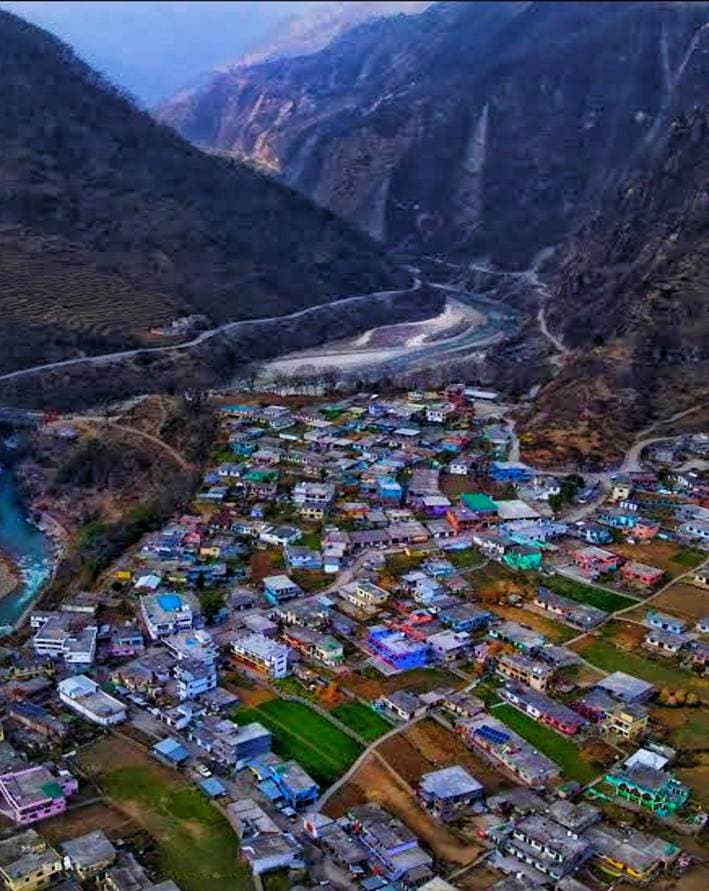
Richest Village in India
Author : adminPublished : January 13, 2026
India is known as a land of villages, where tradition and modern life often exist side by side. Among thousands of villages across the country, Madhapar, located in the Kutch district of Gujarat, stands out for a very special reason. Madhapar is widely known as India’s richest village, not because of luxury buildings or large factories, but because of the financial discipline, unity, and smart investment habits of its people.

Madhapar proves that true wealth is created through planning, hard work, education, and community values. This village is an inspiring example of how rural India can achieve economic success while staying connected to its roots.
check: Top 10 Richest Villages in India
Location and Background of Madhapar
Madhapar is situated about 7–8 kilometers from Bhuj, the main town of the Kutch district in Gujarat. The village lies in a semi-arid region, where water scarcity and harsh climate were once major challenges. Despite these difficulties, Madhapar has grown into a financially strong and well-developed village.

The village has a population of around 17,000 people, and many families have been living here for generations. Over time, Madhapar has changed from a simple rural settlement into a village known across India for its enormous bank deposits.
| population of Gujarat | literacy rate of Gujarat | sex ratio of Gujarat |
Why Madhapar Is Called the Richest Village of India?
Madhapar is called the richest village of India mainly because of the huge amount of money deposited in its banks. The village has several bank branches, including nationalized banks, and the total deposits run into thousands of crores of rupees.

What makes this even more impressive is that the money belongs to ordinary villagers—farmers, shopkeepers, teachers, and business owners. There are no large industries in the village, yet the financial strength of Madhapar is stronger than that of many cities.
Here are some compelling facts that made Madhapar the Richest Village of India-:
- Role of Non-Resident Indians (NRIs)
- Strong Banking and Saving Culture
- Simple Living and Disciplined Lifestyle
- Education and Skill Development
- Agriculture and Local Businesses
- Community Unity and Trust
Role of Non-Resident Indians (NRIs)
One of the main reasons behind Madhapar’s wealth is the large number of Non-Resident Indians (NRIs) from the village. Many people from Madhapar migrated to countries like the United States, the United Kingdom, Canada, Africa, Australia, and the Middle East in search of better opportunities.

Even after settling abroad, these NRIs remained deeply connected to their village. They regularly sent money back home and invested in land, houses, education, and banks. Instead of spending money on luxury, they focused on saving and long-term security.
Remittances from abroad played a major role in increasing the village’s income and improving the quality of life for many families.
Strong Banking and Saving Culture
Unlike many places where people prefer to keep cash or invest only in gold, the people of Madhapar have great trust in banks. Almost every family has one or more bank accounts.

Saving money is considered a habit and a responsibility in Madhapar. Elders encourage children from a young age to understand the value of money, savings, and financial planning. As a result, even small earnings are deposited in banks.
Because of this strong banking culture, Madhapar has very high per-capita bank deposits, making it one of the financially strongest villages in India.
Simple Living and Disciplined Lifestyle
Despite being extremely wealthy, the people of Madhapar are known for their simple lifestyle. Most villagers live modestly and avoid unnecessary show-off. Traditional values such as honesty, humility, and hard work are deeply respected.

Instead of spending money on luxury cars or expensive celebrations, families prefer to invest in:
- Education
- Healthcare
- Property
- Savings and fixed deposits
This disciplined approach to money has helped the village grow steadily without financial instability.
Education and Skill Development
Education is another important pillar of Madhapar’s success. The village has good schools and a strong focus on learning. Many families send their children to cities for higher education in fields like:
- Engineering
- Medicine
- Business
- Information Technology
Educated youth often find good jobs in India and abroad, further strengthening the village economy. Education is seen not just as a personal benefit, but as a way to uplift the entire community.
Agriculture and Local Businesses
Although overseas income is important, agriculture and local businesses still play a role in Madhapar’s economy. Farmers grow crops suitable for the dry climate, such as cotton and groundnuts.

Many villagers also run:
- Shops
- Small trading businesses
- Transport services
- Real estate activities
These occupations provide stable local income and employment for those who stay in the village.
Community Unity and Trust
One of the strongest features of Madhapar is community unity. People trust each other and often work together for common goals. Important decisions related to village development are discussed collectively.
NRIs also contribute generously to village projects such as:
- School buildings
- Temples
- Roads and infrastructure
- Water facilities
This cooperation ensures that wealth is not limited to a few individuals but benefits the entire village.
Impact of the 2001 Kutch Earthquake
The 2001 Kutch earthquake caused massive destruction in Madhapar and nearby areas. Many homes were damaged, and life became very difficult. However, the strong financial base of the villagers helped them rebuild quickly.

NRIs sent financial help, and villagers used their savings wisely to reconstruct homes and public buildings. After the earthquake, Madhapar emerged even stronger, showing the importance of financial preparedness during emergencies.
Infrastructure and Modern Facilities
Today, Madhapar has well-developed infrastructure compared to many rural areas. The village has:

- Good roads
- Schools and colleges nearby
- Banking facilities
- Healthcare services
- Clean residential areas
While it retains a rural atmosphere, the facilities available make life comfortable and secure for residents.
Lessons from Madhapar
Madhapar teaches India several important lessons:
- Wealth is built through saving, not wasting
- Simple living leads to long-term financial security
- Education and migration can uplift rural communities
- Community cooperation multiplies success
- True development is balanced, not flashy
The village proves that economic strength does not depend only on cities or industries.
Conclusion
Madhapar is not just India’s richest village—it is a symbol of financial wisdom, discipline, and unity. Located in the dry region of Kutch, it has shown that challenges can be overcome with planning and determination.
The success of Madhapar lies in its people, their values, and their vision for the future. As India aims for inclusive development, Madhapar stands as a shining example of how villages can become powerful, self-reliant, and prosperous.
Latest Post
 City Of Peace In India
9/14/2026
 Highest Tax Paying City In India
9/13/2026
 City Of Light In India
9/12/2026
 City Of Hills In India
9/11/2026
 City of Gods in India
9/10/2026