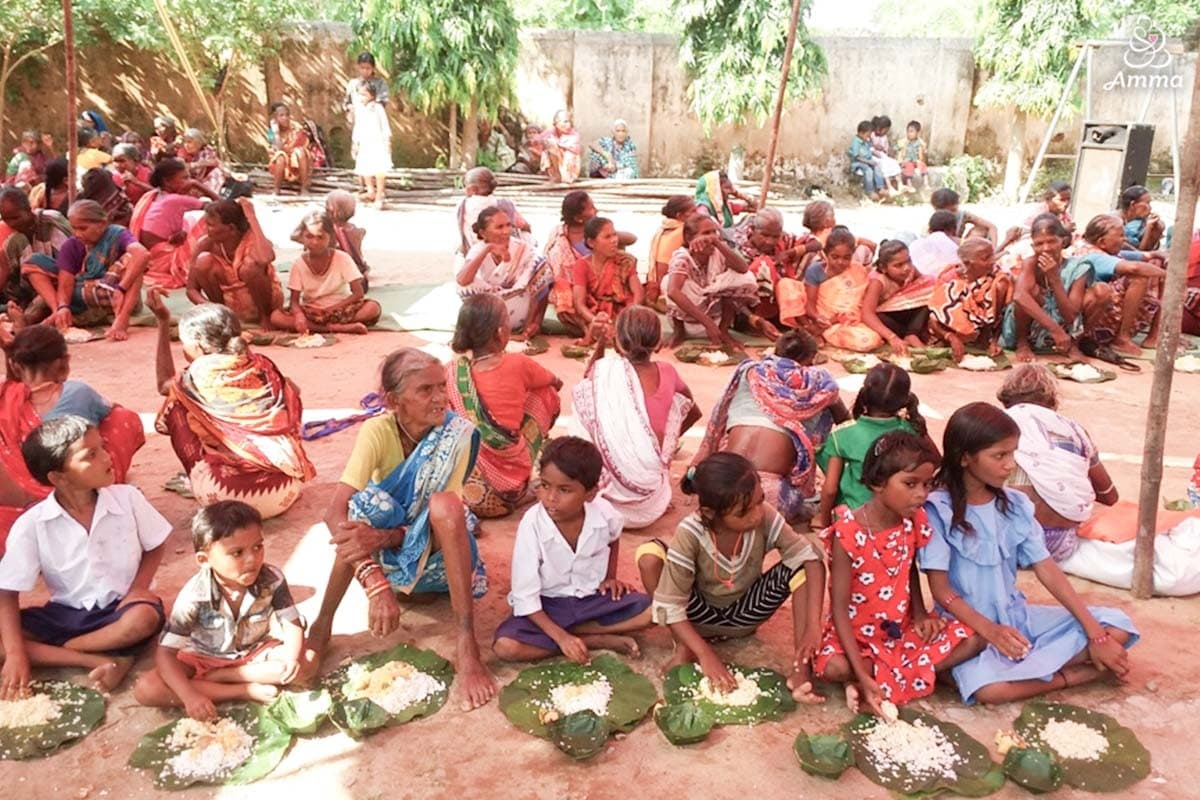
Poorest City in India
Author : adminPublished : July 1, 2026
Bahraich is often discussed among the poorest cities or districts in India due to low income levels, limited industrial development, unemployment, weak infrastructure, and lower literacy rates in surrounding regions. Poverty in Indian cities is generally influenced by factors such as population pressure, lack of employment opportunities, inadequate education, poor healthcare facilities, and slow economic growth. While India is rapidly developing, several cities and regions still face challenges related to poverty, slum development, unemployment, and limited access to basic facilities.
India is one of the fastest-growing economies in the world, with many cities becoming global centers for business, technology, tourism, and education. However, economic growth is not equal everywhere. Some cities continue to struggle with low industrial investment, poor living conditions, migration problems, weak infrastructure, and lack of modern employment opportunities. Poverty affects housing, healthcare, sanitation, education, nutrition, and the overall quality of life of people living in these cities.

Government programs such as Smart City Mission, Skill India, Digital India, rural development schemes, housing projects, and employment initiatives are helping improve living standards in many underdeveloped cities and districts. Infrastructure projects, education awareness, industrial growth, and better transportation systems are gradually transforming many economically weaker regions across the country.
In this blog, we will explore the Top 10 Poorest Cities in India, reasons behind poverty, development challenges, and important facts related to economically weaker urban regions in India.
1. Bahraich

- Bahraich is often discussed among economically weaker regions in India.
- Agriculture is the primary source of income for many families.
- Industrial development remains limited in the region.
- Poverty and unemployment affect many households.
- Healthcare and education facilities are still developing.
- Migration for jobs is common among residents.
- Government welfare schemes are active in the district.
- Infrastructure development is gradually improving living standards.
2. Kishanganj

- Kishanganj faces challenges related to unemployment and poverty.
- Agriculture is a major economic activity in the region.
- Literacy rates have historically remained lower than national averages.
- Flood-related issues affect economic stability.
- Industrial growth is limited in the city.
- Healthcare facilities continue improving gradually.
- Government schemes support rural and urban development.
- Migration for better opportunities is common.
3. Araria

- Araria faces economic and infrastructure challenges.
- Agriculture supports a large part of the population.
- Floods often impact local livelihoods.
- Employment opportunities remain limited.
- Education awareness is improving gradually.
- Poverty affects many rural and urban families.
- Government welfare programs are active here.
- Transportation infrastructure is slowly developing.
4. Gaya

- Gaya has areas facing poverty and unemployment challenges.
- Tourism supports part of the local economy.
- Many people depend on small businesses and agriculture.
- Infrastructure development is improving gradually.
- Education and healthcare services are expanding.
- Some rural regions still face economic hardship.
- Government development projects continue in the area.
- Employment generation remains an important challenge.
5. Nabarangpur

- Nabarangpur is considered economically underdeveloped.
- Agriculture and forest-related work support livelihoods.
- Tribal communities form a major population group.
- Poverty affects access to education and healthcare.
- Industrial investment remains limited.
- Rural development programs are active in the district.
- Infrastructure growth is improving slowly.
- Employment opportunities are still limited.
6. Kalahandi

- Kalahandi has historically been associated with poverty issues.
- Agriculture is the main source of livelihood.
- Drought conditions affected economic growth in past decades.
- Government food and welfare programs support residents.
- Healthcare and nutrition awareness are improving.
- Infrastructure development continues gradually.
- Employment opportunities remain limited in many areas.
- Rural poverty reduction projects are ongoing.
7. Dumka

- Dumka faces unemployment and infrastructure challenges.
- Tribal communities form a large part of the population.
- Mining and agriculture support the economy.
- Poverty affects rural and urban households.
- Healthcare access is improving slowly.
- Government development schemes are active in the region.
- Education opportunities are increasing gradually.
- Better transportation projects are under development.
8. Murshidabad

- Murshidabad faces economic inequality and unemployment issues.
- Silk industry supports part of the local economy.
- Several rural areas face poverty challenges.
- Infrastructure development is improving steadily.
- Healthcare and education sectors are expanding.
- Migration for jobs is common among youth.
- Tourism contributes to local employment opportunities.
- Government welfare schemes continue supporting development.
9. Mewat

- Mewat has faced challenges related to literacy and poverty.
- Agriculture supports many families in the region.
- Employment opportunities remain limited in several areas.
- Education awareness programs are increasing gradually.
- Healthcare infrastructure is improving slowly.
- Government schemes support rural development.
- Connectivity projects are expanding across the region.
- Economic growth is gradually improving living standards.
10. Saharsa

- Saharsa faces flood-related economic challenges.
- Agriculture is the main occupation for residents.
- Poverty affects many rural households.
- Industrial development remains limited.
- Infrastructure projects are gradually improving the city.
- Healthcare facilities continue expanding slowly.
- Employment opportunities remain a challenge.
- Government welfare programs support development efforts.
Facts About Poorest Cities in India
- Poorest city in India 2019 – Bahraich
- Economically weak city in Bihar – Kishanganj
- Flood-affected poor region – Araria
- Historically poverty-affected region – Kalahandi
- Tribal underdeveloped district – Nabarangpur
- Region facing literacy challenges – Mewat
- Flood-prone economically weak city – Saharsa
- City facing unemployment challenges – Dumka
Conclusion
India is developing rapidly in technology, infrastructure, business, and urban growth, but several cities and districts still face economic challenges related to poverty, unemployment, weak infrastructure, and limited industrial development. Cities like Bahraich, Kishanganj, and Kalahandi highlight the importance of balanced development and equal economic opportunities across the country. Government welfare schemes, education improvements, industrial investment, better healthcare, and infrastructure projects are gradually helping these regions improve living standards. With continuous development efforts, many economically weaker cities in India are expected to progress toward a better and more sustainable future.
Latest Post
 Gold City in India
9/29/2026
 Gambling City in India
9/28/2026
 Cotton City in India
9/27/2026
 City of Rallies in India
9/26/2026
 City of Kings in India
9/25/2026