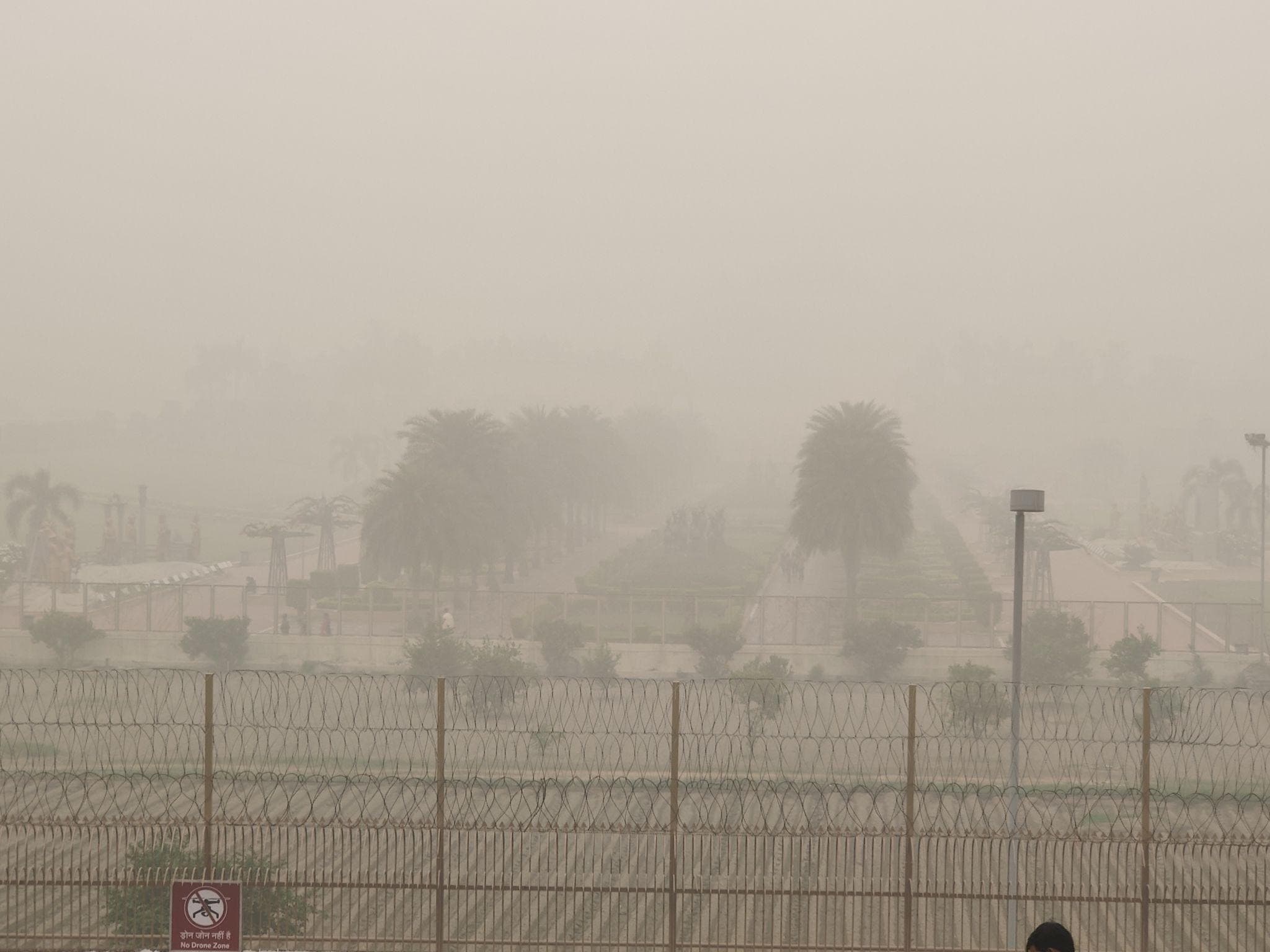
Polluted City in India
Author : adminPublished : June 25, 2026
Delhi, the capital of India, is widely recognized as the most polluted city in India due to its consistently poor air quality, high concentration of particulate matter (PM2.5 and PM10), dense population, heavy traffic congestion, industrial emissions, and seasonal smog. Over the years, rapid urbanization and increasing economic activities have significantly contributed to pollution levels across several Indian cities. Air pollution has become a major public health concern, affecting millions of people and leading to respiratory illnesses, cardiovascular diseases, and environmental degradation.
While Delhi often dominates discussions on air pollution, many other Indian cities also struggle with hazardous air quality due to industrial growth, vehicular emissions, construction dust, and waste burning. Water pollution is another growing concern, with several cities facing contamination of rivers, lakes, and groundwater resources. At the same time, a few cities have successfully maintained cleaner air and healthier environments through effective environmental management and lower industrial activity.
In this blog, we explore the most polluted city in India, the top 10 most polluted cities, the most polluted industrial and water-polluted cities, as well as the least polluted and cleanest cities in India, providing a comprehensive overview of the country’s pollution landscape.
Top 10 Most Polluted Cities in India
- Delhi – Highest air pollution and smog levels.
- Ghaziabad – Known for severe PM2.5 pollution.
- Kanpur – Industrial emissions and traffic pollution.
- Faridabad – Industrial and vehicular pollution.
- Noida – Rapid urbanization and construction dust.
- Lucknow – Traffic congestion and air quality concerns.
- Gurugram – Vehicular emissions and construction activities.
- Varanasi – Urban pollution and waste management issues.
- Patna – Increasing air pollution levels.
- Mumbai – Traffic and industrial pollution challenges.
1. Delhi – Most Polluted City in India

- Delhi is often considered India’s most polluted city.
- PM2.5 and PM10 levels frequently exceed safe limits.
- Vehicular emissions contribute significantly to pollution.
- Construction dust worsens air quality.
- Seasonal stubble burning impacts the city.
- Dense population increases environmental pressure.
- Winter smog is a recurring challenge.
- Multiple pollution-control initiatives are underway.
2. Ghaziabad

- Ghaziabad regularly ranks among polluted cities.
- Industrial activities increase emissions.
- Construction dust affects air quality.
- Rapid urban growth adds pressure.
- Heavy traffic contributes to pollution.
- Waste management remains challenging.
- AQI often reaches unhealthy levels.
- Environmental monitoring is increasing.
3. Kanpur

- Kanpur is a major industrial city.
- Leather industries contribute to pollution.
- Vehicular emissions affect air quality.
- Industrial waste impacts the environment.
- Population growth increases pressure.
- River pollution is also a concern.
- AQI frequently remains poor.
- Pollution-control measures are expanding.
4. Faridabad

- Faridabad is a major industrial center.
- Factories contribute to air pollution.
- Heavy traffic increases emissions.
- Construction activities worsen air quality.
- Urban expansion impacts the environment.
- Waste disposal challenges exist.
- AQI levels often remain high.
- Environmental awareness is increasing.
5. Noida

- Noida experiences severe air pollution.
- Construction projects create dust pollution.
- Traffic emissions affect air quality.
- Rapid development increases environmental pressure.
- Industrial areas contribute to pollution.
- AQI often reaches unhealthy levels.
- Green initiatives are being promoted.
- Pollution monitoring has increased.
6. Lucknow

- Vehicular pollution is a major issue.
- Construction dust affects residents.
- Increasing population worsens pollution.
- AQI frequently remains poor.
- Industrial emissions contribute to air pollution.
- Green cover is under pressure.
- Public awareness campaigns are active.
- Pollution-control measures continue.
7. Gurugram

- Gurugram faces rising pollution levels.
- Vehicle emissions are significant.
- Construction activities add dust pollution.
- Rapid urbanization impacts air quality.
- Industrial operations contribute to emissions.
- AQI often remains unhealthy.
- Environmental regulations are increasing.
- Green projects are expanding.
8. Varanasi

- Varanasi experiences increasing pollution.
- Traffic congestion contributes to emissions.
- Waste management remains a challenge.
- Air quality often deteriorates during winter.
- Population growth increases environmental stress.
- River pollution is also a concern.
- AQI frequently reaches poor levels.
- Environmental initiatives are ongoing.
9. Patna

- Patna frequently records poor air quality.
- Vehicular emissions are a major source.
- Construction dust affects the environment.
- Urban growth increases pollution levels.
- AQI often remains unhealthy.
- Waste disposal challenges exist.
- Public awareness is improving.
- Pollution monitoring continues to expand.
10. Mumbai

- Mumbai faces traffic-related pollution.
- Industrial activities contribute to emissions.
- Coastal conditions sometimes improve air quality.
- Construction projects increase dust pollution.
- High population density affects the environment.
- Vehicle numbers continue to rise.
- AQI levels fluctuate throughout the year.
- Environmental regulations support pollution reduction.
Most Air and Water Polluted Industrial City in India
Kanpur


- Major leather and manufacturing industries.
- Industrial emissions affect air quality.
- Industrial waste impacts nearby water bodies.
- High environmental pressure from factories.
- Untreated wastewater impacts the Ganga.
- Rapid industrial growth increases emissions.
- Environmental regulations are being strengthened.
- Water treatment facilities are expanding.
- Pollution reduction remains a priority.
Lowest Polluted City in India
Aizawl
- Known for clean surroundings.
- Lower industrial activity.
- Good natural vegetation cover.
- Better air quality than major metros.
- Limited heavy traffic.
- Scenic hill environment.
- Strong community cleanliness efforts.
- One of India’s least polluted cities.
Least Air Polluted City in India
Aizawl

- Consistently records better AQI levels.
- Surrounded by forests and hills.
- Lower vehicle density.
- Minimal industrial emissions.
- Healthy environmental conditions.
- Cleaner atmosphere throughout the year.
- Strong environmental awareness.
- Often cited among India’s cleanest-air cities.
Facts About Pollution in India
- Most polluted city in India (2021–2024) – Delhi
- Most polluted industrial city in India – Kanpur
- Most water polluted city in India – Kanpur
- City with severe winter smog – Delhi
- Industrial pollution hotspot – Kanpur
- Least air polluted city in India – Aizawl
- City with lower pollution levels – Aizawl
- Major causes of pollution – Vehicles, industries, construction, and waste disposal
Conclusion
Pollution remains one of India’s biggest environmental challenges, especially in rapidly growing urban and industrial centers. Cities such as Delhi, Ghaziabad, Kanpur, and Faridabad continue to face significant air quality concerns due to industrial emissions, vehicular traffic, construction activities, and population pressure. At the same time, cities like Aizawl demonstrate how lower industrial activity, better green cover, and sustainable urban practices can help maintain cleaner air and a healthier environment. Effective environmental policies, public awareness, cleaner technologies, and sustainable development are essential for reducing pollution and improving the quality of life across Indian cities.
Latest Post
 Dry City in India
9/21/2026
 Pink City of India
9/20/2026
 Riverside Cities in India
9/19/2026
 City of Seven Hills in India
9/18/2026
 Historical Cities In India
9/17/2026