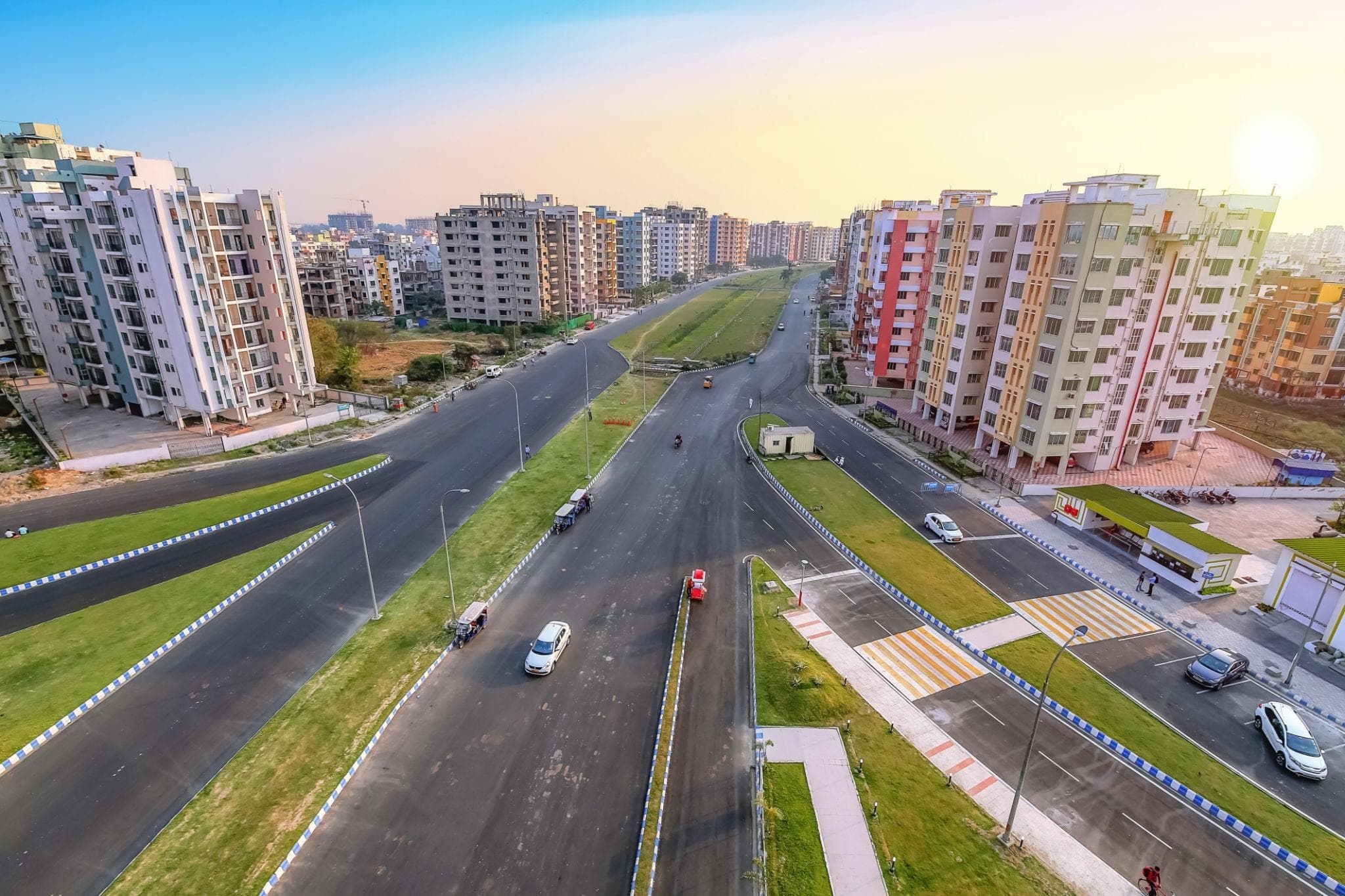
Planned Cities in India
Author : adminPublished : July 9, 2026
Chandigarh, the joint capital of Punjab and Haryana, is widely regarded as the finest example of urban planning in India. Designed by the renowned Swiss-French architect Le Corbusier, the city is known for its organized sectors, broad roads, green spaces, and exceptional quality of life. Following India’s independence, Chandigarh became a symbol of modern India’s vision and development.
India is home to several other planned cities that were carefully designed to accommodate growing populations, improve infrastructure, and provide better living standards. These cities feature well-organized layouts, efficient transportation networks, and dedicated residential, commercial, and recreational zones. In this blog, we explore the planned city in India, the top 10 planned cities in India, and the unique characteristics that make them models of urban development.
Top 10 Planned Cities in India
- Chandigarh – India’s most iconic planned city.
- Navi Mumbai – Designed to decongest Mumbai.
- Gandhinagar – The well-organized capital of Gujarat.
- New Town Kolkata – A modern satellite township.
- Bhubaneswar – One of India’s earliest planned capitals.
- Jamshedpur – India’s first industrial planned city.
- Noida – A major planned city in NCR.
- Naya Raipur – Chhattisgarh’s modern capital city.
- Dispur – Administrative center of Assam.
- Amaravati – Andhra Pradesh’s proposed greenfield capital.
1. Chandigarh – Planned City in India

- Designed by architect Le Corbusier.
- Divided into self-sufficient sectors.
- Features wide roads and green belts.
- Joint capital of Punjab and Haryana.
- Known for excellent urban infrastructure.
- Home to the famous Rock Garden.
- Consistently ranks high in quality of life.
- Considered India’s benchmark for city planning.
2. Navi Mumbai

- Developed to reduce pressure on Mumbai.
- Planned by CIDCO.
- Well-connected through rail and road networks.
- Offers modern residential infrastructure.
- Features organized commercial zones.
- Rapidly emerging business destination.
- Includes large open spaces and parks.
- One of Maharashtra’s fastest-growing cities.
3. Gandhinagar

- Capital city of Gujarat.
- Named after Mahatma Gandhi.
- Divided into organized sectors.
- Known for its greenery.
- Wide roads improve connectivity.
- Houses important government institutions.
- Features excellent civic amenities.
- Maintains a peaceful urban environment.
4. New Town Kolkata

- Developed as a satellite township.
- Located near Kolkata.
- Features smart city infrastructure.
- Home to Eco Park.
- IT hubs drive economic growth.
- Offers planned residential communities.
- Efficient road network supports mobility.
- Emerging as an urban lifestyle destination.
5. Bhubaneswar

- Capital of Odisha.
- Planned by German architect Otto Königsberger.
- Combines heritage and modernization.
- Known as the Temple City of India.
- Features organized neighborhoods.
- Important educational center.
- Rapid infrastructure development continues.
- Selected under the Smart Cities Mission.
6. Jamshedpur

- India’s first industrial planned city.
- Founded by Jamsetji Tata.
- Managed with strong civic planning.
- Known for cleanliness initiatives.
- Home to major industries.
- Features quality public amenities.
- Extensive green spaces enhance livability.
- Often cited as a model industrial city.
7. Noida

- Planned city in the National Capital Region.
- Developed under the UP Industrial Development Act.
- Excellent road connectivity.
- Major IT and business hub.
- Modern residential sectors.
- Expanding metro network.
- Strong real estate growth.
- Popular destination for professionals.
8. Naya Raipur

- Capital region of Chhattisgarh.
- Built with sustainable planning principles.
- Features underground utility systems.
- Wide roads reduce congestion.
- Emphasis on green development.
- Modern government infrastructure.
- Smart city technologies integrated.
- Represents next-generation urban planning.
9. Dispur

- Administrative capital of Assam.
- Developed as a planned government center.
- Integrated with Guwahati’s expansion.
- Houses key government offices.
- Organized institutional zones.
- Improved civic infrastructure.
- Growing residential areas.
- Important political center of Northeast India.
10. Amaravati

- Proposed capital city of Andhra Pradesh.
- Designed as a greenfield smart city.
- Focus on sustainable development.
- Planned modern transport systems.
- Dedicated institutional districts.
- Intended to attract investments.
- Emphasis on eco-friendly growth.
- Represents India’s future urban aspirations.
Facts About Planned Cities in India
● Most famous planned city in India – Chandigarh
● First industrial planned city in India – Jamshedpur
● Planned capital of Gujarat – Gandhinagar
● Smart satellite township – New Town Kolkata
● Planned NCR city – Noida
● Modern capital of Chhattisgarh – Naya Raipur
● Satellite city of Mumbai – Navi Mumbai
● Greenfield capital project – Amaravati
Conclusion
Planned cities represent India’s efforts to create organized, sustainable, and livable urban spaces. From the timeless design of Chandigarh to the futuristic vision of Amaravati, these cities demonstrate how thoughtful planning can improve infrastructure, mobility, environmental quality, and overall quality of life. As India continues to urbanize rapidly, the success of planned cities offers valuable lessons for shaping the cities of tomorrow.
Latest Post
 French City in India
10/6/2026
 City of Forts in India
10/5/2026
 City of Pearls in India
10/4/2026
 City of Gates in India
10/3/2026
 City of Bridges in India
10/2/2026
 City of Black Diamond in India
10/1/2026
 Muslim Cities in India
9/30/2026
 Gold City in India
9/29/2026
 Gambling City in India
9/28/2026
 Cotton City in India
9/27/2026
 City of Rallies in India
9/26/2026
 City of Kings in India
9/25/2026
 Greenest City in India
9/24/2026
 Vegetarian City in India
9/23/2026
 Floating City in India
9/22/2026