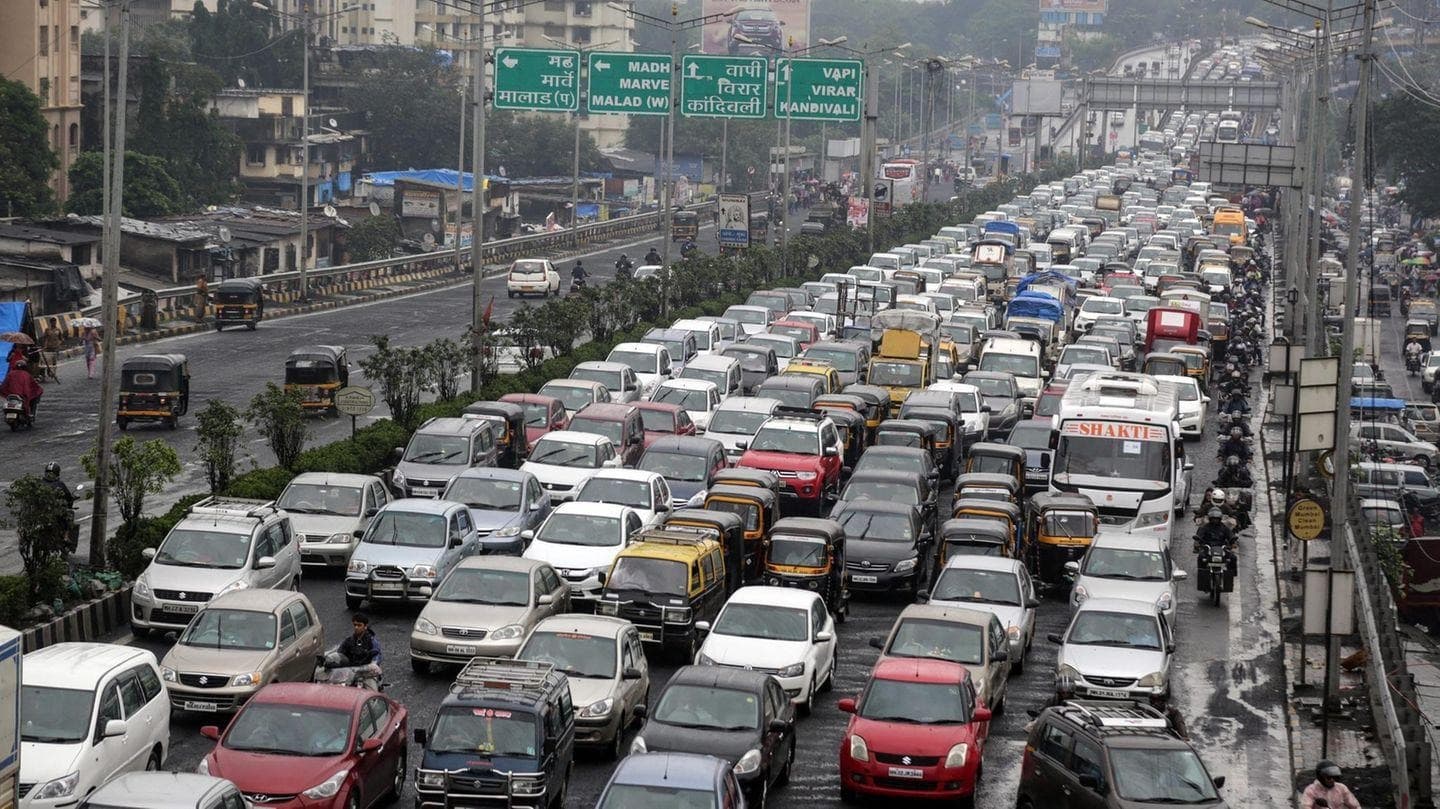
Most Traffic City in India
Author : adminPublished : July 12, 2026
Bengaluru, the capital of Karnataka, is widely recognized as the most traffic-congested city in India. Popularly known as the Silicon Valley of India, Bengaluru has witnessed rapid urbanization, a booming IT industry, and a significant rise in the number of private vehicles over the past two decades. While the city’s economic growth has attracted millions of professionals and businesses, it has also led to one of the country’s biggest urban challenges—traffic congestion.
Long commuting hours, overcrowded roads, inadequate road infrastructure, ongoing construction projects, and increasing vehicle ownership have made Bengaluru infamous for its daily traffic jams. Busy stretches such as Silk Board Junction, Outer Ring Road, Whitefield, Electronic City, and Marathahalli experience heavy congestion during peak office hours. Despite the expansion of the Namma Metro, construction of flyovers, and implementation of intelligent traffic management systems, the city continues to struggle with slow-moving traffic and long travel times.
Several other Indian cities also experience severe traffic congestion due to rapid population growth, expanding urban boundaries, and rising vehicle numbers. In this blog, we explore the most traffic city in India, the top 10 traffic-congested cities, and the major reasons behind increasing traffic problems across the country.
Top 10 Most Traffic Cities in India
- Bengaluru – India’s most traffic-congested city.
- Mumbai – Heavy traffic throughout the day.
- Delhi – High vehicle density and frequent congestion.
- Pune – Rapid urban expansion causes delays.
- Hyderabad – Increasing commuter traffic.
- Chennai – Busy roads and growing population.
- Kolkata – Congested roads and dense urban layout.
- Ahmedabad – Rising vehicle ownership.
- Jaipur – Tourism and city expansion increase traffic.
- Lucknow – Fast-growing city with rising congestion.
1. Bengaluru – Most Traffic City in India

- India’s leading IT and startup hub.
- Records the longest average commute times.
- Silk Board Junction faces daily traffic bottlenecks.
- Outer Ring Road experiences severe congestion.
- Rapid urbanization has increased vehicle numbers.
- Metro expansion is underway to reduce traffic.
- Peak-hour travel can take several hours.
- Traffic congestion impacts productivity and quality of life.
2. Mumbai

- India’s financial capital.
- Extremely high population density.
- Narrow roads limit traffic expansion.
- Peak-hour traffic is common across the city.
- Commercial vehicles add to congestion.
- Ongoing coastal road projects aim to improve mobility.
- Extensive suburban travel increases road usage.
- Public transport carries millions daily.
3. Delhi

- One of India’s largest vehicle populations.
- Daily traffic from NCR increases congestion.
- Ring Roads witness heavy traffic.
- Construction work affects road movement.
- Metro network helps reduce road pressure.
- Busy intersections experience frequent jams.
- Rapid urban growth continues.
- Smart traffic systems are being introduced.
4. Pune

- Fast-growing IT and education hub.
- Rising number of private vehicles.
- Heavy congestion during office hours.
- Two-wheelers dominate city traffic.
- Limited road expansion in older areas.
- Metro projects are under development.
- Infrastructure upgrades continue.
- Daily travel time has increased significantly.
5. Hyderabad

- Rapid IT sector growth.
- Increasing number of daily commuters.
- Heavy traffic near business districts.
- Strategic flyovers improve connectivity.
- Metro services ease some congestion.
- Expanding suburbs increase travel distances.
- Vehicle registrations continue to rise.
- Traffic remains a major urban issue.
6. Chennai

- Major industrial and commercial center.
- Heavy traffic during office hours.
- Increasing private vehicle ownership.
- Busy arterial roads remain congested.
- Metro expansion supports commuters.
- Urban sprawl affects travel time.
- Smart traffic management is improving.
- Road infrastructure continues to expand.
7. Kolkata

- Dense population increases road pressure.
- Narrow roads create bottlenecks.
- Busy markets experience heavy congestion.
- Public transport remains heavily utilized.
- Festivals significantly increase traffic.
- Historic road network limits expansion.
- Flyover projects improve connectivity.
- One of eastern India’s busiest cities.
8. Ahmedabad

- Rapid urban development.
- Rising ownership of private vehicles.
- Commercial areas witness daily congestion.
- BRTS supports public transportation.
- Expanding suburbs increase travel demand.
- Infrastructure projects continue.
- Smart city initiatives improve mobility.
- Growing economic activity increases traffic.
9. Jaipur

- Tourism contributes to road congestion.
- Growing vehicle registrations.
- Historic city roads remain narrow.
- Busy markets create traffic bottlenecks.
- Urban expansion increases travel demand.
- Smart traffic systems are being introduced.
- Infrastructure improvements continue.
- Peak tourist seasons witness severe congestion.
10. Lucknow

- Rapid population growth.
- Increasing number of private vehicles.
- Congestion at major intersections.
- Metro services improve connectivity.
- Expanding commercial areas increase traffic.
- Road widening projects continue.
- Smart traffic management is being adopted.
- One of North India’s fastest-growing cities.
Facts About the Most Traffic Cities in India
● Most traffic-congested city in India – Bengaluru
● India’s Silicon Valley – Bengaluru
● Financial capital with heavy congestion – Mumbai
● City with one of the highest vehicle populations – Delhi
● Fast-growing traffic hotspot – Pune
● IT city facing increasing congestion – Hyderabad
● Tourism-related traffic city – Jaipur
● Major causes of traffic congestion – Rapid urbanization, population growth, rising vehicle ownership, inadequate road infrastructure, and ongoing construction projects.
Conclusion
Traffic congestion has become one of the biggest urban challenges in India, affecting productivity, fuel consumption, public health, and overall quality of life. Cities like Bengaluru, Mumbai, Delhi, and Pune continue to experience increasing pressure as infrastructure struggles to keep pace with rapid urbanization and economic growth. Investing in efficient public transportation, promoting sustainable mobility, improving road infrastructure, and encouraging smart traffic management will be essential for reducing congestion and creating more livable cities in the years to come.
Latest Post
 Silent City in India
10/11/2026
 Romantic Cities in India
10/10/2026
 Sports Cities in India
10/9/2026
 French City in India
10/8/2026
 City of Mountains in India
10/7/2026
 French City in India
10/6/2026
 City of Forts in India
10/5/2026
 City of Pearls in India
10/4/2026
 City of Gates in India
10/3/2026
 City of Bridges in India
10/2/2026
 City of Black Diamond in India
10/1/2026
 Muslim Cities in India
9/30/2026
 Gold City in India
9/29/2026
 Gambling City in India
9/28/2026
 Cotton City in India
9/27/2026