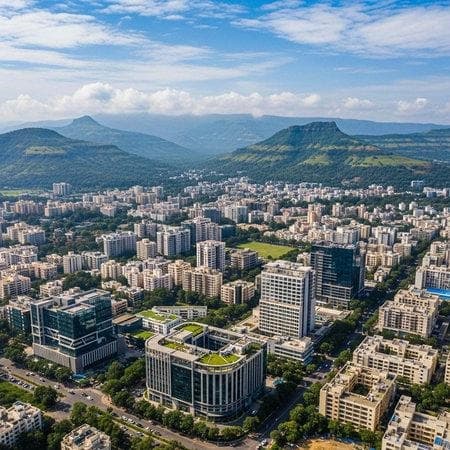
Most Livable City in India
Author : adminPublished : July 13, 2026
Bengaluru, the capital of Karnataka, is widely regarded as one of the most livable cities in India. Renowned as the Silicon Valley of India, Bengaluru offers an excellent balance of career opportunities, quality education, healthcare, pleasant weather, green spaces, and modern infrastructure. The city’s cosmopolitan culture and thriving technology sector attract professionals, entrepreneurs, and students from across the country.
A livable city is one that provides its residents with a high quality of life through efficient public services, good connectivity, clean surroundings, safety, employment opportunities, recreational facilities, and sustainable urban planning. While no city is perfect, several Indian cities consistently perform well in terms of infrastructure, environment, healthcare, education, and overall lifestyle. In this blog, we explore the most livable city in India, the top 10 livable cities, and the factors that make them ideal places to live.
Top 10 Most Livable Cities in India
- Bengaluru – India’s most livable city.
- Pune – Excellent education and IT opportunities.
- Ahmedabad – Well-planned infrastructure.
- Chennai – Strong healthcare and industry.
- Surat – Clean and rapidly developing.
- Navi Mumbai – Planned urban development.
- Hyderabad – Fast-growing IT and business hub.
- Chandigarh – India’s best-planned city.
- Mumbai – Financial capital with world-class facilities.
- Delhi – National capital with excellent connectivity.
1. Bengaluru

- India’s leading IT and startup hub.
- Pleasant climate throughout the year.
- Excellent educational institutions.
- World-class healthcare facilities.
- Cosmopolitan lifestyle.
- Expanding metro connectivity.
- Numerous parks and green spaces.
- High employment opportunities.
2. Pune

- Known as the Oxford of the East.
- Major educational destination.
- Thriving IT industry.
- Pleasant weather.
- Growing metro infrastructure.
- Rich cultural heritage.
- High quality of life.
- Popular among professionals and students.
3. Ahmedabad

- UNESCO World Heritage City.
- Excellent urban infrastructure.
- Well-developed road network.
- Strong industrial economy.
- Clean public spaces.
- Affordable cost of living.
- Expanding metro services.
- Rapid economic growth.
4. Chennai

- Major automobile manufacturing hub.
- Excellent healthcare facilities.
- Strong educational institutions.
- Expanding metro rail network.
- Coastal city with rich culture.
- Growing IT sector.
- Robust public transport.
- High employment opportunities.
5. Surat

- One of India’s cleanest cities.
- Diamond and textile hub.
- Well-maintained infrastructure.
- Rapid economic development.
- Efficient civic administration.
- Good road connectivity.
- Safe urban environment.
- High standard of living.
6. Navi Mumbai

- Well-planned satellite city.
- Modern residential infrastructure.
- Wide roads and open spaces.
- Excellent connectivity.
- Growing business districts.
- Better traffic management.
- Clean environment.
- High livability standards.
7. Hyderabad

- Major IT and pharmaceutical hub.
- Modern infrastructure.
- Affordable compared to other metros.
- Excellent road network.
- Rich historical heritage.
- Expanding metro rail.
- Strong employment opportunities.
- High quality of urban life.
8. Chandigarh

- India’s best-planned city.
- Wide roads and green belts.
- Excellent civic amenities.
- High cleanliness standards.
- Low pollution levels.
- Organized residential sectors.
- Quality healthcare facilities.
- Peaceful living environment.
9. Mumbai

- Financial capital of India.
- Excellent employment opportunities.
- Advanced healthcare facilities.
- Extensive public transport.
- World-class entertainment industry.
- Diverse cultural environment.
- Major educational institutions.
- Global business destination.
10. Delhi

- National capital of India.
- Excellent metro connectivity.
- Major educational institutions.
- World-class hospitals.
- Rich historical heritage.
- Diverse employment opportunities.
- Modern infrastructure.
- Administrative and commercial center.
Facts About the Most Livable Cities in India
● Most livable city in India – Bengaluru
● Best educational hub – Pune
● Best planned livable city – Chandigarh
● Cleanest livable city – Surat
● Financial hub – Mumbai
● National capital – Delhi
● Fast-growing IT hub – Hyderabad
● Major factors for livability – Healthcare, education, infrastructure, employment, safety, connectivity, and environmental quality.
Conclusion
Livability is determined by much more than just economic growth—it depends on the quality of infrastructure, healthcare, education, public transport, safety, environmental sustainability, and employment opportunities. Cities like Bengaluru, Pune, Ahmedabad, Hyderabad, and Chandigarh continue to set benchmarks by providing a balanced urban lifestyle. As India moves toward smarter and more sustainable urban development, these cities demonstrate how thoughtful planning and efficient governance can significantly improve the quality of life for residents and make urban living more comfortable and rewarding.
Latest Post
 Romantic Cities in India
10/10/2026
 Sports Cities in India
10/9/2026
 French City in India
10/8/2026
 City of Mountains in India
10/7/2026
 French City in India
10/6/2026
 City of Forts in India
10/5/2026
 City of Pearls in India
10/4/2026
 City of Gates in India
10/3/2026
 City of Bridges in India
10/2/2026
 City of Black Diamond in India
10/1/2026
 Muslim Cities in India
9/30/2026
 Gold City in India
9/29/2026
 Gambling City in India
9/28/2026
 Cotton City in India
9/27/2026
 City of Rallies in India
9/26/2026