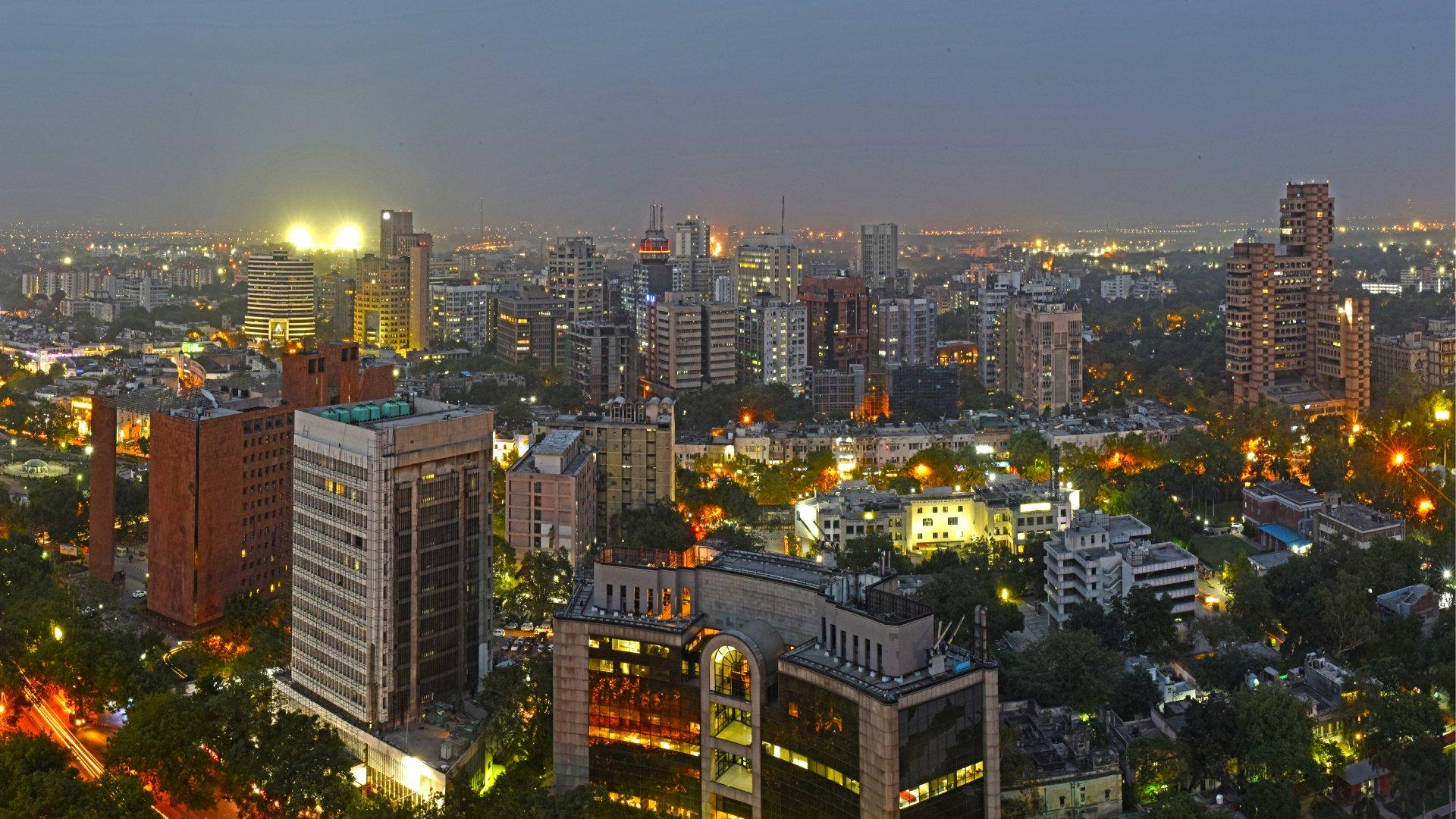
Most Corrupt City in India
Author : adminPublished : August 29, 2026
Corruption is one of the major challenges faced by public institutions and citizens. It can appear in many forms, including demands for bribes, delays in public services, misuse of authority, and unofficial payments for services that people are legally entitled to receive.
For a meaningful comparison, this blog uses findings from the CMS-India Corruption Study 2012, which specifically examined corruption experienced by slum households in public services across nine cities. In that study, Mumbai ranked highest for first-hand experience of corruption in public services, followed by Goa.
🔍 What Makes A City Vulnerable To Corruption?
Corruption can become more visible when citizens frequently interact with public authorities and essential services.
- 🏢 Public Services: Water, electricity, healthcare, housing, municipal services, PDS, and police services can involve frequent citizen-government interaction.
- 💰 Bribe Demands: Citizens may sometimes be asked for unofficial payments to receive services.
- 🏙️ Large Population: Bigger cities have millions of residents and complex administrative systems.
- 📄 Bureaucratic Procedures: Complicated paperwork and delays can create opportunities for middlemen and unofficial payments.
- 🏗️ Large Projects: Construction, land, infrastructure, and municipal contracts can involve significant financial transactions.
- ⚖️ Weak Accountability: Lack of transparency or slow action against wrongdoing can encourage corrupt practices.
- 👥 Economic Inequality: Poorer residents may be particularly vulnerable when they depend on essential public services.
🗺️ Cities Covered In The CMS-India Study
The 2012 CMS study covered 2,533 households living in urban slums across nine cities: Ahmedabad, Bengaluru, Bhubaneswar, Chennai, Delhi, Goa, Hyderabad, Kolkata, and Mumbai. The study focused on seven public services—water supply, electricity, PDS, public health/hospitals, housing, municipal services, and police.
| City | Study Focus | Key Observation |
| Mumbai | Public services | Highest first-hand experience of corruption |
| Goa | Public services | Followed Mumbai in the study |
| Delhi | Public services | Major metropolitan administration |
| Bengaluru | Public services | Large technology-focused city |
| Hyderabad | Public services | Major growing metropolitan centre |
| Chennai | Public services | Large urban service network |
| Kolkata | Public services | Historic metropolitan city |
| Bhubaneswar | Public services | High interaction with public services |
| Ahmedabad | Public services | Emerged as least corrupt in the study |
1. Mumbai – Highest In The CMS-2012 Study

Mumbai is India’s financial capital and one of the country’s largest metropolitan cities. Its enormous population, complex administration, expensive real-estate market, and extensive public-service network make governance particularly challenging.
According to the CMS-India Corruption Study 2012, Mumbai topped the nine-city survey in terms of slum dwellers’ first-hand experience of corruption in public services. The study found that 96% of slum households in Mumbai that had interacted with any of the seven services surveyed had been asked to pay a bribe at least once during the previous year. More than 95% of those who were asked to pay reportedly paid a bribe at least once.
🏢 Services Highlighted
- PDS was one of the most frequently accessed services.
- Municipal services were another major point of interaction.
- Water services affected a large number of households.
- Hospitals and public health services were also significant.
Best Known For: Financial Capital • Large Public-Service Network • Urban Governance Challenges
2. Goa – Second In The Study

Goa is internationally famous for tourism, beaches, hospitality, and its distinctive cultural heritage. It also appeared prominently in the CMS-India Corruption Study.
The study identified Goa as following Mumbai in the overall city comparison for experienced corruption in public services. It also found that 75% of surveyed slum dwellers in Goa believed that corruption in public services had increased during the previous year.
🏖️ Public-Service Experience
- Residents interacted with several essential public services.
- Tourism and rapid development create additional administrative demands.
- Public infrastructure requires continuous government oversight.
- Perceptions of increasing corruption were particularly notable in the study.
Best Known For: Tourism • Beaches • Public-Service Challenges • Rapid Development
3. Delhi – India’s Administrative Capital

Delhi is India’s national capital and an enormous administrative and commercial centre. Residents interact with numerous government departments and public agencies, making transparency and efficient service delivery especially important.
The CMS study included Delhi among its nine surveyed cities. The city’s inclusion reflects the importance of examining corruption in public services within major metropolitan areas.
🏛️ Major Areas Of Interaction
- Municipal services affect millions of residents.
- Police and public administration are important citizen-facing services.
- Healthcare and welfare schemes require extensive government coordination.
- Large-scale urban development creates complex regulatory processes.
Best Known For: National Capital • Administration • Government Services • Urban Development
4. Bengaluru – India’s Technology City

Bengaluru is India’s leading technology and startup centre. Along with rapid economic growth, the city has experienced tremendous population growth and expanding demand for housing, transportation, water, and municipal infrastructure.
Bengaluru was one of the nine cities examined by the CMS-India Corruption Study 2012.
💻 Governance Challenges
- Rapid urban expansion increases pressure on civic services.
- Infrastructure projects require strong oversight.
- Land and property-related processes can involve complex regulations.
- Efficient digital services can help reduce unnecessary middlemen.
Best Known For: Technology • Startups • Rapid Urban Growth • Civic Challenges
5. Hyderabad – Growing Metropolitan Centre

Hyderabad has developed into an important technology, pharmaceutical, business, and education centre. Its rapidly expanding urban population has increased demand for public infrastructure and government services.
Hyderabad was also included in the CMS-India 2012 urban-slum survey.
🏙️ Key Areas
- Municipal services are essential to a growing population.
- Housing and infrastructure require effective administration.
- Public healthcare remains an important citizen service.
- Digitalisation can make government processes more transparent.
Best Known For: Technology • Pharmaceuticals • Business • Urban Growth
6. Chennai – Major Southern Metropolitan City

Chennai is a major industrial, automobile, educational, and cultural centre. As one of India’s largest metropolitan cities, it manages a broad range of public services for a large and diverse population.
The CMS study found that 36% of surveyed slum dwellers in Chennai believed the level of corruption had remained the same during the period considered, making Chennai notable for this particular perception measure.
🏭 Major Urban Needs
- Municipal services support a large population.
- Industrial development requires regulatory administration.
- Healthcare and public infrastructure remain important.
- Transparent service delivery can improve citizen confidence.
Best Known For: Industry • Automobile Sector • Culture • Education
7. Kolkata – City Of Heritage And Administration

Kolkata has a long history as an administrative, commercial, cultural, and industrial centre. The city was among the nine locations selected for the CMS-India 2012 survey.
The study noted that Kolkata had the lowest percentage of surveyed households that had interacted with public services during the previous year, with households interacting with fewer than two services on average.
🏛️ City Characteristics
- Kolkata has a large and diverse urban population.
- Public services cover extensive residential areas.
- Historic neighbourhoods create unique municipal challenges.
- Citizen participation is important for improving governance.
Best Known For: Heritage • Culture • Commerce • Administration
8. Bhubaneswar – Planned Capital With Growing Needs

Bhubaneswar is Odisha’s capital and has developed into an important centre for government, education, technology, and business. Its planned urban development makes it different from many older Indian cities.
The CMS study found that Bhubaneswar and Goa had the highest average interaction with public services, with surveyed households interacting with an average of four public services during the previous year.
🏙️ Public-Service Environment
- Planned development supports organized urban growth.
- Citizens regularly interact with essential public services.
- Infrastructure expansion requires effective administration.
- Digital governance can improve transparency and accessibility.
Best Known For: Planned Development • Government • Education • Technology
9. Ahmedabad – Least Corrupt In The CMS-2012 City Comparison

Ahmedabad is one of India’s major commercial and industrial centres. It has grown rapidly in manufacturing, business, education, and infrastructure.
Interestingly, within the nine-city CMS-India 2012 survey, Ahmedabad emerged as the least corrupt city from the perspective of slum dwellers’ experienced corruption in public services.
🏭 City Strengths
- Strong business and industrial ecosystem.
- Expanding infrastructure and urban services.
- Growing emphasis on digital governance.
- Active commercial and entrepreneurial environment.
Best Known For: Business • Industry • Entrepreneurship • Urban Development
10. What About Other Indian Cities?

Corruption is not limited to the cities included in the CMS study. India has hundreds of cities and towns, each with different administrative structures and experiences.
It is therefore difficult to create a meaningful all-India “most corrupt city” ranking without using the same methodology, sample size, time period, and definition of corruption for every city.
For example, an Anti-Corruption Bureau case count can show where more traps or cases were recorded, but a higher number of cases does not automatically mean that a city is more corrupt. It can also reflect stronger enforcement, greater reporting, or a larger administrative system. Recent reporting illustrates this point: Mumbai recorded relatively few Maharashtra ACB trap cases in 2025 despite its size, demonstrating why raw case counts need careful interpretation.
📊 What Did The CMS Study Actually Measure?
The 2012 study focused specifically on corruption in basic public services experienced by urban slum households. It examined:
| Public Service | Why It Matters |
| 💧 Water Supply | Essential daily service |
| ⚡ Electricity | Basic household requirement |
| 🍚 PDS | Food-security service |
| 🏥 Health/Hospitals | Essential public healthcare |
| 🏠 Housing | Access to government housing services |
| 🏙️ Municipal Services | Civic infrastructure and facilities |
| 👮 Police | Law enforcement and citizen protection |
The study’s sample consisted of 2,533 urban-slum households across nine cities, so its results should be understood within that specific scope.
⚠️ Why Calling A City “Most Corrupt” Can Be Misleading
A city’s reputation for corruption does not necessarily mean that every government department, official, business, or resident is corrupt.
Several factors can influence corruption statistics:
1. Population Size
Large cities naturally have more transactions and interactions with government agencies.
2. Reporting Levels
A city with better reporting mechanisms may record more cases.
3. Enforcement
More anti-corruption investigations can indicate stronger enforcement rather than more corruption.
4. Survey Methodology
Different surveys measure different things—perception, experience, reported cases, bribes paid, or convictions.
5. Time Period
A city’s situation can change significantly over the years.
🔍 How Can Cities Reduce Corruption?
Modern technology and transparent administration can reduce opportunities for unofficial payments.
💻 Digital Services: Online applications reduce unnecessary physical interaction with officials.
📱 Online Payments: Digital payment systems create transaction records and reduce cash-based dealings.
📋 Transparent Procedures: Clearly published fees, timelines, and requirements make it harder to demand unofficial payments.
📢 Complaint Systems: Citizens need simple and effective ways to report corruption.
🔎 Independent Monitoring: Strong auditing and anti-corruption agencies can improve accountability.
⚖️ Quick Action: Investigations and penalties need to be timely and transparent.
Conclusion
Corruption is a complex issue that cannot be accurately represented by a simple city ranking. Mumbai emerged as the top city for experienced corruption in public services in the CMS-India Corruption Study 2012, while Goa followed it and Ahmedabad emerged as the least corrupt among the nine cities surveyed.
The study also demonstrates why context matters. It examined specific public services and surveyed urban-slum households rather than the entire population of each city. Therefore, its findings should be treated as a historical study result rather than a current national ranking.
Ultimately, the goal should not simply be to identify India’s “most corrupt city.” The more important question is how Indian cities can make public services more transparent, accessible, accountable, and free from bribery. Digital governance, transparent procedures, strong complaint mechanisms, and effective enforcement can all play an important role in creating cleaner and more citizen-friendly cities.
Latest Post
 Silent City in India
10/11/2026
 Romantic Cities in India
10/10/2026
 Sports Cities in India
10/9/2026
 French City in India
10/8/2026
 City of Mountains in India
10/7/2026
 French City in India
10/6/2026
 City of Forts in India
10/5/2026
 City of Pearls in India
10/4/2026
 City of Gates in India
10/3/2026
 City of Bridges in India
10/2/2026
 City of Black Diamond in India
10/1/2026
 Muslim Cities in India
9/30/2026
 Gold City in India
9/29/2026
 Gambling City in India
9/28/2026
 Cotton City in India
9/27/2026