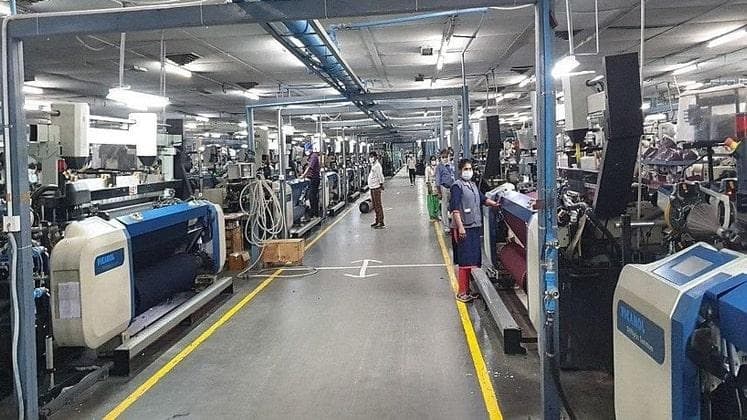
Manchester City in India
Author : adminPublished : August 3, 2026
Ahmedabad in Gujarat is popularly known as the Manchester City of India because of its historic cotton textile industry and its significant contribution to India’s industrial growth. During the British era, the city emerged as one of the country’s largest textile manufacturing centers due to the availability of cotton, skilled labor, favorable climate, and easy access to transportation. The large number of textile mills earned Ahmedabad the nickname “Manchester of India,” drawing comparisons with Manchester in England, which was once the world’s leading textile-producing city.
Today, Ahmedabad is much more than a textile hub. It has developed into a major center for pharmaceuticals, chemicals, engineering, information technology, education, and startups. The city is also India’s first UNESCO World Heritage City, famous for its historic pols, Sabarmati Riverfront, vibrant markets, and rich Gujarati culture.
Several other Indian cities have also built strong reputations in textiles, manufacturing, and industrial development.
List of Manchester Cities and Textile Hubs in India
- Ahmedabad – Famous Manchester of India.
- Coimbatore – Manchester of South India.
- Kanpur – Manchester of North India.
- Surat – India’s largest textile city.
- Ludhiana – Woolen textile manufacturing hub.
- Tiruppur – Knitwear capital of India.
- Ichalkaranji – Maharashtra’s textile powerhouse.
- Panipat – Textile and handloom city.
- Bhilwara – Textile city of Rajasthan.
- Erode – Turmeric and textile hub.
1. Ahmedabad – Manchester of India

- Known as Manchester of India.
- Historic cotton textile manufacturing center.
- India’s first UNESCO World Heritage City.
- Sabarmati Riverfront attracts countless visitors.
- Strong pharmaceutical industry drives growth.
- Engineering sector supports industrial expansion.
- Rich Gujarati culture enhances tourism.
- Major commercial hub of western India.
2. Coimbatore – Manchester of South India

- Famous for textile manufacturing industries.
- Called Manchester of South India.
- Cotton mills drive regional economy.
- Engineering industries support industrial growth.
- Pleasant climate benefits textile production.
- Educational institutions produce skilled professionals.
- Modern infrastructure attracts major investments.
- Tamil Nadu’s industrial powerhouse city.
3. Kanpur – Manchester of North India

- Popular textile and leather industries.
- Called Manchester of North India.
- Historic cotton mills shaped economy.
- Leather exports strengthen industrial development.
- Major commercial center of Uttar Pradesh.
- Skilled workforce supports manufacturing growth.
- Rich industrial heritage attracts researchers.
- Important northern manufacturing destination.
4. Surat – Textile Capital

- India’s largest synthetic textile market.
- Textile exports support national economy.
- Diamond polishing industry grows rapidly.
- Modern infrastructure attracts businesses consistently.
- Skilled workforce drives industrial success.
- Smart city promotes economic growth.
- Commercial activities strengthen regional development.
- Gujarat’s thriving industrial destination.
5. Ludhiana – Woolen Textile Hub

- India’s leading woolen garment manufacturer.
- Textile industries support regional economy.
- Bicycle manufacturing boosts industrial production.
- Small industries create employment opportunities.
- Export businesses strengthen economic development.
- Skilled artisans maintain manufacturing excellence.
- Industrial clusters encourage business expansion.
- Punjab’s manufacturing powerhouse city.
6. Tiruppur – Knitwear Capital

- India’s knitwear export capital city.
- Garment industries drive economic growth.
- Textile exports reach global markets.
- Skilled workforce supports manufacturing excellence.
- Modern factories ensure quality production.
- Strong infrastructure encourages industrial investments.
- Entrepreneurship strengthens regional economy significantly.
- Tamil Nadu’s apparel manufacturing leader.
7. Ichalkaranji – Textile Powerhouse

- Maharashtra’s famous textile manufacturing center.
- Powerloom industry supports local economy.
- Textile businesses expand consistently yearly.
- Skilled workers ensure quality production.
- Modern weaving technologies improve efficiency.
- Industrial growth creates employment opportunities.
- Commercial activities strengthen regional development.
- Leading textile hub in Maharashtra.
8. Panipat – Handloom City

- Famous for handloom textile production.
- Home furnishing exports reach worldwide.
- Carpet industries strengthen local economy.
- Textile manufacturing creates numerous jobs.
- Skilled artisans preserve weaving traditions.
- Modern industries encourage business expansion.
- Export market supports industrial growth.
- Haryana’s textile manufacturing center.
9. Bhilwara – Rajasthan Textile City

- Rajasthan’s largest textile manufacturing hub.
- Synthetic fabric production grows rapidly.
- Textile exports support regional economy.
- Modern mills improve manufacturing efficiency.
- Skilled workforce powers industrial development.
- Business investments strengthen local industries.
- Commercial growth boosts employment opportunities.
- Major textile center of Rajasthan.
10. Erode – Textile Trading Hub

- Famous for textile trading markets.
- Cotton production supports local industries.
- Powerloom sector drives economic growth.
- Turmeric trade boosts commercial activities.
- Skilled workforce strengthens textile businesses.
- Modern infrastructure encourages industrial expansion.
- Regional economy depends on textiles.
- Tamil Nadu’s important textile destination.
Facts
- Manchester of India – Ahmedabad
- Manchester of South India – Coimbatore
- Manchester of North India – Kanpur
- Textile Capital – Surat
- Knitwear Capital – Tiruppur
- Woolen City – Ludhiana
- Textile City – Bhilwara
- Powerloom Hub – Ichalkaranji
- Handloom City – Panipat
- Textile Trading Hub – Erode
Conclusion
Ahmedabad proudly holds the title of the Manchester of India because of its historic cotton textile industry and its immense contribution to the country’s industrial development. The city’s numerous textile mills, favorable climate, skilled workforce, and entrepreneurial spirit helped it become one of India’s largest textile manufacturing centers, drawing comparisons with Manchester in England. Over the years, Ahmedabad has transformed into a modern economic powerhouse with thriving industries in pharmaceuticals, chemicals, engineering, information technology, and startups while continuing to preserve its textile legacy.
Beyond industry, Ahmedabad is renowned for the Sabarmati Riverfront, vibrant local markets, delicious Gujarati cuisine, and its distinction as India’s first UNESCO World Heritage City. Its unique blend of history, culture, business, and innovation makes it a popular destination for tourists, entrepreneurs, and investors alike. Today, Ahmedabad remains a symbol of industrial excellence, sustainable growth, and economic progress, truly living up to its reputation as the Manchester of India.
Latest Post
 City Of Peace In India
9/15/2026
 City Of Peace In India
9/14/2026
 Highest Tax Paying City In India
9/13/2026
 City Of Light In India
9/12/2026
 City Of Hills In India
9/11/2026