Kolkata
Author : adminPublished : October 14, 2026
Kolkata, the capital of West Bengal, is widely celebrated as the “Cultural Capital of India.” Known for its rich literary heritage, artistic traditions, intellectual spirit and vibrant festivals, the city holds a special place in India’s cultural landscape. Every corner of Kolkata tells a story, from magnificent colonial-era buildings and historic theatres to bustling book markets and traditional neighbourhoods.
The city has been home to renowned personalities such as Rabindranath Tagore, Satyajit Ray, Bankim Chandra Chattopadhyay and Swami Vivekananda, whose contributions have influenced Indian literature, cinema, philosophy and social thought. Kolkata is also famous for its love of music, poetry, theatre and meaningful conversations, reflecting a culture that values creativity and knowledge.
What makes Kolkata truly special is its ability to preserve its traditions while embracing modern life. Its grand Durga Puja celebrations, artistic pandals, classical performances, Bengali cuisine and lively cultural gatherings attract visitors from across India and beyond. Whether you explore its historic landmarks, browse thousands of books at College Street or enjoy sweets at a traditional confectionery, Kolkata offers an unforgettable cultural experience.
🌸 Cultural Highlights of Kolkata

1. Literature and Poetry: Kolkata has a distinguished literary tradition, with Bengali writers, poets and thinkers contributing significantly to Indian literature. The city’s bookshops, literary gatherings and publishing culture keep this intellectual heritage alive.
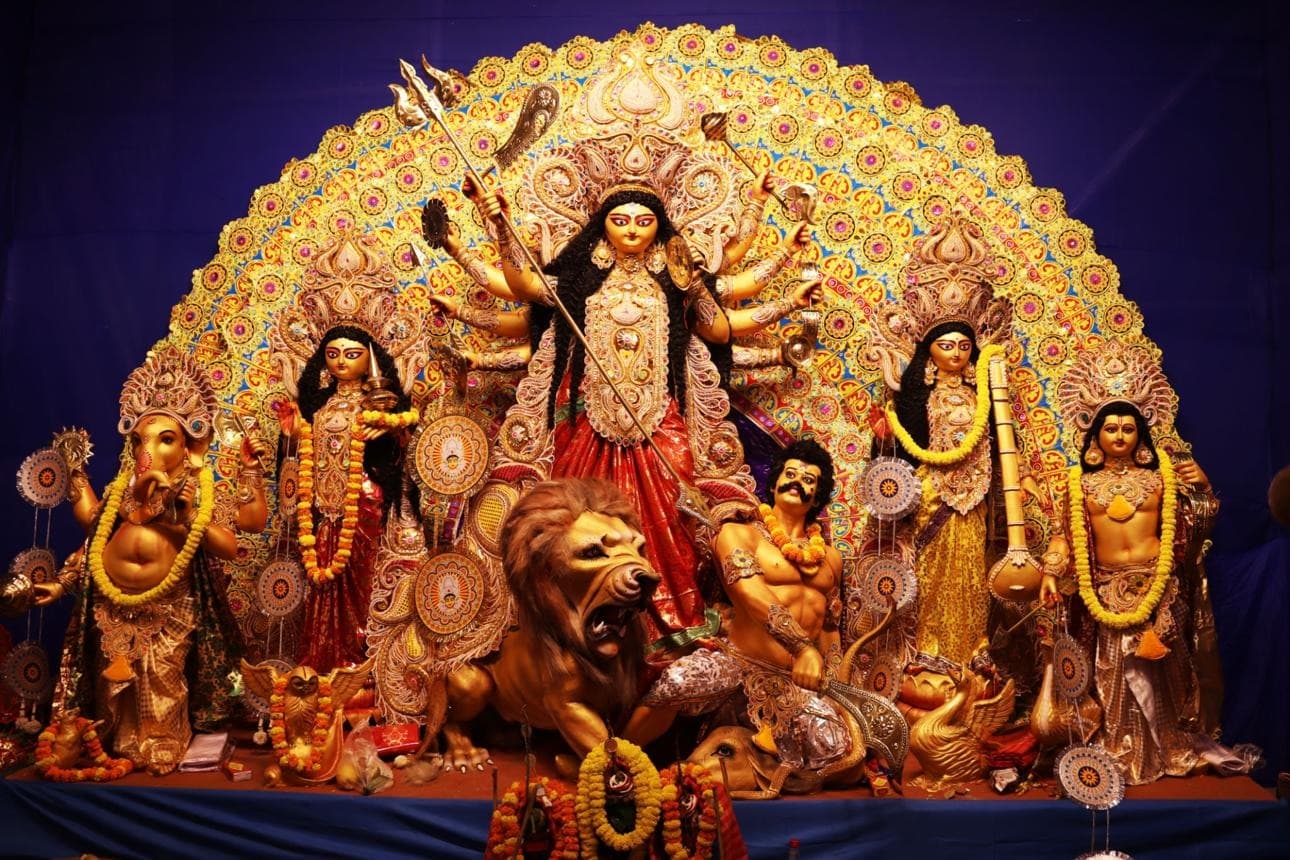
2. Durga Puja Celebrations: Durga Puja transforms Kolkata into a spectacular open-air art exhibition. Elaborate pandals, beautifully crafted idols, cultural programmes and community celebrations make it one of the city’s most celebrated festivals.
3. Music and Performing Arts: The city has a strong tradition of Rabindra Sangeet, Indian classical music, folk music and modern Bengali songs. Theatre and dance performances remain important parts of its cultural life.
4. Art and Cinema: Kolkata has influenced Indian filmmaking and artistic movements. Legendary filmmaker Satyajit Ray and the city’s vibrant art community have helped establish its reputation as a centre of creative expression.
5. Historic Architecture: From the magnificent Victoria Memorial to colonial-era buildings and traditional Bengali mansions, Kolkata showcases architectural styles that reflect different periods of its history.
6. Bengali Food and Sweets: Kolkata’s culinary culture includes fish preparations, traditional Bengali meals, kathi rolls, puchka, rosogolla and sandesh. Food is an essential part of its festivals, family gatherings and everyday life.
📸 Best Places to Experience Kolkata’s Culture

1. Victoria Memorial
Victoria Memorial is a famous Kolkata landmark built in memory of Queen Victoria. This magnificent white-marble monument reflects British architecture and showcases the city’s colonial heritage.
Highlights:
- Architecture: Stunning white-marble design.
- Museum: Historical artefacts and paintings.
- Gardens: Beautiful landscaped surroundings.
- Evening Views: Beautifully illuminated monument.
- Tourist Attraction: A must-visit destination in Kolkata.

2. College Street
College Street is one of Kolkata’s most famous destinations for book lovers, students and researchers. Known for its countless bookshops and second-hand book stalls, it reflects the city’s rich intellectual heritage.
Highlights:
- Bookshops: A vast collection of books.
- Affordable Books: Popular second-hand book stalls.
- Education: Close to historic institutions.
- Literary Culture: A hub for readers and scholars.

3. Kumartuli
Kumartuli is a historic neighbourhood in Kolkata, famous for its skilled artisans who create beautiful clay idols, especially for Durga Puja. It showcases Bengal’s rich artistic and cultural traditions.
Highlights:
- Clay Idols: Exquisite handmade sculptures.
- Artisans: Skilled traditional craftsmen.
- Durga Puja: A major centre for idol-making.
- Cultural Heritage: A glimpse into Bengal’s artistic traditions.

4. Indian Museum
The Indian Museum, established in 1814, is one of India’s oldest and most significant museums. It houses fascinating collections showcasing the country’s rich history, art and natural heritage.
Highlights:
- Archaeology: Ancient sculptures and artefacts.
- Art: Historical paintings and artwork.
- Fossils: Interesting prehistoric specimens.
- Natural History: Diverse animal and plant collections.
- Cultural Heritage: A glimpse into India’s past.

5. Dakshineswar Kali Temple
Belur Math, situated beside the Hooghly River, is a famous spiritual landmark associated with Sri Ramakrishna and Swami Vivekananda. Its peaceful atmosphere and beautiful architecture attract devotees and visitors throughout the year.
Highlights:
- Spiritual Significance: Associated with Sri Ramakrishna.
- Architecture: Beautiful and distinctive design.
- Riverside Views: Serene surroundings beside the Hooghly River.
- Peaceful Atmosphere: Ideal for reflection and meditation.

6. Nandan
Nandan is a popular cultural centre in Kolkata, known for film screenings, film festivals and discussions. It celebrates the city’s rich cinematic heritage and vibrant artistic community.
Highlights:
- Film Screenings: Enjoy diverse movies.
- Film Festivals: Attend exciting cinema events.
- Cultural Discussions: Engage with filmmakers and enthusiasts.
- Artistic Heritage: Experience Kolkata’s love for cinema.
🎨 What Makes Kolkata’s Culture Unique?
Kolkata’s cultural identity is shaped by its distinctive combination of tradition, creativity and intellectual curiosity. Unlike a city known primarily for one monument or festival, Kolkata’s cultural life extends into everyday experiences.
- Adda Culture: Friendly, often lengthy conversations about politics, literature, sports and society are an important part of local social life.
- Bengali New Year: Poila Boishakh brings traditional clothing, cultural programmes, festive meals and celebrations.
- Book and Literary Fairs: The Kolkata International Book Fair attracts book lovers and publishers, reflecting the city’s strong reading culture.
- Theatre Traditions: Bengali theatre has a long history of social commentary, experimental performances and storytelling.
- Artistic Festivals: Cultural events throughout the year celebrate music, dance, film, literature and visual arts.
- Intellectual Heritage: Universities, historic institutions, libraries and cultural organisations contribute to the city’s reputation for debate and learning.
🏆 Why Is Kolkata Called the Cultural Capital of India?
Kolkata earned this popular distinction through its extraordinary contribution to Indian literature, music, cinema, education, theatre and social reform. The Bengal Renaissance, which gained momentum during the nineteenth and early twentieth centuries, helped shape modern Indian thought, education and cultural expression.
The city’s influence can be seen in the works of Nobel laureate Rabindranath Tagore, filmmaker Satyajit Ray and numerous writers, artists and reformers. Its theatres, publishing houses, educational institutions and cultural organisations continue to nurture new generations of creative talent.
Another defining feature is the way culture remains accessible to ordinary people. Festivals spill into neighbourhood streets, books are discussed in roadside tea stalls, and music and theatre remain part of community life. This blend of historic achievement and living tradition makes Kolkata much more than a tourist destination.
✨ Final Thoughts
Kolkata is a city where heritage meets imagination and tradition meets modern creativity. Its literary brilliance, artistic communities, historic architecture, celebrated cuisine and magnificent festivals create a cultural identity unlike any other. From the creative workshops of Kumartuli to the lively bookshops of College Street, every experience reveals another layer of its character.
For travellers seeking to understand India beyond its famous monuments, Kolkata offers a deeper journey into the country’s artistic and intellectual heritage. Its enduring love for books, music, cinema and community celebrations makes it a fitting symbol of India’s cultural richness.
Best For: Bengali Heritage • Literature • Art • Music • Theatre • Festivals • Architecture • History • Food • Spirituality
Latest Post
 Kolkata
10/14/2026
 Silicon Valley City of India
10/13/2026
 Sponge Cities in India
10/12/2026
 Silent City in India
10/11/2026
 Romantic Cities in India
10/10/2026
 Sports Cities in India
10/9/2026
 French City in India
10/8/2026
 City of Mountains in India
10/7/2026
 French City in India
10/6/2026
 City of Forts in India
10/5/2026
 City of Pearls in India
10/4/2026
 City of Gates in India
10/3/2026
 City of Bridges in India
10/2/2026
 City of Black Diamond in India
10/1/2026
 Muslim Cities in India
9/30/2026