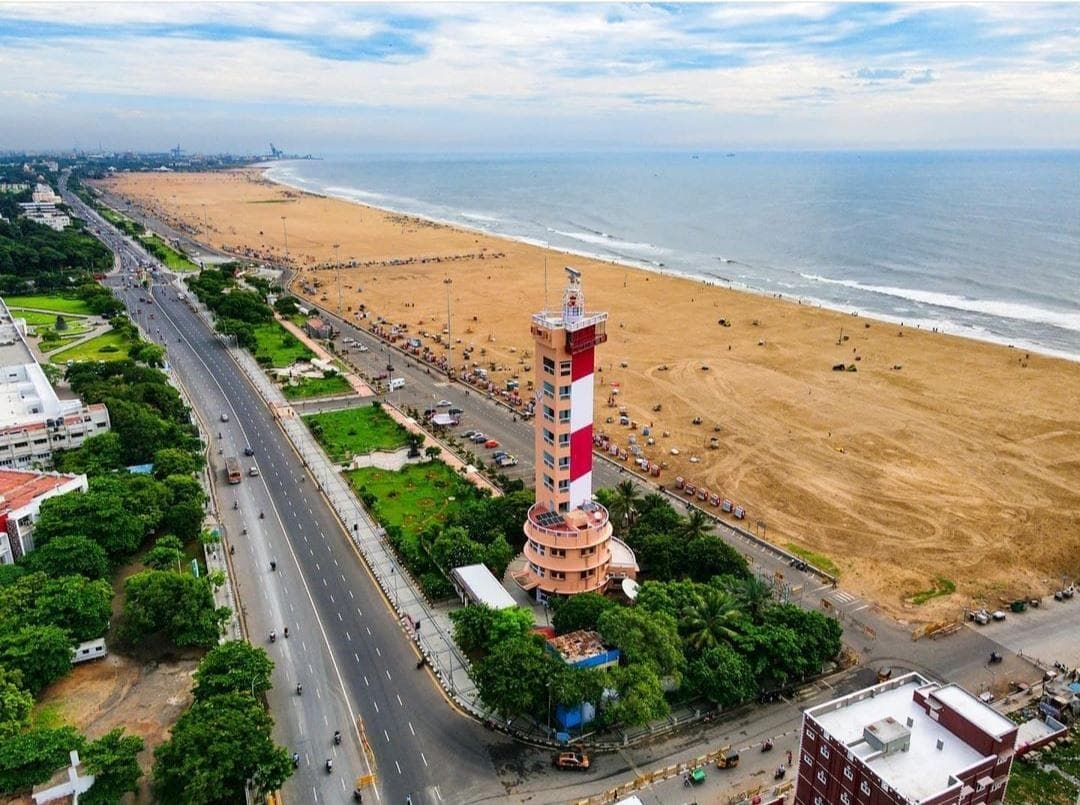
Dirtiest Cities in India
Author : adminPublished : June 22, 2026
Madurai, one of the oldest cities in India, is increasingly facing challenges related to waste management, traffic congestion, urban expansion, and environmental pollution. The city attracts millions of residents, pilgrims, and tourists every year, putting significant pressure on civic infrastructure and sanitation services. Rapid population growth, increasing commercial activities, and expanding residential areas have contributed to rising waste generation and pollution concerns. While authorities continue to undertake cleanliness drives and infrastructure improvements, several areas still struggle with garbage disposal, drainage issues, and environmental degradation.
Apart from Madurai, several other Indian cities such as Ludhiana, Chennai, Ranchi, Bengaluru, and Dhanbad also face cleanliness and pollution-related challenges due to industrial activities, rapid urbanization, traffic emissions, and inadequate waste management systems. Factors such as population density, industrial growth, tourism pressure, and infrastructure development play a major role in determining the cleanliness standards of a city.
In this blog, we will explore the Top 10 Dirtiest Cities in India, their major challenges, reasons behind environmental concerns, and interesting facts about India’s most polluted and unclean urban destinations.
Top 10 Dirtiest Cities in India
- Madurai – Growing waste management and sanitation challenges.
- Ludhiana – Industrial waste and air pollution concerns.
- Chennai – Large-scale urban waste generation.
- Ranchi – Increasing garbage disposal and sanitation issues.
- Bengaluru – Landfill and waste management challenges.
- Dhanbad – Mining-related pollution and dust problems.
- Faridabad – Industrial emissions and urban pollution.
- Greater Mumbai – Massive waste generation and population pressure.
- Srinagar – Tourist-driven waste management concerns.
- Delhi – Air pollution and landfill management challenges.
1. Madurai – Dirtiest City in India

- Madurai is one of India’s oldest continuously inhabited cities.
- Rapid urbanization has increased waste generation.
- Traffic congestion contributes to environmental pollution.
- Several areas face sanitation challenges.
- Population growth puts pressure on civic services.
- Drainage issues occur during monsoon seasons.
- Public cleanliness awareness is gradually improving.
- Authorities continue to expand waste-management initiatives.
2. Ludhiana

- Ludhiana is a major industrial hub of Punjab.
- Industrial waste impacts environmental quality.
- Air pollution remains a significant concern.
- Heavy traffic contributes to emissions.
- Urban growth increases waste generation.
- Water pollution affects nearby water resources.
- Residential and industrial waste create challenges.
- Environmental monitoring has increased in recent years.
3. Chennai

- Chennai is one of South India’s largest metropolitan cities.
- High population density generates large amounts of waste.
- Plastic waste management remains a challenge.
- Traffic congestion affects air quality.
- Coastal pollution impacts some areas.
- Urban expansion increases environmental pressure.
- Flood-related waste accumulation occurs during monsoons.
- Municipal authorities are promoting waste segregation.
4. Ranchi

- Ranchi is experiencing rapid urban growth.
- Garbage disposal remains a concern in some areas.
- Construction activities create dust pollution.
- Population growth strains civic infrastructure.
- Open dumping has been reported in certain locations.
- Waste collection systems are being upgraded.
- Urban development increases environmental pressure.
- Cleanliness campaigns are gaining momentum.
5. Bengaluru

- Bengaluru generates a massive quantity of daily waste.
- Landfill management remains a major challenge.
- Traffic congestion contributes to air pollution.
- Urban expansion affects natural ecosystems.
- Lake pollution has become a concern.
- Population growth increases sanitation demands.
- Residential waste continues to rise.
- Smart waste-management solutions are being implemented.
6. Dhanbad

- Dhanbad is known as India’s Coal Capital.
- Mining activities generate significant dust pollution.
- Industrial operations impact air quality.
- Waste disposal challenges affect urban areas.
- Environmental degradation remains a concern.
- Air pollution levels frequently remain high.
- Urban growth increases infrastructure pressure.
- Pollution-control measures are being strengthened.
7. Faridabad

- Faridabad is one of Haryana’s largest industrial cities.
- Industrial emissions affect environmental quality.
- Construction dust contributes to pollution.
- Heavy traffic increases emission levels.
- Waste management remains a challenge.
- Urbanization continues at a rapid pace.
- Industrial and residential waste contribute to pollution.
- Environmental initiatives are being expanded.
8. Greater Mumbai

- Greater Mumbai generates enormous quantities of municipal waste.
- High population density strains civic services.
- Landfill sites face capacity challenges.
- Traffic congestion contributes to pollution.
- Coastal waste management is a major concern.
- Slum areas face sanitation issues.
- Construction activities generate additional waste.
- Continuous cleanliness drives are being conducted.
9. Srinagar

- Srinagar is a major tourist destination in India.
- Tourist activities increase waste generation.
- Plastic pollution affects certain areas.
- Water pollution impacts lakes and waterways.
- Urban expansion creates sanitation challenges.
- Seasonal tourism increases environmental pressure.
- Waste-management infrastructure is improving.
- Conservation projects are being actively promoted.
10. Delhi

- Delhi faces severe air pollution throughout the year.
- Large landfill sites create environmental concerns.
- Vehicular emissions significantly affect air quality.
- Construction dust contributes to pollution.
- Rapid urbanization increases waste generation.
- Population density places pressure on civic amenities.
- Waste disposal remains a major challenge.
- Multiple pollution-control measures are being implemented.
Facts About Dirtiest Cities in India
- Most discussed dirty city in this list – Madurai
- Major industrial pollution center – Ludhiana
- India’s Coal Capital facing pollution challenges – Dhanbad
- Largest metropolitan city in the list – Greater Mumbai
- Tourist city facing waste concerns – Srinagar
- Major IT city with waste-management challenges – Bengaluru
- Industrial city with rising pollution levels – Faridabad
- Common causes of urban pollution – Waste generation, industrialization, traffic congestion, and rapid urbanization
Conclusion
India’s dirtiest cities highlight the challenges that come with rapid urbanization, industrial growth, and increasing population pressure. While cities such as Madurai, Ludhiana, Chennai, and Greater Mumbai continue to face issues related to waste management and pollution, ongoing efforts by local authorities and citizens are helping improve urban cleanliness standards. Sustainable waste management systems, environmental awareness, improved infrastructure, and responsible civic participation will play a crucial role in creating cleaner, healthier, and more livable cities across India in the years ahead.
Latest Post
 Riverside Cities in India
9/19/2026
 City of Seven Hills in India
9/18/2026
 Historical Cities In India
9/17/2026
 Most Suicidal City In India
9/16/2026
 City Of Peace In India
9/15/2026