Cotton City in India
Author : adminPublished : September 27, 2026
When people talk about India’s Cotton City, Nagpur, Maharashtra is a name that frequently comes up. Located in the heart of the country, Nagpur has a long association with the cotton trade, textile activity, and Vidarbha’s cotton-growing region.
But Nagpur is much more than a centre of cotton commerce. Known as the Orange City, it is also an important transport, education, business, and cultural hub of central India.
🌱 Why Is Nagpur Called the Cotton City?
The connection between Nagpur and cotton goes back to the development of the Vidarbha cotton belt.
The region around Nagpur has traditionally been an important area for cotton cultivation, while the city developed as a major centre for collecting, trading, processing, and transporting agricultural produce.
Its railway and road connections further strengthened Nagpur’s role as a commercial centre, allowing cotton and other agricultural products from surrounding areas to reach markets across India.
This connection with cotton became an important part of Nagpur’s economic history.

🧶 From Cotton Fields to Textile Industry
Cotton has played an important role in the economic development of the wider Vidarbha region.
The journey begins in the cotton fields, continues through agricultural markets and processing centres, and eventually connects with the broader textile industry.
This makes Nagpur an interesting example of how an agricultural commodity can influence the growth and identity of a city.
🏭 Nagpur’s Industrial Heritage
Nagpur’s connection with cotton is also linked with its industrial past.
The city witnessed the development of cotton mills and textile-related activity, particularly during the growth of India’s early industrial economy.

Although Nagpur’s modern economy is much more diversified today, its cotton heritage remains an important part of the city’s story.
🍊 The Cotton City That Became the Orange City
Interestingly, Nagpur is perhaps better known nationally by another nickname — Orange City.
The surrounding region is famous for its oranges, making the city a major centre for the fruit trade as well.
So Nagpur has an unusual combination of agricultural identities:
Cotton fields 🌱 + Orange orchards 🍊 + A major central-Indian city 🏙️

🏛️ A City Beyond Cotton
Modern Nagpur has developed far beyond its agricultural and textile roots.
The city is known for its:
- 🚆 Major railway connections
- ✈️ Air connectivity
- 🎓 Educational institutions
- 🏢 Commercial centres
- 🏭 Industries
- 🌳 Green spaces
- 🛕 Religious landmarks
- 🏏 Sports culture
Its central location has also made it an important transportation and logistics hub.
🌿 Places to Explore in Nagpur

🛕 Deekshabhoomi
One of Nagpur’s most significant landmarks, Deekshabhoomi is an important Buddhist monument and pilgrimage site.
🌊 Futala Lake
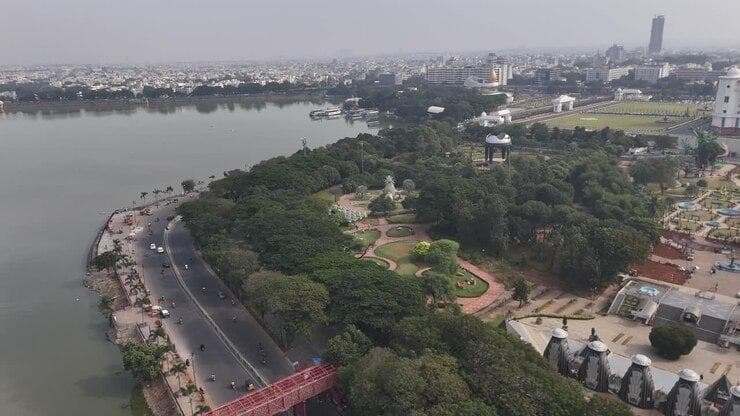
A popular leisure destination, Futala Lake is particularly attractive around sunset and in the evening.
📍 Zero Mile Stone
Nagpur’s famous Zero Mile Stone is associated with the city’s geographical position near the centre of India.
🏰 Sitabuldi Fort
Located in the heart of the city, Sitabuldi Fort reflects an important chapter of Nagpur’s history.
🛍️ Cotton, Crafts and Shopping
Nagpur’s markets reflect the agricultural and commercial character of the region.
Visitors can explore local markets for:
Textiles • Handloom products • Traditional clothing • Local produce • Oranges • Regional snacks
Cotton-related products and traditional textiles also offer an interesting connection to the city’s agricultural heritage.
🍛 Food to Try in Nagpur

A trip to Nagpur isn’t complete without exploring its food culture.
🌶️ Saoji Cuisine – Known for its bold flavours and spicy preparations.
🍊 Nagpur Oranges – The city’s most famous agricultural speciality.
🥟 Samosa and Kachori – Popular everyday snacks.
🍮 Traditional Sweets – Local sweet shops offer a variety of Indian favourites.
📸 Things To Experience
- 🌱 Learn about the cotton-growing heritage of Vidarbha.
- 🏙️ Explore central Nagpur.
- 🛕 Visit Deekshabhoomi.
- 🌊 Spend an evening at Futala Lake.
- 📍 See the Zero Mile Stone.
- 🏰 Explore the history around Sitabuldi.
- 🍊 Taste Nagpur’s famous oranges.
- 🌶️ Try authentic Saoji food.
- 🛍️ Explore local markets.
- 📸 Discover the city’s blend of agriculture, commerce and modern urban life.
🧵 Why Nagpur’s Cotton Identity Matters
The story of Nagpur’s cotton identity is really the story of the wider Vidarbha region.
Cotton cultivation has influenced agriculture, trade, markets, transportation and industrial development across the region. Nagpur’s location and commercial importance helped connect this agricultural economy with larger markets.
Today, the city has a much broader economic identity, but cotton remains an important part of its historical and regional story.
✨ Final Thoughts
Nagpur is a city where agriculture and urban India meet. Its association with cotton reflects the importance of Vidarbha’s farming economy, while its modern identity includes transportation, education, business, food, heritage and the famous oranges of Maharashtra.
From cotton fields to busy markets, Nagpur’s story shows how an agricultural product can become part of a city’s identity.
🧵 Nagpur — The Cotton City of India, Where Fields, Trade and Urban Life Come Together.
Latest Post
 Gambling City in India
9/28/2026
 Cotton City in India
9/27/2026
 City of Rallies in India
9/26/2026
 City of Kings in India
9/25/2026
 Greenest City in India
9/24/2026