Cleanest City in India
Author : adminPublished : June 20, 2026
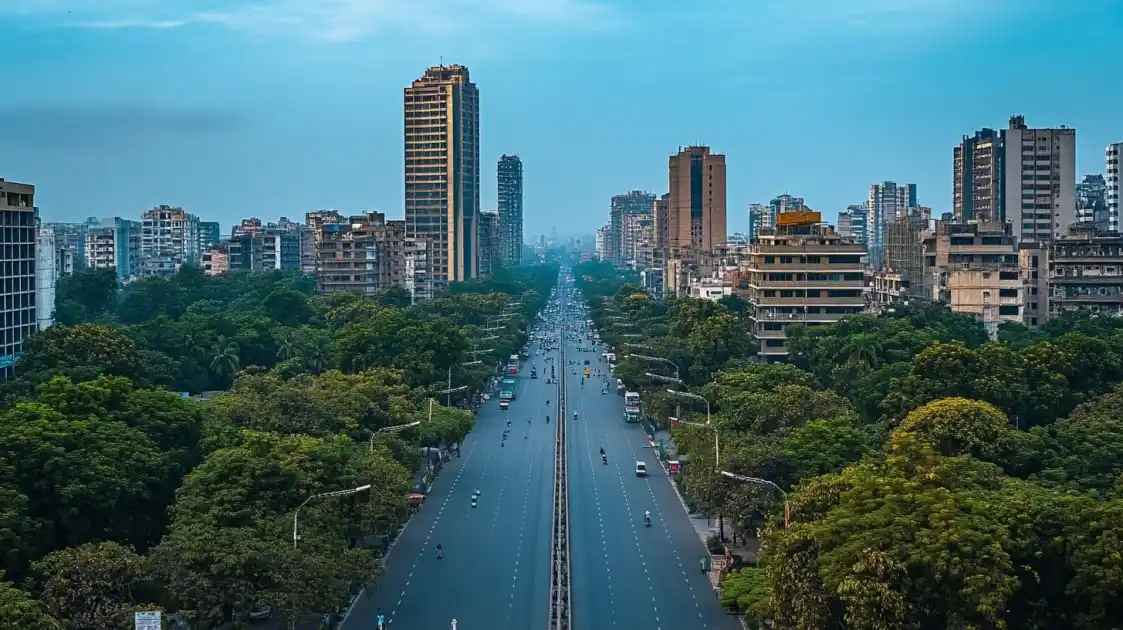
Indore, widely regarded as the cleanest city in India, has consistently secured the top position in the Swachh Survekshan rankings for several consecutive years. The city is known for its efficient waste management system, door-to-door garbage collection, excellent sanitation facilities, and strong public participation in cleanliness initiatives. Well-maintained roads, clean public spaces, effective sewage management, and innovative waste-processing techniques have helped Indore become a model city for urban cleanliness in India.
Apart from Indore, several other Indian cities such as Surat, Navi Mumbai, Visakhapatnam, Bhopal, Vijayawada, Ahmedabad, New Delhi, Tirupati, and Mysuru are also recognized for their cleanliness standards, waste management practices, and civic administration. Factors such as public awareness, sanitation infrastructure, waste segregation, recycling systems, and municipal efficiency play a crucial role in determining the cleanliness of a city.
In this blog, we will explore the Top 10 Cleanest Cities in India, their cleanliness initiatives, key achievements, and interesting facts about India’s cleanest urban destinations.
Top 10 Cleanest Cities in India
- Indore – India’s cleanest city with exceptional waste management.
- Surat – Strong sanitation and civic administration.
- Navi Mumbai – Well-planned urban cleanliness systems.
- Visakhapatnam – Clean coastal city with efficient waste disposal.
- Bhopal – Excellent public sanitation infrastructure.
- Vijayawada – Strong cleanliness awareness programs.
- Ahmedabad – Effective waste collection and management.
- New Delhi – Improved sanitation and smart-city initiatives.
- Tirupati – Clean pilgrimage city with organized maintenance.
- Mysuru – Historic city known for cleanliness and greenery.
1. Indore – Cleanest City in India

- Indore has consistently ranked among India’s cleanest cities.
- Door-to-door garbage collection is highly efficient.
- Waste segregation is strictly implemented.
- Public participation supports cleanliness drives.
- Roads and public spaces are well maintained.
- Modern waste-processing plants reduce landfill usage.
- Strong civic administration ensures sanitation standards.
- The city serves as a model for urban cleanliness.
2. Surat

- Surat is known for excellent sanitation management.
- The city maintains clean roads and public areas.
- Waste collection systems are highly organized.
- Smart-city initiatives support cleanliness efforts.
- Public awareness campaigns encourage participation.
- Civic authorities focus on hygiene standards.
- Urban infrastructure is regularly maintained.
- Surat performs well in cleanliness rankings.
3. Navi Mumbai

- Navi Mumbai is a well-planned satellite city.
- Waste disposal systems are efficiently managed.
- Public spaces remain clean and organized.
- Green zones improve environmental quality.
- Civic infrastructure supports sanitation efforts.
- Regular cleanliness drives are conducted.
- Residential areas are systematically maintained.
- Citizens actively participate in waste segregation.
4. Visakhapatnam

- Visakhapatnam is one of India’s cleanest coastal cities.
- Beach-cleaning initiatives are regularly conducted.
- Waste management systems continue to improve.
- Public awareness programs support sanitation.
- Urban greenery enhances environmental quality.
- Infrastructure development promotes cleanliness.
- Civic authorities focus on waste reduction.
- Tourism areas are well maintained.
5. Bhopal

- Bhopal is known for its clean lakes and public spaces.
- Efficient sanitation systems support urban cleanliness.
- Waste segregation practices are encouraged.
- Public participation strengthens cleanliness efforts.
- Parks and recreational areas are well maintained.
- Smart-city projects improve civic services.
- Municipal authorities focus on hygiene standards.
- The city regularly ranks among India’s cleanest.
6. Vijayawada

- Vijayawada has significantly improved its cleanliness standards.
- Door-to-door waste collection is widely implemented.
- Public sanitation facilities are regularly maintained.
- Awareness campaigns promote responsible waste disposal.
- Roads and markets remain comparatively clean.
- Urban development supports hygiene initiatives.
- Waste segregation programs continue to expand.
- Citizens actively support cleanliness drives.
7. Ahmedabad

- Ahmedabad has a strong waste management system.
- Municipal authorities conduct regular cleaning drives.
- Public infrastructure supports sanitation goals.
- Waste collection services are highly organized.
- Smart-city initiatives enhance cleanliness.
- Public participation improves environmental awareness.
- Roads and public spaces are regularly maintained.
- Recycling efforts continue to expand.
8. New Delhi

- New Delhi has improved significantly in cleanliness rankings.
- Waste collection systems have expanded.
- Public sanitation facilities continue to improve.
- Smart-city projects support urban cleanliness.
- Awareness campaigns encourage responsible behavior.
- Public parks are regularly maintained.
- Waste-processing facilities reduce landfill pressure.
- Civic authorities focus on environmental sustainability.
9. Tirupati

- Tirupati is one of India’s cleanest pilgrimage cities.
- Religious sites are maintained with high cleanliness standards.
- Waste management systems support large visitor numbers.
- Public sanitation facilities are widely available.
- Civic authorities conduct regular cleaning drives.
- Tourism infrastructure remains well organized.
- Public awareness programs support cleanliness efforts.
- Green initiatives continue to expand.
10. Mysuru

- Mysuru is known for its cleanliness and greenery.
- Public spaces are exceptionally well maintained.
- Waste collection systems operate efficiently.
- Civic authorities emphasize sanitation standards.
- Tourism areas remain clean and attractive.
- Residents actively participate in cleanliness programs.
- Parks and gardens enhance environmental quality.
- The city consistently ranks among India’s cleanest.
Facts About Cleanest Cities in India
- Most commonly recognized cleanest city – Indore.
- Cleanest city in India 2020 to 2024 – Indore.
- Cleanest metropolitan city in India – Surat.
- Cleanest city in Central India – Indore.
- Cleanest city in South India – Mysuru.
- Cleanest pilgrimage city in India – Tirupati.
- Leading smart and clean city – Surat.
- Clean coastal city in India – Visakhapatnam.
- Highly planned and clean satellite city – Navi Mumbai.
- City famous for public cleanliness participation – Indore.
Conclusion
India’s cleanest cities showcase how efficient governance, public participation, modern waste management systems, and strong civic administration can transform urban environments. Cities such as Indore, Surat, Navi Mumbai, Bhopal, and Mysuru continue to set benchmarks for cleanliness through innovative sanitation practices and sustainable development initiatives. As urban populations continue to grow, investments in waste segregation, recycling, public awareness, and smart-city infrastructure will remain essential for maintaining cleaner, healthier, and more sustainable cities across India.
Latest Post
 Riverside Cities in India
9/19/2026
 City of Seven Hills in India
9/18/2026
 Historical Cities In India
9/17/2026
 Most Suicidal City In India
9/16/2026
 City Of Peace In India
9/15/2026