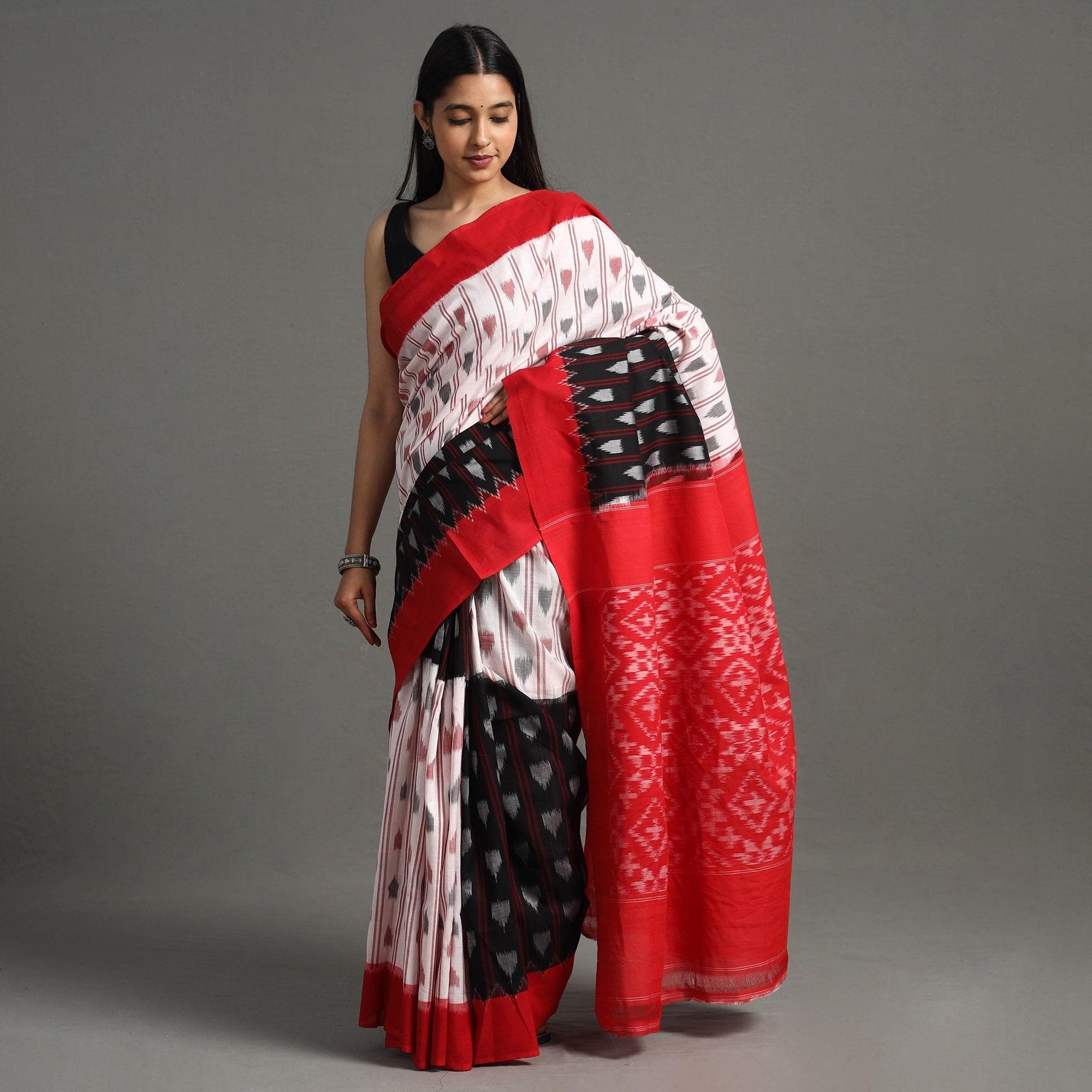
City of Weavers in India
Author : adminPublished : August 19, 2026
Varanasi, in Uttar Pradesh, is widely known as the City of Weavers in India because of its centuries-old tradition of handloom weaving and its world-famous Banarasi silk sarees. The city is home to thousands of skilled weavers who create intricate sarees featuring beautiful motifs, zari work, and traditional designs.
Varanasi’s weaving heritage has been passed from generation to generation. Banarasi silk is especially popular for weddings, festivals, and special occasions. The craft represents India’s rich textile heritage and supports many families across the region.
Other Indian cities and towns are also famous for their weaving traditions, including Bhagalpur, Kanchipuram, Pochampally, Chanderi, and Surat. Each destination has developed its own distinctive fabrics, techniques, patterns, and cultural identity.
List of Weaver Cities in India
- Varanasi – Famous Banarasi silk weaving.
- Bhagalpur – India’s silk city.
- Kanchipuram – Famous silk saree weaving.
- Pochampally – Home of Ikat weaving.
- Chanderi – Famous lightweight silk weaving.
- Surat – Major textile weaving center.
- Kota – Famous Kota Doria weaving.
- Maheshwar – Traditional Maheshwari saree weaving.
- Paithan – Famous Paithani silk weaving.
- Sambalpur – Traditional Sambalpuri weaving.
1. Varanasi – City of Weavers

- Famous for luxurious Banarasi silk sarees.
- Skilled weavers preserve ancient techniques.
- Zari work creates beautiful designs.
- Traditional motifs enrich saree patterns.
- Handlooms support thousands of families.
- Wedding sarees remain highly popular.
- GI recognition protects traditional craftsmanship.
- India’s iconic weaving destination.
2. Bhagalpur – Silk City

- Known as India’s Silk City.
- Tussar silk defines local weaving.
- Skilled artisans create beautiful fabrics.
- Handloom traditions span many generations.
- Natural textures make silk distinctive.
- Textile industry supports local communities.
- Traditional designs attract modern buyers.
- Bihar’s famous textile destination.
3. Kanchipuram – Silk Saree City

- Famous for traditional Kanchipuram silk.
- Skilled artisans create intricate sarees.
- Pure silk gives sarees richness.
- Temple motifs inspire beautiful designs.
- Gold zari adds traditional elegance.
- Wedding sarees remain especially popular.
- Generations preserve weaving traditions carefully.
- Tamil Nadu’s celebrated silk destination.
4. Pochampally – Ikat Weaving Hub

- Famous for distinctive Pochampally Ikat.
- Intricate patterns showcase weaving expertise.
- Traditional techniques create geometric designs.
- Handloom artisans preserve cultural heritage.
- Cotton and silk fabrics flourish.
- Colorful patterns attract global buyers.
- Ikat received important GI recognition.
- Telangana’s famous weaving destination.
5. Chanderi – Lightweight Textile City

- Famous for lightweight Chanderi sarees.
- Silk and cotton fabrics dominate.
- Fine weaving creates elegant textures.
- Traditional motifs enhance saree beauty.
- Skilled artisans preserve historic techniques.
- Handloom supports local livelihoods significantly.
- Chanderi textiles receive nationwide appreciation.
- Madhya Pradesh’s famous weaving destination.
6. Surat – Textile Capital

- Major textile manufacturing center nationwide.
- Synthetic fabrics dominate local production.
- Textile markets attract nationwide traders.
- Modern machinery supports large production.
- Sarees and dress materials flourish.
- Textile exports strengthen regional economy.
- Thousands work within textile industries.
- Gujarat’s leading textile destination.
7. Kota – Doria Weaving City

- Famous for delicate Kota Doria.
- Lightweight fabric suits warm climates.
- Traditional weaving creates checked patterns.
- Skilled artisans maintain heritage techniques.
- Cotton and silk varieties flourish.
- Sarees attract buyers across India.
- Handloom supports rural artisan communities.
- Rajasthan’s famous textile destination.
8. Maheshwar – Traditional Handloom City

- Famous for elegant Maheshwari sarees.
- Handloom traditions grew under royal patronage.
- Silk and cotton fabrics dominate.
- Distinctive borders define traditional designs.
- Skilled artisans preserve heritage weaving.
- Sarees feature elegant lightweight textures.
- Local handlooms support artisan livelihoods.
- Madhya Pradesh’s textile heritage center.
9. Paithan – Paithani Weaving Center

- Famous for luxurious Paithani sarees.
- Silk weaving follows ancient traditions.
- Peacock motifs create iconic designs.
- Rich colors enhance saree elegance.
- Handloom techniques require exceptional craftsmanship.
- Wedding sarees remain highly valued.
- Artisans preserve generations-old weaving skills.
- Maharashtra’s renowned weaving destination.
10. Sambalpur – Sambalpuri Weaving City

- Famous for traditional Sambalpuri sarees.
- Ikat technique creates intricate patterns.
- Traditional motifs reflect Odisha culture.
- Handloom artisans preserve ancestral skills.
- Cotton and silk sarees flourish.
- Colorful designs attract modern customers.
- Textile traditions strengthen regional identity.
- Odisha’s celebrated weaving destination.
Facts
- City of Weavers – Varanasi
- Silk City – Bhagalpur
- Silk Saree City – Kanchipuram
- Ikat City – Pochampally
- Chanderi Textile City – Chanderi
- Textile Capital – Surat
- Kota Doria City – Kota
- Maheshwari Handloom City – Maheshwar
- Paithani Weaving City – Paithan
- Sambalpuri Weaving City – Sambalpur
Conclusion
Varanasi is widely recognized as the City of Weavers in India, with its centuries-old handloom tradition and globally admired Banarasi silk sarees. The city’s skilled artisans continue to preserve traditional weaving techniques, intricate zari work, and beautiful motifs passed down through generations. Varanasi’s weaving industry not only represents India’s rich textile heritage but also provides livelihoods to thousands of artisan families. Alongside Varanasi, cities and weaving centers such as Bhagalpur, Kanchipuram, Pochampally, Chanderi, Surat, Kota, Maheshwar, Paithan, and Sambalpur showcase India’s remarkable diversity of handloom traditions. Each region has its own distinctive fabrics, patterns, techniques, and cultural stories. Together, these weaving destinations preserve India’s ancient craftsmanship while adapting traditional textiles to modern tastes and markets, ensuring that the country’s extraordinary handloom heritage continues to thrive for future generations.
Latest Post
 City of Bridges in India
10/2/2026
 City of Black Diamond in India
10/1/2026
 Muslim Cities in India
9/30/2026
 Gold City in India
9/29/2026
 Gambling City in India
9/28/2026
 Cotton City in India
9/27/2026
 City of Rallies in India
9/26/2026
 City of Kings in India
9/25/2026
 Greenest City in India
9/24/2026
 Vegetarian City in India
9/23/2026
 Floating City in India
9/22/2026
 Dry City in India
9/21/2026
 Pink City of India
9/20/2026
 Riverside Cities in India
9/19/2026
 City of Seven Hills in India
9/18/2026