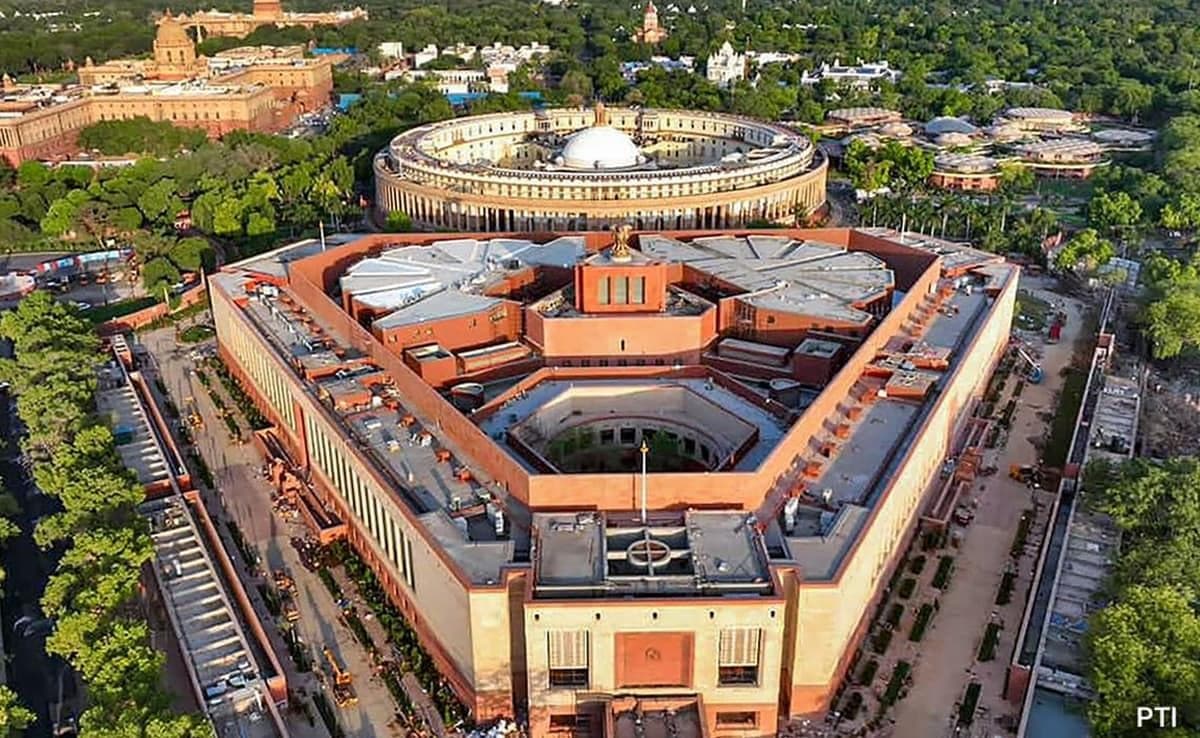
City of Rallies in India: New Delhi
Author : adminPublished : September 26, 2026
India’s capital is known for many things—historic monuments, government institutions, museums, wide avenues and vibrant markets. But there is another name often associated with New Delhi: the “City of Rallies.”
The nickname reflects the city’s long association with public demonstrations, political gatherings, marches and rallies. As the seat of India’s central government, New Delhi has historically attracted people and organisations from across the country who come to raise their voices on national and public issues.
📢 Why Is New Delhi Called the City of Rallies?

New Delhi is the centre of India’s national political and administrative institutions.
The Parliament of India, Union government ministries and many important national institutions are located in the capital region. Because of this, organisations and groups have traditionally come to Delhi to communicate their demands and concerns to policymakers.
Over the years, this has made rallies, marches, demonstrations and public gatherings a visible part of the city’s civic life.
The phrase “City of Rallies” is a popular nickname rather than an official government designation.
📍 Jantar Mantar: A Well-Known Gathering Place

One location strongly associated with Delhi’s public demonstrations is Jantar Mantar.
Built in the 18th century as an astronomical observatory, it later became a recognised location for public gatherings and demonstrations.
Its central location has made it an important part of the civic landscape of the capital.
It is also an interesting example of how one historic site can have completely different roles across different periods of history.
🏛️ A City at the Centre of National Decisions

New Delhi’s political importance is closely connected with its national institutions.
The capital is home to Parliament, government offices, ministries and numerous national-level institutions.
This concentration of decision-making institutions helps explain why Delhi has become an important destination for people seeking to draw attention to national issues.
For many groups, bringing a cause to the capital means bringing it directly into the country’s national public conversation.
🗣️ A Place for Public Voices

Rallies and demonstrations are one form of public participation in a democracy.
Delhi has hosted gatherings connected with a wide variety of issues, including employment, agriculture, education, social causes, government policies and civic concerns.
The issues and participating groups change over time, but the capital’s role as a place for national-level public expression remains an important part of its identity.
🏙️ New Delhi Is Much More Than Rallies

The “City of Rallies” nickname represents only one side of New Delhi.
The capital is also a fascinating combination of history, architecture, culture, gardens and modern urban life.
Some of its well-known attractions include:
India Gate — One of the city’s most recognisable landmarks.
Rashtrapati Bhavan — The official residence of the President of India.
Humayun’s Tomb — A magnificent example of Mughal architecture.
Lodhi Garden — A peaceful green space containing historic monuments.
National Museum — A major collection of India’s cultural heritage.
Connaught Place — A prominent commercial and entertainment district.
🌳 From Government Buildings to Green Spaces

One of New Delhi’s most interesting characteristics is the contrast between its political centre and its extensive green spaces.
The planned areas of the capital feature broad avenues, landscaped gardens and tree-lined roads.
Places such as Lodhi Garden and Sunder Nursery offer peaceful surroundings away from the busy central districts.
This combination of monumental government buildings and greenery gives New Delhi a distinctive urban character.
🕌 A Capital With Centuries of History

Although modern New Delhi was developed as a planned capital in the 20th century, the larger Delhi region has a history stretching back many centuries.
The surrounding city contains landmarks associated with different periods, including the Red Fort, Qutub Minar, Humayun’s Tomb and Jama Masjid.
This gives the capital a remarkable combination of ancient heritage and modern governance.
🍛 A Capital of Many Flavours

Delhi’s food culture is as diverse as the city itself.
From Chole Bhature and Chaat to Mughlai dishes, kebabs, sweets and contemporary cuisine, the capital offers an enormous variety of flavours.
Old Delhi is particularly famous for its traditional food streets, while areas such as Connaught Place offer everything from cafés to modern restaurants.
📸 Things to Experience in New Delhi
- Visit Jantar Mantar — Discover a historic site associated with public gatherings.
- Explore India Gate — See one of the capital’s most recognisable landmarks.
- See Parliament House — Learn about India’s national legislative institution.
- Visit Rashtrapati Bhavan — Admire the grand presidential complex.
- Explore Humayun’s Tomb — Discover its magnificent Mughal architecture.
- Visit Qutub Minar — Explore one of Delhi’s most famous monuments.
- Walk Through Lodhi Garden — Enjoy history and greenery together.
- Explore Connaught Place — Experience shopping, cafés and city life.
- Taste Delhi Food — Try the capital’s famous street food.
- Explore Old Delhi — Experience the historic character of the city.
🏛️ What Makes New Delhi the City of Rallies?
National Capital — Major Union government institutions are located here.
Political Centre — National political activity is concentrated in the capital.
Public Demonstrations — Delhi has a long history of rallies and protests.
Jantar Mantar — A prominent location for organised public gatherings.
National Attention — Events in the capital can attract attention from across India.
The title “City of Rallies” is best understood as a popular description of New Delhi’s role in India’s political and civic life rather than an official city title.
✨ Final Thoughts
New Delhi is more than the City of Rallies—it is a city where India’s political, historical and cultural stories come together.
Its government buildings represent the country’s present, its monuments preserve centuries of history, its markets showcase everyday life and its public spaces provide a stage for people to express their views.
From Jantar Mantar and Parliament to India Gate and the historic streets of Old Delhi, the capital offers countless stories to discover.
Latest Post
 City of Rallies in India: New Delhi
9/26/2026
 City of Kings in India: Rajgir
9/25/2026
 Greenest City in India
9/24/2026
 Vegetarian City in India
9/23/2026
 Floating City in India
9/22/2026