City of Nawabs in India
Author : adminPublished : August 22, 2026
Lucknow, the capital of Uttar Pradesh, is popularly known as the “City of Nawabs in India” because of its rich Nawabi history, magnificent architecture, refined culture, traditional cuisine, and famous hospitality. The Nawabs of Awadh transformed Lucknow into a major center of art, music, poetry, dance, architecture, and culinary traditions.
The city is home to several impressive historical landmarks. Bara Imambara is famous for its grand architecture and unique Bhool Bhulaiya, while Chota Imambara is admired for its beautiful decorations and elegant design. The iconic Rumi Darwaza is another masterpiece of Awadhi architecture. The British Residency reflects an important chapter of Lucknow’s colonial history.
Lucknow is equally famous for its delicious Awadhi cuisine, including flavorful biryani, kebabs, korma, and traditional sweets. The city is also renowned for its delicate Chikankari embroidery, a centuries-old craft admired across India.
With its royal heritage, graceful manners, historic monuments, art, food, and handicrafts, Lucknow beautifully preserves the timeless charm of the Nawabi era.
List of Nawabi Cities in India
- Lucknow – Famous City of Nawabs.
- Hyderabad – Rich Nizami royal heritage.
- Murshidabad – Historic Bengal Nawabi capital.
- Rampur – Famous Rampur Nawabi heritage.
- Tonk – Historic Nawabi city Rajasthan.
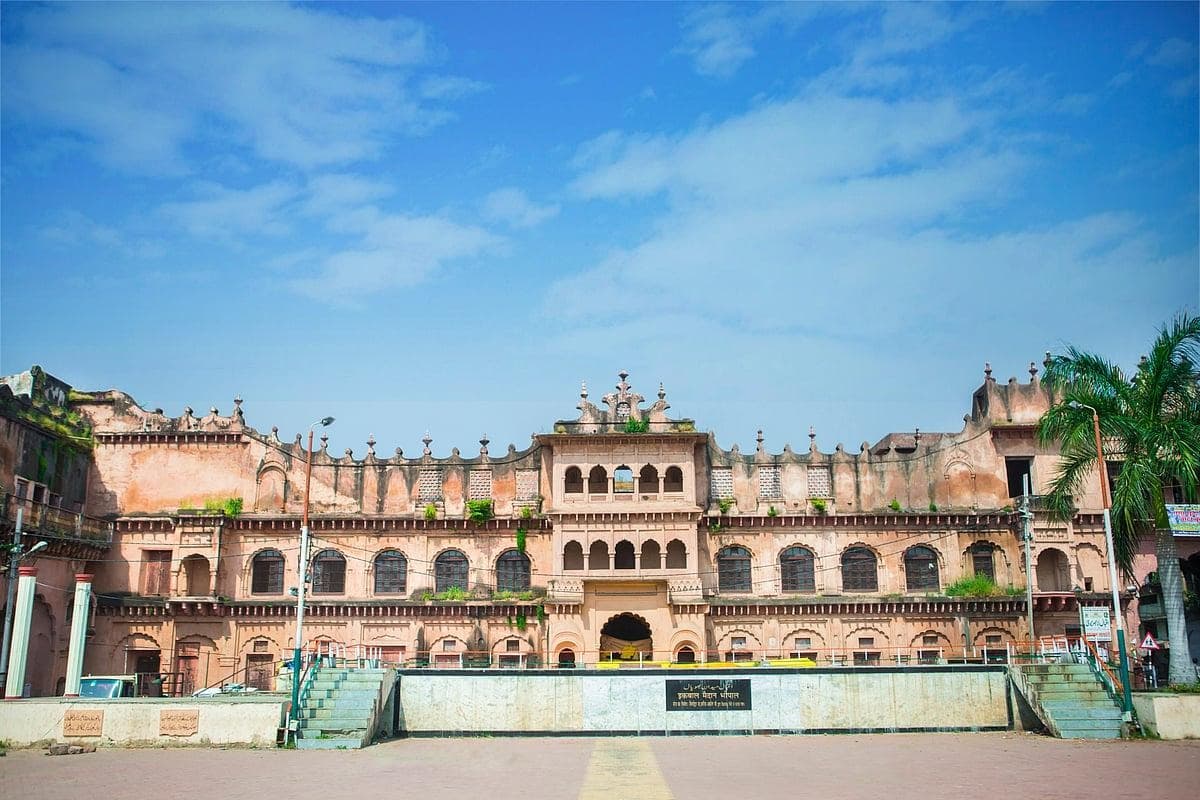
- Bhopal – Former princely Nawabi state.
- Junagadh – Historic Nawabi princely city.
- Patna – Important Nawabi-era cultural center.
- Faizabad – Former Awadh royal capital.
- Bahraich – Historic Awadh cultural region.
1. Lucknow – City of Nawabs
- Lucknow is famously called India’s City of Nawabs.
- Nawabi rulers developed its remarkable cultural heritage.
- Bara Imambara showcases magnificent Awadhi architecture.
- Rumi Darwaza represents Lucknow’s iconic architectural identity.
- Chota Imambara attracts visitors with beautiful decorations.
- Awadhi cuisine remains famous throughout India.
- Chikankari embroidery reflects Lucknow’s traditional craftsmanship.
- Poetry, music, and hospitality remain deeply cherished.
2. Hyderabad – City of Nizams

- Hyderabad is famous for its Nizami royal heritage.
- Charminar remains the city’s iconic historical landmark.
- Chowmahalla Palace showcases magnificent royal architecture.
- Golconda Fort reflects Hyderabad’s fascinating medieval history.
- Hyderabadi biryani remains famous across India.
- Pearl markets reflect the city’s traditional identity.
- Urdu culture strongly influenced Hyderabad’s artistic traditions.
- Hyderabad beautifully combines heritage with modernity.
3. Murshidabad – Bengal Nawabi Heritage

- Murshidabad was Bengal’s important Nawabi capital.
- Hazarduari Palace showcases magnificent historical architecture.
- Nizamat Imambara reflects the city’s Islamic heritage.
- Nawabi traditions shaped local culture significantly.
- Historic monuments attract heritage tourism enthusiasts.
- Bhagirathi River enhances the city’s scenic beauty.
- Traditional Bengali cuisine adds cultural appeal.
- Murshidabad remains an important heritage destination.
4. Rampur – Nawabi Cultural City

- Rampur developed under influential Nawabi rulers.
- Raza Library preserves priceless historical manuscripts.
- Nawabi patronage encouraged music and literature.
- Rampuri cuisine reflects distinctive royal traditions.
- Traditional crafts remain culturally important today.
- Historic buildings showcase elegant architectural styles.
- Rampur developed a distinctive cultural identity.
- Uttar Pradesh’s important Nawabi heritage destination.
5. Tonk – Nawabi Rajasthan City

- Tonk is known for its Nawabi heritage.
- Sunehri Kothi showcases beautiful artistic interiors.
- Nawabi rulers encouraged literature and architecture.
- Islamic and Rajasthani cultures blend beautifully.
- Historic mosques reflect the city’s heritage.
- Traditional cuisine adds cultural richness.
- Heritage buildings attract interested travelers.
- Tonk remains Rajasthan’s unique Nawabi destination.
6. Bhopal – Nawabi Heritage City

- Bhopal has a remarkable Nawabi historical legacy.
- Begums played important roles in city development.
- Taj-ul-Masajid showcases impressive Islamic architecture.
- Moti Masjid reflects historic Nawabi influences.
- Traditional cuisine carries distinctive royal flavors.
- Lakes complement Bhopal’s historic architectural beauty.
- Cultural traditions remain visible throughout city.
- Bhopal remains Madhya Pradesh’s Nawabi heritage center.
7. Junagadh – Nawabi Heritage City

- Junagadh has a distinctive Nawabi history.
- Nawabs ruled the princely state historically.
- Mahabat Maqbara showcases remarkable Indo-Islamic architecture.
- Uparkot Fort adds ancient historical significance.
- Palaces reflect the city’s royal heritage.
- Girnar hills provide beautiful surroundings.
- Diverse cultures shaped Junagadh’s identity.
- Gujarat’s important historic princely destination.
8. Patna – Historic Royal Heritage

- Patna has deep historical and cultural roots.
- Nawabi influences shaped parts of regional culture.
- Historic buildings reflect Bihar’s diverse heritage.
- Ganga River enhances the city’s landscape.
- Museums preserve important historical collections.
- Traditional cuisine attracts food-loving visitors.
- Cultural traditions remain vibrant across city.
- Patna remains Bihar’s major heritage destination.
9. Faizabad – Former Awadh Capital

- Faizabad served as Awadh’s earlier capital.
- Nawabi heritage remains visible across city.
- Gulab Bari showcases beautiful historical architecture.
- Historic monuments preserve Awadh’s royal traditions.
- Nearby Ayodhya adds major pilgrimage importance.
- Traditional cuisine reflects Awadhi cultural influences.
- Gardens contribute to the city’s charm.
- Faizabad remains an important Awadh heritage destination.
10. Bahraich – Awadh Heritage Region

- Bahraich has strong connections with Awadh.
- Regional traditions reflect historic cultural influences.
- Religious sites attract visitors throughout year.
- Local festivals showcase vibrant cultural traditions.
- Traditional cuisine reflects northern India’s flavors.
- Historic surroundings provide interesting heritage experiences.
- Nearby forests add natural tourism attractions.
- Bahraich represents Awadh’s diverse cultural heritage.
Facts
- City of Nawabs – Lucknow
- City of Nizams – Hyderabad
- Bengal Nawabi Capital – Murshidabad
- Rampur Nawabi Heritage – Rampur
- Nawabi Rajasthan City – Tonk
- Nawabi Heritage City – Bhopal
- Junagadh Nawabi Heritage – Junagadh
- Historic Royal City – Patna
- Former Awadh Capital – Faizabad
- Awadh Heritage Region – Bahraich
Conclusion
Lucknow is popularly known as the City of Nawabs in India, reflecting its extraordinary Nawabi heritage, elegant architecture, refined culture, traditional cuisine, music, poetry, and famous hospitality. The Nawabs of Awadh transformed Lucknow into an important cultural center, leaving behind magnificent landmarks such as Bara Imambara, Chota Imambara, Rumi Darwaza, and British Residency. The city’s famous Awadhi cuisine and delicate Chikankari embroidery further strengthen its distinctive identity. Other destinations such as Hyderabad, Murshidabad, Rampur, Tonk, Bhopal, and Junagadh also preserve fascinating royal and Nawabi traditions. Their palaces, libraries, mosques, monuments, cuisine, literature, and artistic traditions tell stories of India’s diverse princely past. Together, these cities provide travelers with opportunities to explore royal architecture, historic cultures, traditional food, music, literature, and craftsmanship, making India’s Nawabi heritage an important and fascinating part of the country’s tourism landscape.
Latest Post
 French City in India
10/6/2026
 City of Forts in India
10/5/2026
 City of Pearls in India
10/4/2026
 City of Gates in India
10/3/2026
 City of Bridges in India
10/2/2026
 City of Black Diamond in India
10/1/2026
 Muslim Cities in India
9/30/2026
 Gold City in India
9/29/2026
 Gambling City in India
9/28/2026
 Cotton City in India
9/27/2026
 City of Rallies in India
9/26/2026
 City of Kings in India
9/25/2026
 Greenest City in India
9/24/2026
 Vegetarian City in India
9/23/2026
 Floating City in India
9/22/2026