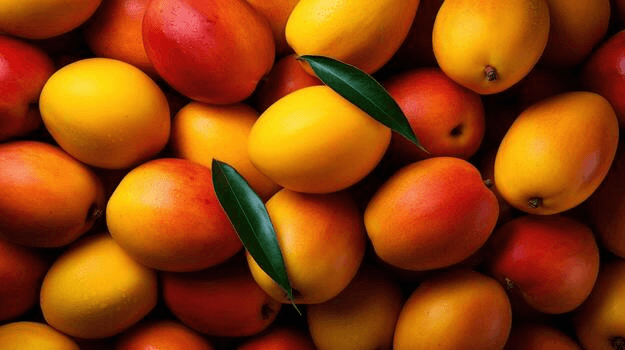
City of Mangoes in India
Author : adminPublished : October 21, 2026
Malda, in West Bengal, is widely known as the “Mango City of India” because of its rich mango-growing tradition, extensive orchards and famous varieties. The region produces mangoes such as Himsagar, Langra, Fazli and Lakshmanbhog, which are valued for their distinctive sweetness, aroma and texture.
Mango cultivation plays an important role in Malda’s agricultural economy and local identity. During summer, orchards and markets become especially active as farmers harvest their produce and traders distribute mangoes to different parts of India.
The mango industry also provides livelihoods for farmers, traders, transporters and workers involved in packaging and distribution. Malda’s mango varieties are an important part of West Bengal’s agricultural heritage, attracting attention from mango lovers across the country. The harvest season brings a special charm to the region, with fresh mangoes available in local markets. Along with its famous fruit, Malda is also known for its historical monuments and cultural heritage, making it an interesting destination for visitors.
Why Is Malda Known as the City of Mangoes?
Malda has earned its reputation through generations of mango cultivation and its wide variety of delicious fruits. Its fertile soil and favourable climate support extensive mango orchards, making the region an important centre for mango production.
- Rich Mango Production: Known for its extensive mango-growing areas.
- Favourable Climate: Supports the growth of different mango varieties.
- Traditional Cultivation: Farmers have preserved mango-growing practices across generations.
- Seasonal Markets: Mangoes attract farmers, traders and buyers during summer.
𝟭. 𝗠𝗮𝗹𝗱𝗮, 𝗪𝗲𝘀𝘁 𝗕𝗲𝗻𝗴𝗮𝗹 — 𝗧𝗵𝗲 𝗠𝗮𝗻𝗴𝗼 𝗛𝗲𝗮𝗿𝘁𝗹𝗮𝗻𝗱 𝗼𝗳 𝗕𝗲𝗻𝗴𝗮𝗹
Malda is renowned for its mango orchards and varieties such as Fazli, Himsagar and Lakshmanbhog. During summer, mangoes drive local trade and form an important part of everyday life. The district’s rich mango-growing heritage reflects Bengal’s agricultural traditions and the pride of its local growers.
𝗠𝗮𝗹𝗱𝗮 𝗦𝗽𝗲𝗰𝗶𝗮𝗹𝘀
- 𝗙𝗮𝘇𝗹𝗶: A large, juicy mango that is especially associated with Malda.
- 𝗛𝗶𝗺𝘀𝗮𝗴𝗮𝗿: Loved for its fragrant, sweet and fibreless flesh.
- 𝗟𝗮𝗸𝘀𝗵𝗺𝗮𝗻𝗯𝗵𝗼𝗴: A recognised regional variety with a sweet flavour.
- 𝗠𝗮𝗻𝗴𝗼 𝗧𝗿𝗮𝗱𝗶𝘁𝗶𝗼𝗻: Orchard farming and seasonal commerce are central to the district’s mango identity.
𝟮. 𝗥𝗮𝘁𝗻𝗮𝗴𝗶𝗿𝗶, 𝗠𝗮𝗵𝗮𝗿𝗮𝘀𝗵𝘁𝗿𝗮 — 𝗪𝗵𝗲𝗿𝗲 𝗔𝗹𝗽𝗵𝗼𝗻𝘀𝗼 𝗠𝗮𝗻𝗴𝗼𝗲𝘀 𝗦𝗵𝗶𝗻𝗲
Ratnagiri also makes a rewarding summer destination for travellers who want to combine mango tasting with coastal scenery. Beaches, historic forts, fishing villages and Konkan cuisine add to the experience, making the region more than just a stop for mango lovers.
𝗥𝗮𝘁𝗻𝗮𝗴𝗶𝗿𝗶 𝗦𝗽𝗲𝗰𝗶𝗮𝗹𝘀
- 𝗔𝗹𝗽𝗵𝗼𝗻𝘀𝗼 𝗠𝗮𝗻𝗴𝗼𝗲𝘀: Celebrated for their rich aroma and creamy pulp.
- 𝗛𝗮𝗽𝘂𝘀 𝗦𝗲𝗮𝘀𝗼𝗻: A favourite time for mango enthusiasts to explore local produce.
- 𝗞𝗼𝗻𝗸𝗮𝗻 𝗢𝗿𝗰𝗵𝗮𝗿𝗱𝘀: A chance to experience the region’s mango-growing landscape.
- 𝗖𝗼𝗮𝘀𝘁𝗮𝗹 𝗘𝘅𝗽𝗹𝗼𝗿𝗮𝘁𝗶𝗼𝗻: Pair mango tasting with beaches, forts and regional food.
𝟯. 𝗝𝘂𝗻𝗮𝗴𝗮𝗱𝗵, 𝗚𝘂𝗷𝗮𝗿𝗮𝘁 — 𝗧𝗵𝗲 𝗚𝗼𝗹𝗱𝗲𝗻 𝗪𝗼𝗿𝗹𝗱 𝗼𝗳 𝗞𝗲𝘀𝗮𝗿 𝗠𝗮𝗻𝗴𝗼𝗲𝘀

Junagadh and the surrounding Saurashtra region are closely associated with Kesar mangoes, known for their golden-orange pulp, sweet taste and distinctive fragrance. Mango cultivation is an important part of the region’s agricultural identity, and the arrival of the harvest brings fresh fruit to markets and kitchens across Gujarat.
Kesar mangoes are especially popular in traditional preparations such as aamras, often enjoyed with puri or as part of a summer meal. Junagadh also offers a blend of nature and heritage, with the historic city, the foothills of Girnar and access to the wider Saurashtra region making it an interesting destination for a seasonal trip.
𝗝𝘂𝗻𝗮𝗴𝗮𝗱𝗵 𝗦𝗽𝗲𝗰𝗶𝗮𝗹𝘀
- 𝗞𝗲𝘀𝗮𝗿 𝗠𝗮𝗻𝗴𝗼𝗲𝘀: Famous for their fragrant pulp and rich golden colour.
- 𝗔𝗮𝗺𝗿𝗮𝘀: A much-loved Gujarati summer delicacy made from mango pulp.
- 𝗢𝗿𝗰𝗵𝗮𝗿𝗱 𝗟𝗮𝗻𝗱𝘀𝗰𝗮𝗽𝗲𝘀: Discover mango-growing farms in the wider region.
- 𝗖𝘂𝗹𝘁𝘂𝗿𝗲 𝗮𝗻𝗱 𝗡𝗮𝘁𝘂𝗿𝗲: Combine seasonal food experiences with Junagadh’s heritage and nearby natural attractions.
𝟰. 𝗞𝗿𝗶𝘀𝗵𝗻𝗮𝗴𝗶𝗿𝗶, 𝗧𝗮𝗺𝗶𝗹 𝗡𝗮𝗱𝘂 — 𝗪𝗵𝗲𝗿𝗲 𝗠𝗮𝗻𝗴𝗼 𝗙𝗮𝗿𝗺𝗶𝗻𝗴 𝗠𝗲𝗲𝘁𝘀 𝗙𝗼𝗼𝗱 𝗣𝗿𝗼𝗰𝗲𝘀𝘀𝗶𝗻𝗴

Krishnagiri is an important mango-growing region in Tamil Nadu, with mango cultivation linked to both farming and food processing. The area is well known for Totapuri mangoes, which are widely used to produce pulp and other mango-based products. This connection between orchards and processing units makes the region significant beyond the fresh-fruit market.
𝗞𝗿𝗶𝘀𝗵𝗻𝗮𝗴𝗶𝗿𝗶 𝗦𝗽𝗲𝗰𝗶𝗮𝗹𝘀
- 𝗧𝗼𝘁𝗮𝗽𝘂𝗿𝗶 𝗠𝗮𝗻𝗴𝗼𝗲𝘀: An important variety for commercial processing.
- 𝗠𝗮𝗻𝗴𝗼 𝗣𝘂𝗹𝗽: A key ingredient in juices, drinks and food products.
- 𝗙𝗮𝗿𝗺𝗶𝗻𝗴 𝗟𝗶𝗳𝗲: Experience the agricultural landscape of a major mango-growing belt.
- 𝗙𝗿𝘂𝗶𝘁 𝗣𝗿𝗼𝗰𝗲𝘀𝘀𝗶𝗻𝗴: See how mango cultivation connects with food manufacturing and trade.
𝟱. 𝗖𝗵𝗶𝘁𝘁𝗼𝗼𝗿 𝗥𝗲𝗴𝗶𝗼𝗻, 𝗔𝗻𝗱𝗵𝗿𝗮 𝗣𝗿𝗮𝗱𝗲𝘀𝗵 — 𝗔 𝗥𝗲𝗴𝗶𝗼𝗻 𝗕𝘂𝗶𝗹𝘁 𝗔𝗿𝗼𝘂𝗻𝗱 𝗠𝗮𝗻𝗴𝗼𝗲𝘀

The Chittoor region of Andhra Pradesh is an important part of the state’s mango-growing and processing network. Varieties such as Totapuri and Banganapalli are associated with the wider Andhra mango trade, serving different markets and uses. Mango cultivation supports rural livelihoods, while collection, transport and processing connect local harvests with consumers and businesses.
𝗖𝗵𝗶𝘁𝘁𝗼𝗼𝗿 𝗦𝗽𝗲𝗰𝗶𝗮𝗹𝘀
- 𝗕𝗮𝗻𝗴𝗮𝗻𝗮𝗽𝗮𝗹𝗹𝗶: A well-known mango variety associated with Andhra Pradesh.
- 𝗧𝗼𝘁𝗮𝗽𝘂𝗿𝗶: Widely used in commercial mango processing.
- 𝗦𝗲𝗮𝘀𝗼𝗻𝗮𝗹 𝗧𝗿𝗮𝗱𝗲: Mango harvest supports farmers, traders and transport networks.
- 𝗔𝗴𝗿𝗶𝗰𝘂𝗹𝘁𝘂𝗿𝗮𝗹 𝗛𝗲𝗿𝗶𝘁𝗮𝗴𝗲: A glimpse into the journey from mango orchards to markets and processing units.
𝗤𝘂𝗶𝗰𝗸 𝗙𝗮𝗰𝘁𝘀 𝗔𝗯𝗼𝘂𝘁 𝗜𝗻𝗱𝗶𝗮’𝘀 𝗠𝗮𝗻𝗴𝗼 𝗛𝗲𝗿𝗶𝘁𝗮𝗴𝗲
- 𝗡𝗮𝘁𝗶𝗼𝗻𝗮𝗹 𝗙𝗿𝘂𝗶𝘁: Mango is the national fruit of India.
- 𝗥𝗲𝗴𝗶𝗼𝗻𝗮𝗹 𝗩𝗮𝗿𝗶𝗲𝘁𝗶𝗲𝘀: Indian mangoes differ in aroma, sweetness, texture, shape and size.
- 𝗥𝗲𝗴𝗶𝗼𝗻𝗮𝗹 𝗜𝗱𝗲𝗻𝘁𝗶𝘁𝘆: Many varieties are closely linked to their growing regions.
- 𝗘𝗰𝗼𝗻𝗼𝗺𝗶𝗰 𝗩𝗮𝗹𝘂𝗲: Mango cultivation supports farmers, seasonal traders and processing businesses.
- 𝗖𝘂𝗹𝗶𝗻𝗮𝗿𝘆 𝗩𝗲𝗿𝘀𝗮𝘁𝗶𝗹𝗶𝘁𝘆: Mangoes are enjoyed fresh and used in drinks, desserts, pickles and pulp.
- 𝗦𝘂𝗺𝗺𝗲𝗿 𝗧𝗿𝗮𝗱𝗶𝘁𝗶𝗼𝗻: Mango tasting and sharing are cherished parts of summer in many Indian households.
𝗕𝗲𝘀𝘁 𝗧𝗶𝗺𝗲 𝘁𝗼 𝗘𝘅𝗽𝗹𝗼𝗿𝗲 𝗜𝗻𝗱𝗶𝗮’𝘀 𝗠𝗮𝗻𝗴𝗼 𝗥𝗲𝗴𝗶𝗼𝗻𝘀
- 𝗔𝗽𝗿𝗶𝗹–𝗠𝗮𝘆: A good period to explore many mango-growing regions in western and southern India, depending on the variety and local harvest.
- 𝗠𝗮𝘆–𝗝𝘂𝗻𝗲: A popular period for seasonal mangoes, including Alphonso and Kesar, though availability varies.
- 𝗝𝘂𝗻𝗲–𝗝𝘂𝗹𝘆: Later-season varieties, including Malda’s famous Fazli, may be available.
- 𝗧𝗿𝗮𝘃𝗲𝗹 𝗧𝗶𝗽: Check local harvest dates before planning your visit, as weather conditions can shift the season.
𝗙𝗶𝗻𝗮𝗹 𝗧𝗵𝗼𝘂𝗴𝗵𝘁𝘀
India’s mango-growing regions offer a delicious way to explore the country’s agricultural traditions, regional flavours and summer culture. From Malda’s celebrated varieties to Ratnagiri’s Alphonso, Junagadh’s Kesar and the processing centres of Krishnagiri and Chittoor, each destination has its own mango story. Whether you love tasting fresh fruit, discovering local food or visiting rural landscapes, a mango-themed journey is a memorable way to experience India in summer.
Latest Post
 Snowfall Cities in India
10/22/2026
 City of Mangoes in India
10/21/2026
 Zero Waste Cities in India
10/20/2026
 Jain Temple City in India
10/19/2026

 The City of Skyscrapers in India
10/17/2026
 The City of Ghats in India
10/16/2026
 Private City in India
10/15/2026
 City of Culture in India
10/14/2026
 Silicon Valley City of India
10/13/2026
 Sponge Cities in India
10/12/2026
 Silent City in India
10/11/2026
 Romantic Cities in India
10/10/2026
 Sports Cities in India
10/9/2026
 French City in India
10/8/2026