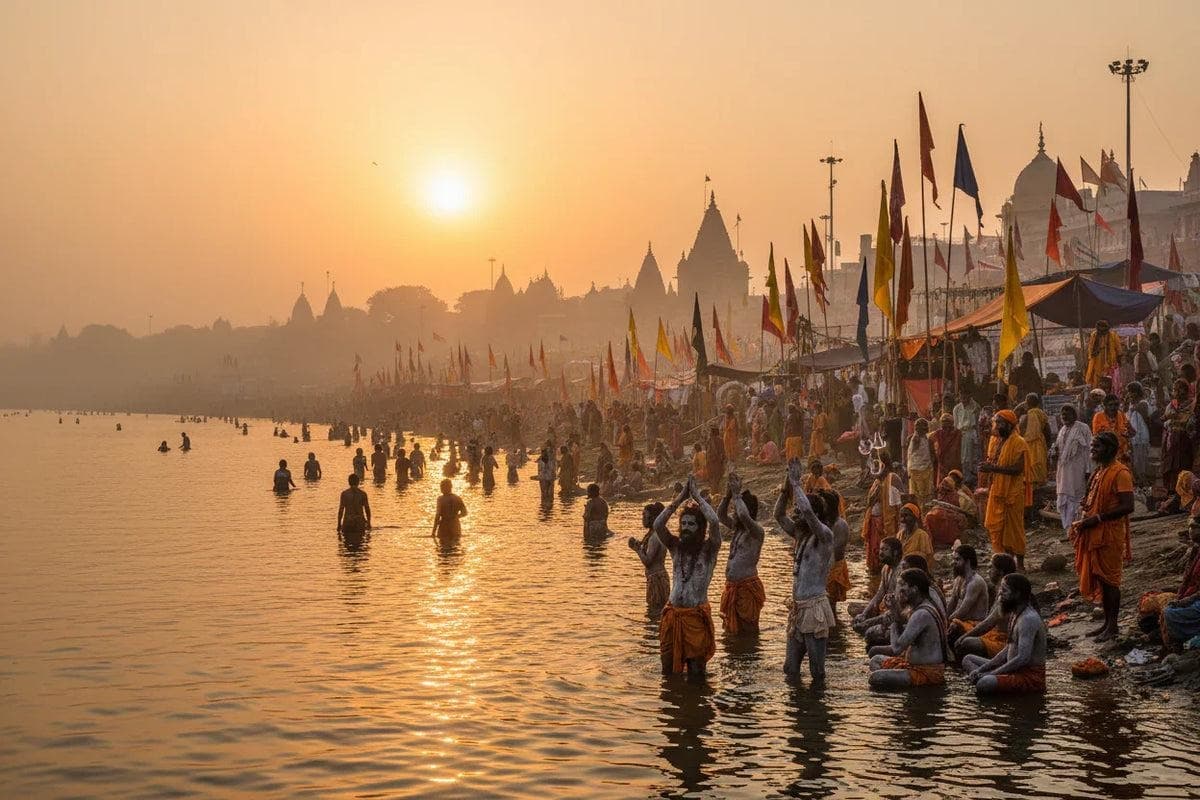
Kumbh City in India
Author : adminPublished : October 25, 2026
Prayagraj, located in Uttar Pradesh, is widely recognised as one of India’s most important spiritual destinations and the principal host city of the Maha Kumbh Mela. Situated at the sacred confluence of the Ganga, Yamuna and the traditionally revered Saraswati, the city attracts millions of pilgrims, saints and visitors seeking spiritual experiences. Its religious heritage, ancient temples, historic landmarks and vibrant cultural traditions make it a remarkable destination on India’s spiritual map.
The Kumbh Mela is one of the world’s largest religious gatherings, bringing together devotees, ascetics and visitors from across India and abroad. The event is especially known for ritual bathing at the Sangam, religious processions, spiritual discourses and the presence of different akharas. Beyond its religious significance, the festival showcases India’s living traditions, community organisation and cultural diversity.
Although Prayagraj is most closely associated with the Maha Kumbh, other Kumbh gatherings are held at Haridwar, Ujjain and Nashik according to traditional religious calendars. Together, these destinations form an important part of India’s pilgrimage heritage.
𝟭. 𝗣𝗿𝗮𝘆𝗮𝗴𝗿𝗮𝗷 — 𝗧𝗵𝗲 𝗦𝗮𝗰𝗿𝗲𝗱 𝗖𝗶𝘁𝘆 𝗼𝗳 𝗞𝘂𝗺𝗯𝗵

Prayagraj, formerly known as Allahabad, holds a special place in Hindu religious traditions. The city is famous for the Triveni Sangam, the sacred confluence of the Ganga and Yamuna rivers and the traditionally believed underground Saraswati River. This meeting point is regarded as a place of spiritual significance, where pilgrims gather to offer prayers, perform rituals and seek blessings.
The city’s association with the Kumbh Mela has made it a major pilgrimage destination. During the festival, temporary settlements, bathing areas, religious camps and public facilities transform the riverbanks into an enormous gathering place for devotees and spiritual leaders.
- 𝗧𝗿𝗶𝘃𝗲𝗻𝗶 𝗦𝗮𝗻𝗴𝗮𝗺: The sacred meeting point of the Ganga, Yamuna and traditionally revered Saraswati.
- 𝗦𝗽𝗶𝗿𝗶𝘁𝘂𝗮𝗹 𝗜𝗺𝗽𝗼𝗿𝘁𝗮𝗻𝗰𝗲: A major destination for Hindu pilgrimage and religious ceremonies.
- 𝗞𝘂𝗺𝗯𝗵 𝗠𝗲𝗹𝗮: The city hosts one of India’s most significant religious gatherings.
- 𝗣𝗶𝗹𝗴𝗿𝗶𝗺 𝗚𝗮𝘁𝗵𝗲𝗿𝗶𝗻𝗴𝘀: Devotees travel from across India and overseas.
- 𝗥𝗶𝘃𝗲𝗿 𝗥𝗶𝘁𝘂𝗮𝗹𝘀: Religious bathing, prayers and offerings form an important part of pilgrimage traditions.
- 𝗖𝘂𝗹𝘁𝘂𝗿𝗮𝗹 𝗛𝗲𝗿𝗶𝘁𝗮𝗴𝗲: The city combines spiritual traditions with a rich historical identity.
𝗕𝗲𝘀𝘁 𝗙𝗼𝗿: Spirituality • Pilgrimage • Riverfront Heritage • Religious Tourism
𝟮. 𝗠𝗮𝗵𝗮 𝗞𝘂𝗺𝗯𝗵 𝗠𝗲𝗹𝗮 — 𝗢𝗻𝗲 𝗼𝗳 𝘁𝗵𝗲 𝗪𝗼𝗿𝗹𝗱’𝘀 𝗟𝗮𝗿𝗴𝗲𝘀𝘁 𝗥𝗲𝗹𝗶𝗴𝗶𝗼𝘂𝘀 𝗚𝗮𝘁𝗵𝗲𝗿𝗶𝗻𝗴𝘀

The Maha Kumbh Mela is a major religious gathering associated with Prayagraj and its sacred Sangam. It brings together pilgrims, sadhus, religious teachers and visitors for prayers, ritual bathing, spiritual discussions and traditional ceremonies. The scale of the event makes it remarkable not only for its religious importance but also for the temporary infrastructure and coordination required to accommodate enormous crowds.
The most important bathing occasions are determined by the traditional Hindu calendar and astrological considerations. During these periods, pilgrims gather at designated riverbanks, while religious processions and ceremonies create a distinctive atmosphere of devotion. The 2025 Maha Kumbh in Prayagraj attracted extraordinary public attention and highlighted the city’s continuing importance in India’s spiritual life.
- 𝗥𝗲𝗹𝗶𝗴𝗶𝗼𝘂𝘀 𝗚𝗮𝘁𝗵𝗲𝗿𝗶𝗻𝗴: Brings together millions of devotees during major festival periods.
- 𝗦𝗮𝗰𝗿𝗲𝗱 𝗕𝗮𝘁𝗵𝗶𝗻𝗴: Pilgrims participate in ritual bathing at the Sangam.
- 𝗦𝗵𝗮𝗵𝗶 𝗦𝗻𝗮𝗻 𝗧𝗿𝗮𝗱𝗶𝘁𝗶𝗼𝗻: Ceremonial processions of ascetics are a prominent feature of Kumbh traditions; the terminology used for royal bathing has evolved in official descriptions.
- 𝗦𝗮𝗱𝗵𝘂𝘀 𝗮𝗻𝗱 𝗔𝗸𝗵𝗮𝗿𝗮𝘀: Religious orders gather for ceremonies and spiritual activities.
- 𝗧𝗲𝗺𝗽𝗼𝗿𝗮𝗿𝘆 𝗧𝗲𝗻𝘁 𝗖𝗶𝘁𝘆: Extensive camps and facilities are created to accommodate pilgrims.
- 𝗖𝘂𝗹𝘁𝘂𝗿𝗮𝗹 𝗘𝘅𝗽𝗲𝗿𝗶𝗲𝗻𝗰𝗲: Visitors encounter devotional music, religious discourses and traditional practices.
𝗕𝗲𝘀𝘁 𝗙𝗼𝗿: Religious Festivals • Spiritual Experiences • Indian Traditions • Cultural Photography
𝟯. 𝗧𝗿𝗶𝘃𝗲𝗻𝗶 𝗦𝗮𝗻𝗴𝗮𝗺 — 𝗧𝗵𝗲 𝗛𝗲𝗮𝗿𝘁 𝗼𝗳 𝗣𝗿𝗮𝘆𝗮𝗴𝗿𝗮𝗷

Triveni Sangam is the most celebrated sacred landmark in Prayagraj. It is traditionally described as the meeting point of three rivers: the Ganga, the Yamuna and the invisible Saraswati. The confluence is considered especially auspicious in Hindu traditions, and pilgrims visit throughout the year to perform religious ceremonies and offer prayers.
During the Kumbh Mela, the Sangam becomes the principal focus of devotional activity. Visitors may reach designated bathing areas by boat when conditions and local arrangements permit. The surrounding river landscape also offers a glimpse of the spiritual traditions that have shaped Prayagraj over centuries.
- 𝗦𝗮𝗰𝗿𝗲𝗱 𝗖𝗼𝗻𝗳𝗹𝘂𝗲𝗻𝗰𝗲: Revered as the meeting point of three sacred rivers.
- 𝗥𝗶𝘁𝘂𝗮𝗹 𝗕𝗮𝘁𝗵𝗶𝗻𝗴: Pilgrims bathe as part of religious observances.
- 𝗦𝗽𝗶𝗿𝗶𝘁𝘂𝗮𝗹 𝗕𝗲𝗹𝗶𝗲𝗳𝘀: Associated with purification, prayer and religious merit.
- 𝗕𝗼𝗮𝘁 𝗥𝗶𝗱𝗲𝘀: Available at suitable times, subject to local safety instructions.
- 𝗙𝗲𝘀𝘁𝗶𝘃𝗮𝗹 𝗖𝗲𝗻𝘁𝗿𝗲: Becomes the main focus of Kumbh bathing occasions.
- 𝗡𝗮𝘁𝘂𝗿𝗮𝗹 𝗕𝗲𝗮𝘂𝘁𝘆: Features broad river views and striking sunrise scenery.
𝗕𝗲𝘀𝘁 𝗙𝗼𝗿: Pilgrimage • River Views • Religious Rituals • Sunrise Photography
𝟰. 𝗔𝗸𝗵𝗮𝗿𝗮𝘀 𝗮𝗻𝗱 𝗦𝗮𝗱𝗵𝘂𝘀 — 𝗧𝗵𝗲 𝗦𝗽𝗶𝗿𝗶𝘁𝘂𝗮𝗹 𝗧𝗿𝗮𝗱𝗶𝘁𝗶𝗼𝗻𝘀 𝗼𝗳 𝗞𝘂𝗺𝗯𝗵

One of the most distinctive features of the Kumbh Mela is the gathering of sadhus, ascetics and religious orders known as akharas. These groups represent different spiritual traditions and lineages within Hinduism. Their participation includes ceremonial processions, prayer, meditation and discussions on religious teachings.
The presence of Naga sadhus, recognised for their traditional ascetic practices, attracts considerable interest from pilgrims and visitors. The akharas also demonstrate the diversity of India’s spiritual heritage, with each order preserving its own customs, practices and religious identity.
- 𝗔𝗸𝗵𝗮𝗿𝗮𝘀: Religious organisations that preserve particular spiritual traditions.
- 𝗡𝗮𝗴𝗮 𝗦𝗮𝗱𝗵𝘂𝘀: Ascetics known for distinctive traditional practices and ceremonial participation.
- 𝗥𝗲𝗹𝗶𝗴𝗶𝗼𝘂𝘀 𝗣𝗿𝗼𝗰𝗲𝘀𝘀𝗶𝗼𝗻𝘀: Important public events during major bathing occasions.
- 𝗦𝗽𝗶𝗿𝗶𝘁𝘂𝗮𝗹 𝗗𝗶𝘀𝗰𝗼𝘂𝗿𝘀𝗲𝘀: Opportunities to hear religious teachings and philosophical discussions.
- 𝗔𝘀𝗰𝗲𝘁𝗶𝗰 𝗧𝗿𝗮𝗱𝗶𝘁𝗶𝗼𝗻𝘀: Reflect disciplines centred on devotion, renunciation and spiritual practice.
- 𝗖𝘂𝗹𝘁𝘂𝗿𝗮𝗹 𝗦𝗶𝗴𝗻𝗶𝗳𝗶𝗰𝗮𝗻𝗰𝗲: Preserve customs passed down through generations.
𝗕𝗲𝘀𝘁 𝗙𝗼𝗿: Religious Traditions • Spiritual Learning • Cultural Heritage • Photography
𝟱. 𝗔𝗹𝗹𝗮𝗵𝗮𝗯𝗮𝗱 𝗙𝗼𝗿𝘁 𝗮𝗻𝗱 𝗔𝗸𝘀𝗵𝗮𝘆𝗮𝘃𝗮𝘁 — 𝗛𝗶𝘀𝘁𝗼𝗿𝘆 𝗮𝗻𝗱 𝗦𝗮𝗰𝗿𝗲𝗱 𝗛𝗲𝗿𝗶𝘁𝗮𝗴𝗲

Prayagraj is also known for its historical monuments and sacred sites. Allahabad Fort, built by Mughal emperor Akbar in the sixteenth century, stands near the confluence of the Ganga and Yamuna. The fort is an important reminder of the city’s strategic and administrative significance during the Mughal period. Access to parts of the fort is restricted because of its military use, so visitors should check current entry arrangements.
Akshayavat, the revered immortal banyan tree associated with local religious traditions, is another important part of Prayagraj’s spiritual heritage. The tree holds a special place in Hindu beliefs and is linked with stories of endurance and eternity. Together, these landmarks reflect the city’s blend of historical architecture, mythology and pilgrimage.
- 𝗔𝗹𝗹𝗮𝗵𝗮𝗯𝗮𝗱 𝗙𝗼𝗿𝘁: A major historic fort commissioned by Akbar.
- 𝗠𝘂𝗴𝗵𝗮𝗹 𝗛𝗲𝗿𝗶𝘁𝗮𝗴𝗲: Reflects the city’s importance during Mughal rule.
- 𝗥𝗶𝘃𝗲𝗿𝗳𝗿𝗼𝗻𝘁 𝗟𝗼𝗰𝗮𝘁𝗶𝗼𝗻: Situated close to the sacred river confluence.
- 𝗔𝗸𝘀𝗵𝗮𝘆𝗮𝘃𝗮𝘁: A revered banyan tree associated with Hindu religious traditions.
- 𝗠𝘆𝘁𝗵𝗼𝗹𝗼𝗴𝗶𝗰𝗮𝗹 𝗦𝗶𝗴𝗻𝗶𝗳𝗶𝗰𝗮𝗻𝗰𝗲: Sacred stories contribute to the city’s spiritual identity.
- 𝗛𝗲𝗿𝗶𝘁𝗮𝗴𝗲 𝗘𝘅𝗽𝗹𝗼𝗿𝗮𝘁𝗶𝗼𝗻: Offers insight into the historical layers of Prayagraj.
𝗕𝗲𝘀𝘁 𝗙𝗼𝗿: History • Architecture • Sacred Sites • Cultural Exploration
𝟲. 𝗛𝗮𝗻𝘂𝗺𝗮𝗻 𝗠𝗮𝗻𝗱𝗶𝗿 — 𝗧𝗵𝗲 𝗙𝗮𝗺𝗼𝘂𝘀 𝗟𝘆𝗶𝗻𝗴 𝗛𝗮𝗻𝘂𝗺𝗮𝗻 𝗧𝗲𝗺𝗽𝗹𝗲

Bade Hanuman Mandir, also known as the Lete Hanuman Ji Temple, is among Prayagraj’s best-known religious landmarks. Located close to the Sangam area, the temple is famous for its reclining image of Lord Hanuman. Devotees visit to offer prayers and seek blessings, particularly during religious festivals and the Kumbh Mela.
The temple becomes especially busy during major pilgrimage periods, when visitors combine their visit with prayers at the Sangam and other sacred sites. Its long-standing religious significance makes it an important stop for those wishing to understand the devotional traditions of Prayagraj.
- 𝗥𝗲𝗰𝗹𝗶𝗻𝗶𝗻𝗴 𝗛𝗮𝗻𝘂𝗺𝗮𝗻 𝗜𝗱𝗼𝗹: The temple’s most distinctive feature.
- 𝗣𝗿𝗼𝘅𝗶𝗺𝗶𝘁𝘆 𝘁𝗼 𝗦𝗮𝗻𝗴𝗮𝗺: Conveniently associated with the city’s principal pilgrimage area.
- 𝗗𝗲𝘃𝗼𝘁𝗶𝗼𝗻: Dedicated to Lord Hanuman, a symbol of courage and devotion.
- 𝗥𝗲𝗹𝗶𝗴𝗶𝗼𝘂𝘀 𝗙𝗲𝘀𝘁𝗶𝘃𝗮𝗹𝘀: Attracts devotees during Hanuman Jayanti and other observances.
- 𝗞𝘂𝗺𝗯𝗵 𝗩𝗶𝘀𝗶𝘁𝘀: Often included in local pilgrimage itineraries.
- 𝗟𝗶𝘃𝗶𝗻𝗴 𝗧𝗿𝗮𝗱𝗶𝘁𝗶𝗼𝗻𝘀: Reflects the continuing importance of temple worship in the city.
𝗕𝗲𝘀𝘁 𝗙𝗼𝗿: Temple Visits • Devotion • Religious Heritage • Pilgrimage
𝟳. 𝗣𝗿𝗮𝘆𝗮𝗴𝗿𝗮𝗷’𝘀 𝗖𝘂𝗹𝘁𝘂𝗿𝗲, 𝗙𝗼𝗼𝗱 𝗮𝗻𝗱 𝗟𝗼𝗰𝗮𝗹 𝗟𝗶𝗳𝗲

Beyond its religious importance, Prayagraj has a lively local culture shaped by traditional markets, regional cuisine, literature and education. The city has long been associated with Hindi and Urdu literary traditions and has played an important role in India’s political and intellectual history. During major festivals, this cultural character becomes especially visible through devotional music, religious gatherings and food stalls serving pilgrims.
Visitors can explore local markets, sample regional snacks and sweets, and experience the hospitality of a city accustomed to welcoming pilgrims. Its everyday life offers a broader perspective on Prayagraj beyond the Kumbh Mela.
𝗦𝗮𝗹𝗶𝗲𝗻𝘁 𝗣𝗼𝗶𝗻𝘁𝗲𝗿𝘀
- 𝗟𝗼𝗰𝗮𝗹 𝗖𝘂𝗶𝘀𝗶𝗻𝗲: Try kachori, samosa, jalebi and other regional favourites.
- 𝗧𝗿𝗮𝗱𝗶𝘁𝗶𝗼𝗻𝗮𝗹 𝗠𝗮𝗿𝗸𝗲𝘁𝘀: Explore shops selling sweets, textiles and everyday goods.
- 𝗟𝗶𝘁𝗲𝗿𝗮𝗿𝘆 𝗛𝗲𝗿𝗶𝘁𝗮𝗴𝗲: The city has connections with prominent Hindi and Urdu writers.
- 𝗗𝗲𝘃𝗼𝘁𝗶𝗼𝗻𝗮𝗹 𝗠𝘂𝘀𝗶𝗰: Religious songs and performances feature during festivals.
- 𝗘𝗱𝘂𝗰𝗮𝘁𝗶𝗼𝗻: Prayagraj is home to established educational institutions, including the University of Allahabad.
- 𝗟𝗼𝗰𝗮𝗹 𝗛𝗼𝘀𝗽𝗶𝘁𝗮𝗹𝗶𝘁𝘆: The city’s pilgrimage traditions shape its visitor services and community life.
𝗕𝗲𝘀𝘁 𝗙𝗼𝗿: Food • Shopping • Literature • Local Culture • City Exploration
𝗤𝘂𝗶𝗰𝗸 𝗙𝗮𝗰𝘁𝘀 𝗔𝗯𝗼𝘂𝘁 𝗞𝘂𝗺𝗯𝗵 𝗖𝗶𝘁𝘆 𝗶𝗻 𝗜𝗻𝗱𝗶𝗮

Prayagraj is a destination where spirituality, history and cultural traditions come together. These quick facts highlight why the city is so closely associated with the Kumbh Mela.
- 𝗟𝗼𝗰𝗮𝘁𝗶𝗼𝗻: Prayagraj is situated in Uttar Pradesh, northern India.
- 𝗙𝗼𝗿𝗺𝗲𝗿 𝗡𝗮𝗺𝗲: The city was formerly known as Allahabad.
- 𝗦𝗮𝗰𝗿𝗲𝗱 𝗦𝗶𝘁𝗲: Triveni Sangam is the city’s most famous pilgrimage landmark.
- 𝗞𝘂𝗺𝗯𝗵 𝗠𝗲𝗹𝗮: Prayagraj is one of the four traditional Kumbh pilgrimage locations.
- 𝗢𝘁𝗵𝗲𝗿 𝗞𝘂𝗺𝗯𝗵 𝗖𝗶𝘁𝗶𝗲𝘀: Haridwar, Ujjain and Nashik are the other traditional host cities.
- 𝗛𝗶𝘀𝘁𝗼𝗿𝗶𝗰 𝗟𝗮𝗻𝗱𝗺𝗮𝗿𝗸𝘀: Allahabad Fort and other heritage sites reflect the city’s history.
- 𝗥𝗲𝗹𝗶𝗴𝗶𝗼𝘂𝘀 𝗧𝗿𝗮𝗱𝗶𝘁𝗶𝗼𝗻𝘀: The city hosts rituals, spiritual discourses and gatherings of religious orders.
- 𝗠𝗮𝗷𝗼𝗿 𝗘𝘃𝗲𝗻𝘁: The Maha Kumbh Mela was held in Prayagraj in 2025.
𝗕𝗲𝘀𝘁 𝗧𝗶𝗺𝗲 𝘁𝗼 𝗩𝗶𝘀𝗶𝘁 𝗣𝗿𝗮𝘆𝗮𝗴𝗿𝗮𝗷
The best time to visit Prayagraj depends on whether you want to explore its historic attractions or experience a major religious gathering. The winter months are generally more comfortable for sightseeing, while Kumbh-related visits should be planned according to officially announced festival dates.
- 𝗢𝗰𝘁𝗼𝗯𝗲𝗿 𝘁𝗼 𝗡𝗼𝘃𝗲𝗺𝗯𝗲𝗿: Suitable for exploring temples, historical landmarks and local markets as the weather becomes cooler.
- 𝗗𝗲𝗰𝗲𝗺𝗯𝗲𝗿 𝘁𝗼 𝗙𝗲𝗯𝗿𝘂𝗮𝗿𝘆: Generally the most comfortable season for sightseeing and riverfront visits, although mornings can be foggy and cold.
- 𝗞𝘂𝗺𝗯𝗵 𝗙𝗲𝘀𝘁𝗶𝘃𝗮𝗹 𝗣𝗲𝗿𝗶𝗼𝗱: Check official announcements for future festival dates and important bathing days.
- 𝗦𝗽𝗶𝗿𝗶𝘁𝘂𝗮𝗹 𝗩𝗶𝘀𝗶𝘁𝘀: Plan time for Triveni Sangam, Bade Hanuman Mandir and other religious landmarks.
- 𝗛𝗶𝘀𝘁𝗼𝗿𝗶𝗰𝗮𝗹 𝗧𝗼𝘂𝗿𝘀: Visit the city’s heritage sites while allowing for access restrictions and local opening hours.
- 𝗠𝗼𝗻𝘀𝗼𝗼𝗻 𝗦𝗲𝗮𝘀𝗼𝗻: Heavy rainfall and changes in river levels can affect sightseeing and access to riverbanks.
- 𝗕𝗲𝗳𝗼𝗿𝗲 𝗬𝗼𝘂 𝗧𝗿𝗮𝘃𝗲𝗹: Confirm accommodation, transport, crowd-management rules and bathing arrangements, especially during major religious events.
𝗙𝗶𝗻𝗮𝗹 𝗧𝗵𝗼𝘂𝗴𝗵𝘁𝘀
Prayagraj, the famous Kumbh city of India, represents the enduring relationship between faith, culture and history. From the sacred waters of Triveni Sangam to the grand gatherings of the Maha Kumbh Mela, the city offers a remarkable view of India’s spiritual traditions. Its historic fort, revered temples, religious orders and vibrant local culture add further depth to its identity.
For pilgrims, Prayagraj is a place of devotion and reflection. For travellers, it offers an opportunity to explore India’s heritage and witness one of its most extraordinary religious gatherings. The city’s continuing importance demonstrates how ancient beliefs and living traditions remain an essential part of modern India.
Latest Post
 Kumbh City in India
10/25/2026
 The City of Seven Islands in India
10/24/2026
 Korean City of India
10/23/2026
 Snowfall Cities in India
10/22/2026
 City of Mangoes in India
10/21/2026
 Zero Waste Cities in India
10/20/2026
 Jain Temple City in India
10/19/2026

 The City of Skyscrapers in India
10/17/2026
 The City of Ghats in India
10/16/2026
 Private City in India
10/15/2026
 City of Culture in India
10/14/2026
 Silicon Valley City of India
10/13/2026
 Sponge Cities in India
10/12/2026
 Silent City in India
10/11/2026