𝗭𝗲𝗿𝗼 𝗪𝗮𝘀𝘁𝗲 𝗖𝗶𝘁𝗶𝗲𝘀 𝗶𝗻 𝗜𝗻𝗱𝗶𝗮
Author : adminPublished : October 20, 2026
India is gradually embracing sustainable urban living, with several cities introducing innovative ways to reduce waste, improve recycling and protect the environment. From Indore’s efficient waste collection system to Ambikapur’s women-led waste management model, these cities demonstrate how community participation and responsible planning can transform urban cleanliness.
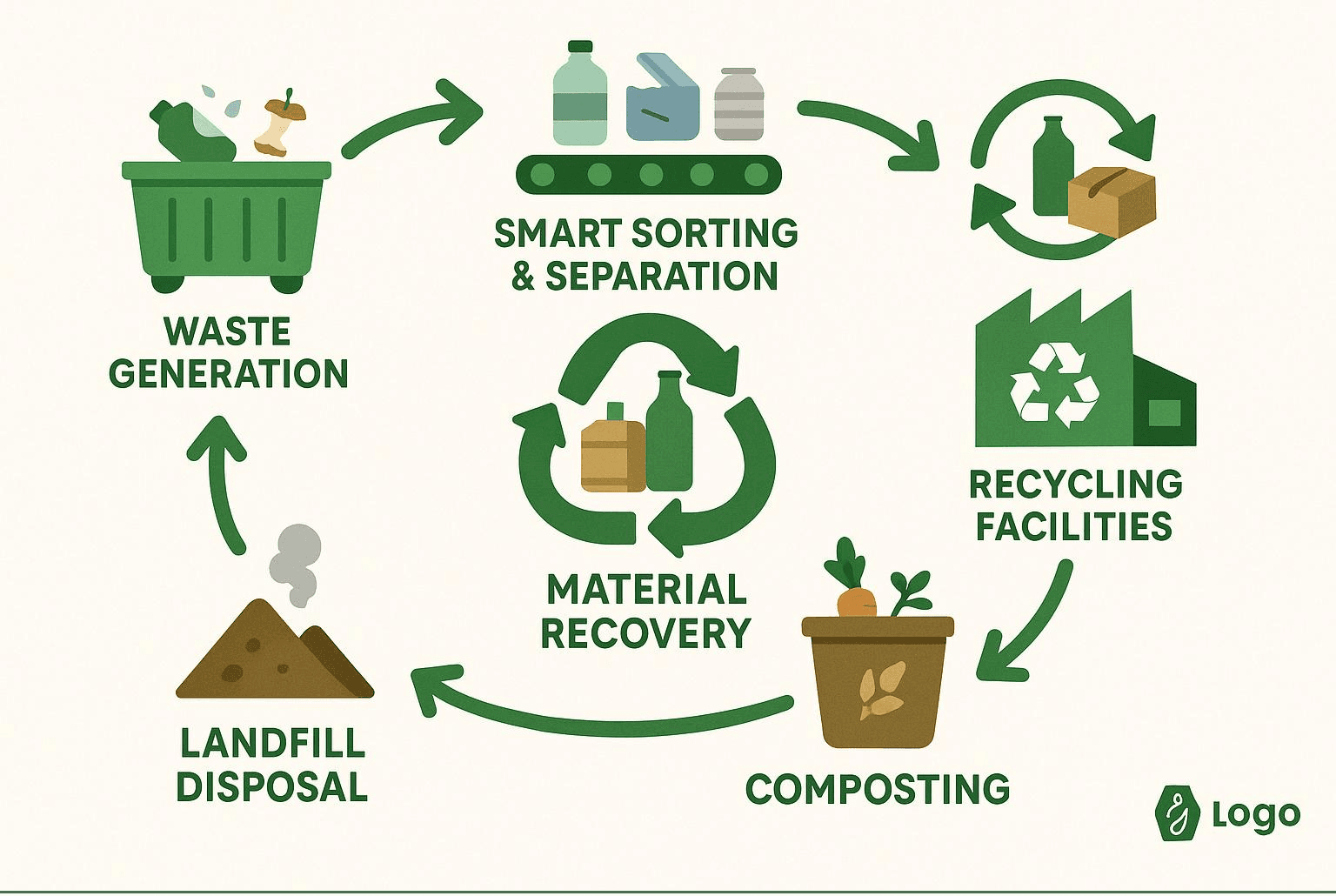
A zero-waste city aims to minimise the amount of waste sent to landfills by encouraging waste segregation, composting, recycling and reuse. Although no city is completely zero-waste, these Indian destinations offer inspiring examples of sustainable waste management and environmental responsibility.
𝟭. 𝗜𝗻𝗱𝗼𝗿𝗲 – 𝗜𝗻𝗱𝗶𝗮’𝘀 𝗖𝗹𝗲𝗮𝗻𝗹𝗶𝗻𝗲𝘀𝘀 𝗟𝗲𝗮𝗱𝗲𝗿

Indore, in Madhya Pradesh, is widely recognised for its organised municipal waste management and cleanliness initiatives. The city has developed a system that combines door-to-door waste collection, segregation at source and the processing of different waste streams. Public participation and regular monitoring have played important roles in maintaining cleaner neighbourhoods. Its experience demonstrates how consistent planning and civic cooperation can improve urban sanitation.
𝗛𝗶𝗴𝗵𝗹𝗶𝗴𝗵𝘁𝘀
- 𝗗𝗼𝗼𝗿-𝘁𝗼-𝗗𝗼𝗼𝗿 𝗖𝗼𝗹𝗹𝗲𝗰𝘁𝗶𝗼𝗻: Regular collection of household waste.
- 𝗪𝗮𝘀𝘁𝗲 𝗦𝗲𝗴𝗿𝗲𝗴𝗮𝘁𝗶𝗼𝗻: Separating wet and dry waste.
- 𝗖𝗼𝗺𝗽𝗼𝘀𝘁𝗶𝗻𝗴: Processing biodegradable waste.
- 𝗥𝗲𝗰𝘆𝗰𝗹𝗶𝗻𝗴: Recovering reusable materials.
- 𝗣𝘂𝗯𝗹𝗶𝗰 𝗣𝗮𝗿𝘁𝗶𝗰𝗶𝗽𝗮𝘁𝗶𝗼𝗻: Encouraging responsible disposal.
- 𝗨𝗿𝗯𝗮𝗻 𝗖𝗹𝗲𝗮𝗻𝗹𝗶𝗻𝗲𝘀𝘀: Maintaining cleaner streets and public spaces.
𝗕𝗲𝘀𝘁 𝗙𝗼𝗿: Sustainable Urban Management • Cleanliness Initiatives • Waste Segregation
𝟮. 𝗔𝗺𝗯𝗶𝗸𝗮𝗽𝘂𝗿 – 𝗔 𝗪𝗼𝗺𝗲𝗻-𝗟𝗲𝗱 𝗭𝗲𝗿𝗼-𝗪𝗮𝘀𝘁𝗲 𝗠𝗼𝗱𝗲𝗹

Ambikapur in Chhattisgarh has gained attention for its community-based waste management model, in which women’s self-help groups play a significant role. The city has focused on collecting and sorting waste, recovering recyclable materials and reducing dependence on dumping grounds. This approach also creates livelihood opportunities for local women. Ambikapur offers an example of how environmental action can support both community development and cleaner surroundings.
𝗛𝗶𝗴𝗵𝗹𝗶𝗴𝗵𝘁𝘀
- 𝗪𝗼𝗺𝗲𝗻-𝗟𝗲𝗱 𝗜𝗻𝗶𝘁𝗶𝗮𝘁𝗶𝘃𝗲𝘀: Local women participate in waste management.
- 𝗦𝗲𝗴𝗿𝗲𝗴𝗮𝘁𝗶𝗼𝗻 𝗖𝗲𝗻𝘁𝗿𝗲𝘀: Waste is sorted for further processing.
- 𝗠𝗮𝘁𝗲𝗿𝗶𝗮𝗹 𝗥𝗲𝗰𝗼𝘃𝗲𝗿𝘆: Recyclables are separated for reuse.
- 𝗟𝗶𝘃𝗲𝗹𝗶𝗵𝗼𝗼𝗱 𝗖𝗿𝗲𝗮𝘁𝗶𝗼𝗻: Waste management supports local employment.
- 𝗖𝗼𝗺𝗺𝘂𝗻𝗶𝘁𝘆 𝗣𝗮𝗿𝘁𝗶𝗰𝗶𝗽𝗮𝘁𝗶𝗼𝗻: Residents contribute to cleaner neighbourhoods.
- 𝗟𝗮𝗻𝗱𝗳𝗶𝗹𝗹 𝗥𝗲𝗱𝘂𝗰𝘁𝗶𝗼𝗻: Recovering useful materials helps reduce dumping.
𝗕𝗲𝘀𝘁 𝗙𝗼𝗿: Community Development • Women’s Empowerment • Waste Recovery
𝟯. 𝗔𝗹𝗮𝗽𝗽𝘂𝘇𝗵𝗮 – 𝗔 𝗖𝗼𝗺𝗺𝘂𝗻𝗶𝘁𝘆-𝗗𝗿𝗶𝘃𝗲𝗻 𝗪𝗮𝘀𝘁𝗲 𝗠𝗮𝗻𝗮𝗴𝗲𝗺𝗲𝗻𝘁 𝗠𝗼𝗱𝗲𝗹

Alappuzha in Kerala is known for its canals, backwaters and efforts to promote decentralised waste management. Instead of relying entirely on transporting mixed waste to distant dumping sites, initiatives have encouraged households to manage biodegradable waste locally through composting and biogas systems. Community awareness and local participation are important parts of this approach. The model highlights the value of treating waste as a resource rather than simply discarding it.
𝗛𝗶𝗴𝗵𝗹𝗶𝗴𝗵𝘁𝘀
- 𝗛𝗼𝗺𝗲 𝗖𝗼𝗺𝗽𝗼𝘀𝘁𝗶𝗻𝗴: Households can process kitchen waste locally.
- 𝗕𝗶𝗼𝗴𝗮𝘀 𝗦𝘆𝘀𝘁𝗲𝗺𝘀: Organic waste can be converted into useful energy.
- 𝗗𝗲𝗰𝗲𝗻𝘁𝗿𝗮𝗹𝗶𝘀𝗲𝗱 𝗠𝗮𝗻𝗮𝗴𝗲𝗺𝗲𝗻𝘁: Waste is treated closer to where it is produced.
- 𝗖𝗮𝗻𝗮𝗹 𝗣𝗿𝗼𝘁𝗲𝗰𝘁𝗶𝗼𝗻: Better disposal practices help protect waterways.
- 𝗟𝗼𝗰𝗮𝗹 𝗣𝗮𝗿𝘁𝗶𝗰𝗶𝗽𝗮𝘁𝗶𝗼𝗻: Residents support sustainable practices.
- 𝗥𝗲𝘀𝗼𝘂𝗿𝗰𝗲 𝗥𝗲𝗰𝗼𝘃𝗲𝗿𝘆: Organic waste becomes compost or biogas.
𝗕𝗲𝘀𝘁 𝗙𝗼𝗿: Eco-Friendly Living • Backwaters • Community Sustainability
𝟰. 𝗣𝗮𝗻𝗮𝗷𝗶 – 𝗠𝗼𝘃𝗶𝗻𝗴 𝗧𝗼𝘄𝗮𝗿𝗱 𝗥𝗲𝘀𝗽𝗼𝗻𝘀𝗶𝗯𝗹𝗲 𝗪𝗮𝘀𝘁𝗲 𝗗𝗶𝘀𝗽𝗼𝘀𝗮𝗹

Panaji, the capital of Goa, combines heritage streets, busy markets and a popular tourism economy. Managing waste is especially important because litter and poorly disposed rubbish can affect the city’s public spaces and surrounding waterways. Waste segregation, collection systems and awareness campaigns help encourage more responsible disposal. Continued efforts to reduce single-use plastics and improve recycling can further strengthen Panaji’s sustainability goals.
𝗛𝗶𝗴𝗵𝗹𝗶𝗴𝗵𝘁𝘀
- 𝗦𝗼𝘂𝗿𝗰𝗲 𝗦𝗲𝗴𝗿𝗲𝗴𝗮𝘁𝗶𝗼𝗻: Separating waste before collection.
- 𝗥𝗲𝗰𝘆𝗰𝗹𝗶𝗻𝗴 𝗘𝗳𝗳𝗼𝗿𝘁𝘀: Recovering materials that can be reused.
- 𝗧𝗼𝘂𝗿𝗶𝘀𝗺 𝗔𝘄𝗮𝗿𝗲𝗻𝗲𝘀𝘀: Encouraging visitors to dispose of waste responsibly.
- 𝗣𝗹𝗮𝘀𝘁𝗶𝗰 𝗥𝗲𝗱𝘂𝗰𝘁𝗶𝗼𝗻: Promoting alternatives to disposable plastics.
- 𝗣𝘂𝗯𝗹𝗶𝗰 𝗦𝗽𝗮𝗰𝗲𝘀: Keeping markets and streets cleaner.
- 𝗖𝗶𝘃𝗶𝗰 𝗣𝗮𝗿𝘁𝗶𝗰𝗶𝗽𝗮𝘁𝗶𝗼𝗻: Supporting responsible waste habits.
𝗕𝗲𝘀𝘁 𝗙𝗼𝗿: Responsible Tourism • Coastal Sustainability • Clean Public Spaces
𝟱. 𝗠𝘆𝘀𝘂𝗿𝘂 – 𝗕𝗮𝗹𝗮𝗻𝗰𝗶𝗻𝗴 𝗖𝗹𝗲𝗮𝗻𝗹𝗶𝗻𝗲𝘀𝘀 𝗮𝗻𝗱 𝗦𝘂𝘀𝘁𝗮𝗶𝗻𝗮𝗯𝗶𝗹𝗶𝘁𝘆

Mysuru in Karnataka is known for its heritage architecture, gardens and reputation for urban cleanliness. Effective waste collection and public awareness are important to managing waste from homes, markets and tourist areas. Segregating biodegradable waste from recyclables makes composting and material recovery easier. Continued citizen participation can help Mysuru reduce landfill pressure and protect its attractive urban environment.
𝗛𝗶𝗴𝗵𝗹𝗶𝗴𝗵𝘁𝘀
- 𝗪𝗮𝘀𝘁𝗲 𝗖𝗼𝗹𝗹𝗲𝗰𝘁𝗶𝗼𝗻: Organised collection supports cleaner neighbourhoods.
- 𝗢𝗿𝗴𝗮𝗻𝗶𝗰 𝗪𝗮𝘀𝘁𝗲: Biodegradable material can be composted.
- 𝗠𝗮𝘁𝗲𝗿𝗶𝗮𝗹 𝗥𝗲𝗰𝗼𝘃𝗲𝗿𝘆: Recyclables can be separated for processing.
- 𝗣𝘂𝗯𝗹𝗶𝗰 𝗔𝘄𝗮𝗿𝗲𝗻𝗲𝘀𝘀: Residents are encouraged to follow good disposal practices.
- 𝗧𝗼𝘂𝗿𝗶𝘀𝘁 𝗔𝗿𝗲𝗮𝘀: Clean surroundings improve the visitor experience.
- 𝗚𝗿𝗲𝗲𝗻 𝗟𝗶𝘃𝗶𝗻𝗴: Responsible waste habits support a healthier city.
𝗕𝗲𝘀𝘁 𝗙𝗼𝗿: Heritage Tourism • Green Spaces • Clean Urban Living
𝟲. 𝗣𝘂𝗻𝗲 – 𝗪𝗮𝘀𝘁𝗲 𝗣𝗶𝗰𝗸𝗲𝗿𝘀 𝗮𝗻𝗱 𝗥𝗲𝗰𝘆𝗰𝗹𝗶𝗻𝗴

Pune in Maharashtra has developed notable approaches to waste collection and recycling, including the involvement of waste pickers and community organisations. Door-to-door collection and the sorting of dry waste can help valuable materials enter recycling streams rather than being dumped. Integrating waste workers into formal systems also recognises their contribution to the urban economy. Pune’s experience shows why recycling works best when supported by residents, local organisations and municipal services.
𝗛𝗶𝗴𝗵𝗹𝗶𝗴𝗵𝘁𝘀
- 𝗗𝗼𝗼𝗿-𝘁𝗼-𝗗𝗼𝗼𝗿 𝗦𝗲𝗿𝘃𝗶𝗰𝗲𝘀: Supporting regular household waste collection.
- 𝗪𝗮𝘀𝘁𝗲 𝗣𝗶𝗰𝗸𝗲𝗿𝘀: Recognising workers who recover reusable materials.
- 𝗗𝗿𝘆 𝗪𝗮𝘀𝘁𝗲 𝗦𝗼𝗿𝘁𝗶𝗻𝗴: Separating paper, metal, plastic and other recyclables.
- 𝗥𝗲𝗰𝘆𝗰𝗹𝗶𝗻𝗴: Diverting recoverable materials from disposal sites.
- 𝗖𝗶𝘁𝗶𝘇𝗲𝗻 𝗖𝗼𝗼𝗽𝗲𝗿𝗮𝘁𝗶𝗼𝗻: Encouraging households to segregate waste.
- 𝗜𝗻𝗰𝗹𝘂𝘀𝗶𝘃𝗲 𝗦𝘆𝘀𝘁𝗲𝗺𝘀: Connecting environmental goals with livelihoods.
𝗕𝗲𝘀𝘁 𝗙𝗼𝗿: Recycling • Community Initiatives • Sustainable Urban Development
𝟳. 𝗦𝘂𝗿𝗮𝘁 – 𝗔𝗱𝘃𝗮𝗻𝗰𝗶𝗻𝗴 𝗨𝗿𝗯𝗮𝗻 𝗪𝗮𝘀𝘁𝗲 𝗣𝗿𝗼𝗰𝗲𝘀𝘀𝗶𝗻𝗴

Surat in Gujarat is a major commercial and industrial centre where efficient waste management is essential for a growing population. The city’s municipal services focus on collection, sanitation and the processing of solid waste. Better segregation can improve recycling and make the treatment of organic waste more effective. Surat’s experience highlights the importance of maintaining reliable civic services as cities expand.
𝗛𝗶𝗴𝗵𝗹𝗶𝗴𝗵𝘁𝘀
- 𝗦𝗼𝗹𝗶𝗱 𝗪𝗮𝘀𝘁𝗲 𝗖𝗼𝗹𝗹𝗲𝗰𝘁𝗶𝗼𝗻: Moving waste from neighbourhoods to appropriate facilities.
- 𝗪𝗮𝘀𝘁𝗲 𝗣𝗿𝗼𝗰𝗲𝘀𝘀𝗶𝗻𝗴: Treating collected waste through suitable methods.
- 𝗥𝗲𝗰𝘆𝗰𝗹𝗶𝗻𝗴: Recovering useful materials.
- 𝗦𝗮𝗻𝗶𝘁𝗮𝘁𝗶𝗼𝗻: Maintaining cleaner streets and public areas.
- 𝗖𝗶𝘁𝘆 𝗚𝗿𝗼𝘄𝘁𝗵: Supporting waste services in expanding urban areas.
- 𝗖𝗶𝘃𝗶𝗰 𝗥𝗲𝘀𝗽𝗼𝗻𝘀𝗶𝗯𝗶𝗹𝗶𝘁𝘆: Encouraging residents to dispose of waste properly.
𝗕𝗲𝘀𝘁 𝗙𝗼𝗿: Urban Infrastructure • Cleanliness • Waste Processing
𝟴. 𝗚𝗮𝗻𝗴𝘁𝗼𝗸 – 𝗣𝗿𝗼𝗺𝗼𝘁𝗶𝗻𝗴 𝗥𝗲𝘀𝗽𝗼𝗻𝘀𝗶𝗯𝗹𝗲 𝗪𝗮𝘀𝘁𝗲 𝗛𝗮𝗯𝗶𝘁𝘀

Gangtok, the capital of Sikkim, is surrounded by Himalayan landscapes that make environmental protection especially important. Waste management challenges include tourism-related rubbish, plastic packaging and the need to protect mountain ecosystems. Cleanliness drives, public awareness and responsible disposal can help reduce litter in streets and natural areas. The city’s sustainability efforts are a reminder that protecting scenic destinations requires cooperation from residents, businesses and visitors.
𝗛𝗶𝗴𝗵𝗹𝗶𝗴𝗵𝘁𝘀
- 𝗣𝗹𝗮𝘀𝘁𝗶𝗰 𝗔𝘄𝗮𝗿𝗲𝗻𝗲𝘀𝘀: Encouraging alternatives to disposable plastics.
- 𝗖𝗹𝗲𝗮𝗻𝗹𝗶𝗻𝗲𝘀𝘀 𝗗𝗿𝗶𝘃𝗲𝘀: Supporting cleaner roads and public areas.
- 𝗧𝗼𝘂𝗿𝗶𝘀𝘁 𝗥𝗲𝘀𝗽𝗼𝗻𝘀𝗶𝗯𝗶𝗹𝗶𝘁𝘆: Promoting responsible disposal among visitors.
- 𝗠𝗼𝘂𝗻𝘁𝗮𝗶𝗻 𝗣𝗿𝗼𝘁𝗲𝗰𝘁𝗶𝗼𝗻: Reducing litter that could harm local ecosystems.
- 𝗖𝗶𝘁𝗶𝘇𝗲𝗻 𝗔𝘄𝗮𝗿𝗲𝗻𝗲𝘀𝘀: Building better waste habits.
- 𝗘𝗰𝗼-𝗧𝗼𝘂𝗿𝗶𝘀𝗺: Supporting cleaner travel destinations.
𝗕𝗲𝘀𝘁 𝗙𝗼𝗿: Mountain Tourism • Environmental Awareness • Sustainable Travel
𝟵. 𝗕𝗵𝗼𝗽𝗮𝗹 – 𝗕𝘂𝗶𝗹𝗱𝗶𝗻𝗴 𝗕𝗲𝘁𝘁𝗲𝗿 𝗪𝗮𝘀𝘁𝗲 𝗠𝗮𝗻𝗮𝗴𝗲𝗺𝗲𝗻𝘁

Bhopal, the capital of Madhya Pradesh, combines lakes, green spaces and expanding urban neighbourhoods. Managing household and commercial waste is important for protecting the city’s surroundings and maintaining public hygiene. Segregation, recycling and the appropriate processing of collected waste can help reduce the amount sent to disposal sites. Continued public participation is essential to making these systems more effective.
𝗛𝗶𝗴𝗵𝗹𝗶𝗴𝗵𝘁𝘀
- 𝗪𝗮𝘀𝘁𝗲 𝗖𝗼𝗹𝗹𝗲𝗰𝘁𝗶𝗼𝗻: Supporting regular collection across neighbourhoods.
- 𝗦𝗼𝘂𝗿𝗰𝗲 𝗦𝗲𝗴𝗿𝗲𝗴𝗮𝘁𝗶𝗼𝗻: Separating waste into appropriate categories.
- 𝗥𝗲𝗰𝘆𝗰𝗹𝗶𝗻𝗴: Recovering materials for reuse.
- 𝗢𝗿𝗴𝗮𝗻𝗶𝗰 𝗪𝗮𝘀𝘁𝗲: Encouraging composting where suitable.
- 𝗣𝘂𝗯𝗹𝗶𝗰 𝗖𝗹𝗲𝗮𝗻𝗹𝗶𝗻𝗲𝘀𝘀: Helping maintain hygienic public areas.
- 𝗟𝗮𝗸𝗲 𝗣𝗿𝗼𝘁𝗲𝗰𝘁𝗶𝗼𝗻: Preventing waste from reaching waterways.
𝗕𝗲𝘀𝘁 𝗙𝗼𝗿: Lakes • Green Spaces • Responsible City Living
𝟭𝟬. 𝗕𝗲𝗻𝗴𝗮𝗹𝘂𝗿𝘂 – 𝗦𝗺𝗮𝗿𝘁𝗲𝗿 𝗪𝗮𝘀𝘁𝗲 𝗦𝗼𝗹𝘂𝘁𝗶𝗼𝗻𝘀

Bengaluru, Karnataka’s technology hub, faces significant waste management demands because of its large population and commercial activity. Community groups, waste workers and recycling initiatives play roles in improving the collection and recovery of materials. Composting, dry-waste sorting and better household segregation can help reduce the pressure on landfills. The city’s experience shows that technology and community action must work together to improve waste management.
𝗛𝗶𝗴𝗵𝗹𝗶𝗴𝗵𝘁𝘀
- 𝗧𝗲𝗰𝗵𝗻𝗼𝗹𝗼𝗴𝘆: Digital tools can support waste monitoring and services.
- 𝗗𝗿𝘆 𝗪𝗮𝘀𝘁𝗲 𝗖𝗲𝗻𝘁𝗿𝗲𝘀: Helping sort materials for recycling.
- 𝗖𝗼𝗺𝗽𝗼𝘀𝘁𝗶𝗻𝗴: Processing biodegradable household waste.
- 𝗖𝗶𝘁𝗶𝘇𝗲𝗻 𝗚𝗿𝗼𝘂𝗽𝘀: Encouraging community-led initiatives.
- 𝗥𝗲𝗰𝘆𝗰𝗹𝗶𝗻𝗴 𝗡𝗲𝘁𝘄𝗼𝗿𝗸𝘀: Supporting material recovery.
- 𝗦𝗺𝗮𝗿𝘁 𝗨𝗿𝗯𝗮𝗻 𝗟𝗶𝘃𝗶𝗻𝗴: Promoting more responsible resource use.
𝗕𝗲𝘀𝘁 𝗙𝗼𝗿: Technology • Recycling • Sustainable Urban Innovation
𝗪𝗵𝗮𝘁 𝗠𝗮𝗸𝗲𝘀 𝗮 𝗖𝗶𝘁𝘆 𝗭𝗲𝗿𝗼 𝗪𝗮𝘀𝘁𝗲?


A zero-waste approach focuses on preventing waste, keeping useful materials in circulation and minimising the amount sent to landfills. It requires reliable collection systems, suitable processing facilities, supportive policies and active participation from residents and businesses. No single action is enough; progress comes from combining everyday habits with well-planned city services.
𝗞𝗲𝘆 𝗣𝗿𝗶𝗻𝗰𝗶𝗽𝗹𝗲𝘀
- 𝗥𝗲𝗱𝘂𝗰𝗲: Avoid unnecessary consumption and packaging.
- 𝗥𝗲𝘂𝘀𝗲: Give products a longer useful life.
- 𝗥𝗲𝗽𝗮𝗶𝗿: Fix items instead of discarding them.
- 𝗦𝗲𝗴𝗿𝗲𝗴𝗮𝘁𝗲: Separate waste before disposal.
- 𝗥𝗲𝗰𝘆𝗰𝗹𝗲: Recover materials that can be processed again.
- 𝗖𝗼𝗺𝗽𝗼𝘀𝘁: Turn suitable organic waste into a useful soil amendment.
𝗛𝗼𝘄 𝗖𝗶𝘁𝗶𝘇𝗲𝗻𝘀 𝗖𝗮𝗻 𝗛𝗲𝗹𝗽

Residents play a crucial role in making waste management systems work. Small daily choices can reduce rubbish, improve recycling quality and prevent pollution. When households, shops, offices and local authorities work together, sustainable practices become easier to maintain across the city.
𝗘𝗮𝘀𝘆 𝗘𝘃𝗲𝗿𝘆𝗱𝗮𝘆 𝗔𝗰𝘁𝗶𝗼𝗻𝘀
- 𝗦𝗲𝗽𝗮𝗿𝗮𝘁𝗲 𝗪𝗮𝘀𝘁𝗲: Keep wet, dry and household hazardous waste apart according to local rules.
- 𝗖𝗮𝗿𝗿𝘆 𝗥𝗲𝘂𝘀𝗮𝗯𝗹𝗲 𝗕𝗮𝗴𝘀: Reduce reliance on disposable bags.
- 𝗔𝘃𝗼𝗶𝗱 𝗙𝗼𝗼𝗱 𝗪𝗮𝘀𝘁𝗲: Plan meals and store food properly.
- 𝗖𝗼𝗺𝗽𝗼𝘀𝘁 𝗞𝗶𝘁𝗰𝗵𝗲𝗻 𝗦𝗰𝗿𝗮𝗽𝘀: Compost suitable organic waste where possible.
- 𝗥𝗲𝘂𝘀𝗲 𝗮𝗻𝗱 𝗥𝗲𝗽𝗮𝗶𝗿: Choose reuse over unnecessary replacement.
- 𝗙𝗼𝗹𝗹𝗼𝘄 𝗟𝗼𝗰𝗮𝗹 𝗥𝘂𝗹𝗲𝘀: Use authorised collection and recycling services.
𝗙𝗶𝗻𝗮𝗹 𝗧𝗵𝗼𝘂𝗴𝗵𝘁𝘀
India’s journey towards zero waste is built on practical solutions, community participation and responsible resource use. Cities such as Indore, Ambikapur and Alappuzha offer valuable lessons in collection, segregation, recycling and decentralised waste management. While each city faces different challenges, the goal remains the same: reduce waste, recover useful materials and protect the environment. Lasting progress depends on cooperation between local authorities, businesses and citizens.
Latest Post
 𝗭𝗲𝗿𝗼 𝗪𝗮𝘀𝘁𝗲 𝗖𝗶𝘁𝗶𝗲𝘀 𝗶𝗻 𝗜𝗻𝗱𝗶𝗮
10/20/2026
 Jain Temple City in India
10/19/2026

 The City of Skyscrapers in India
10/17/2026
 The City of Ghats in India
10/16/2026
 Private City in India
10/15/2026
 City of Culture in India
10/14/2026
 Silicon Valley City of India
10/13/2026
 Sponge Cities in India
10/12/2026
 Silent City in India
10/11/2026
 Romantic Cities in India
10/10/2026
 Sports Cities in India
10/9/2026
 French City in India
10/8/2026
 City of Mountains in India
10/7/2026
 French City in India
10/6/2026